lifestyle
Best Areas to Live in Hong Kong 2026: District Guide
Explore Hong Kong's top neighbourhoods by district. Compare rental costs, lifestyle factors, and commute times for expats and locals seeking the right fit.
How we reported this
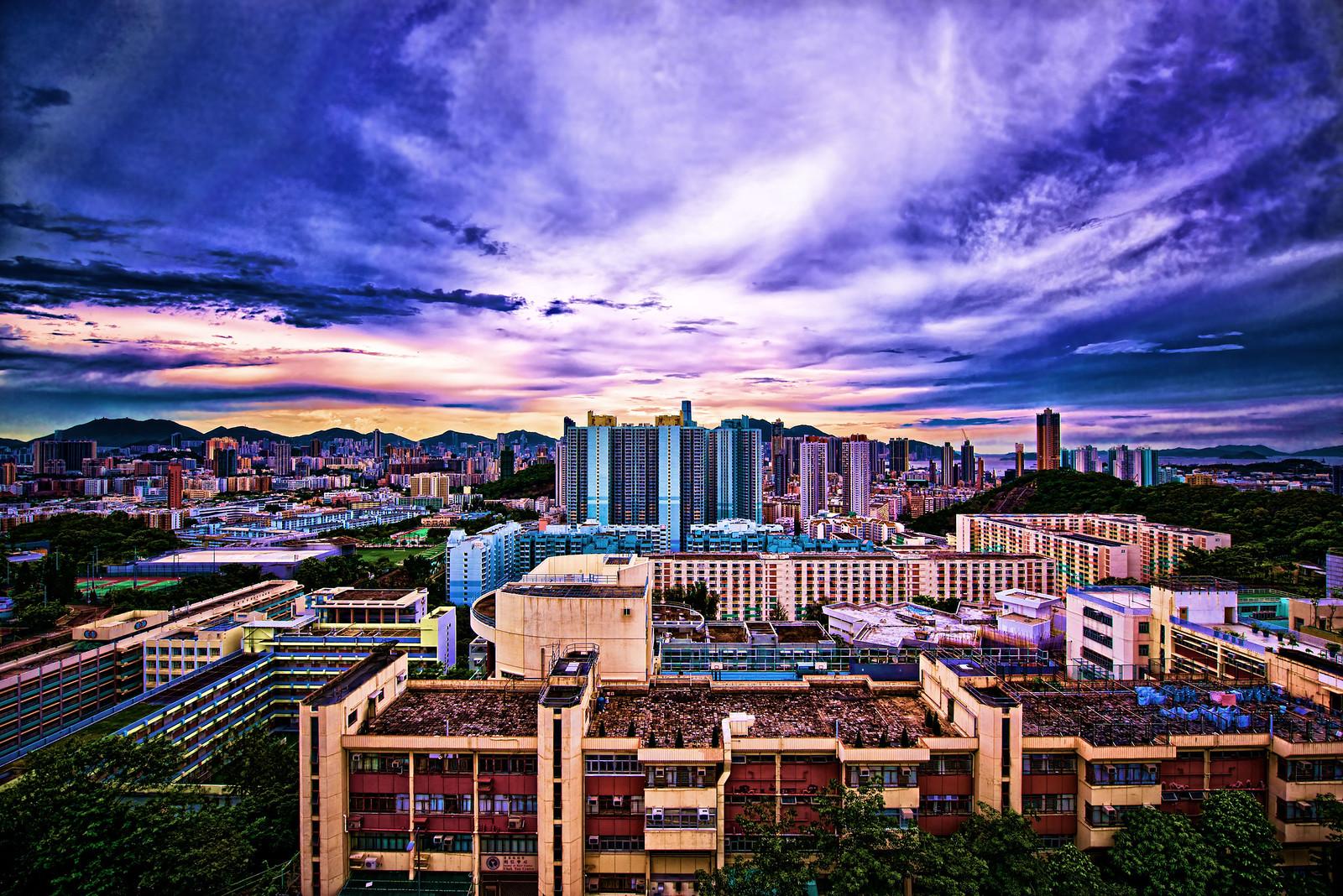
Hong Kong ranked as the second most expensive city in the world in 2025, and rental costs have shown little sign of easing as at early 2026. Choosing where to live here is not simply a matter of budget. It is a question of lifestyle, commute tolerance, family needs and how much green space you require to stay sane in one of the planet's densest metropolises.
This district-by-district guide covers the neighbourhoods most popular with locals and expatriates alike, with indicative rental ranges drawn from current market listings.
Hong Kong Island
Central and Admiralty
Central is the undisputed financial heart of the city. If your office sits among the towers of IFC or Exchange Square, living within walking distance has obvious appeal. Expect to pay HK$40,000 to HK$80,000 per month for a two- to three-bedroom apartment, though studio and one-bedroom units can be found from around HK$20,000. The trade-off is noise, limited green space and streets that empty after dark once the office crowd disperses. Admiralty, immediately to the east, offers marginally quieter living with excellent MTR connectivity.
Mid-Levels
Perched above Central and connected by the famous Central-Mid-Levels Escalator, Mid-Levels commands panoramic harbour views from upscale residential towers. The area is prestigious, popular with senior professionals and well served by international supermarkets and private clubs. Rents sit at the upper end of the market, often exceeding HK$50,000 per month for a two-bedroom flat. Singles and young couples gravitate here for the combination of nightlife proximity and relative calm once you step off the escalator.
Wan Chai and Causeway Bay
These two adjoining districts blend old-world charm with modern energy. Wan Chai's wet markets and dai pai dong stalls sit alongside craft cocktail bars, while Causeway Bay delivers some of the best shopping in Asia. Rental budgets of HK$25,000 to HK$60,000 per month will secure a one- to two-bedroom apartment. Public transport links are superb, with multiple MTR stations and tram access running the length of the corridor.
Kennedy Town and Sai Ying Pun
The western end of Hong Kong Island has undergone significant revitalisation over the past decade. Kennedy Town and Sai Ying Pun now host independent cafes, wine bars and a growing brunch scene, drawing younger residents priced out of Central. The extension of the MTR Island Line to Kennedy Town station has cemented the area's appeal. Rents remain more affordable than the core CBD, with two-bedroom apartments typically ranging from HK$22,000 to HK$45,000 per month.
Tin Hau and North Point
Sitting east of Causeway Bay, Tin Hau and North Point suit those on moderate budgets who still want Hong Kong Island convenience. Victoria Park, one of the city's largest green spaces, provides a welcome escape. The neighbourhood retains a distinctly local character, with traditional markets, noodle shops and temple culture. MTR access is straightforward, and rents for a one- to two-bedroom flat typically fall between HK$18,000 and HK$35,000 per month.
The Peak
The Peak remains the address of choice for Hong Kong's most affluent residents and senior expatriates. Detached houses and townhouses with sweeping views of Victoria Harbour command some of the highest rents in Asia. Privacy, space and prestige are the draws. The practical downsides include fog, limited public transport (the Peak Tram is charming but not a commuter solution) and a reliance on taxis or private cars.
Southern District
Repulse Bay, Stanley and Aberdeen on the south side of Hong Kong Island are favoured by families seeking beaches, international schools and a slower pace. The South Island MTR Line has improved connectivity, though commutes to Central remain longer than from the north shore. The area offers a suburban feel rare on Hong Kong Island.
Kowloon
Kowloon Tong
Leafy streets, low-rise detached homes and proximity to some of the city's top international schools (including Yew Chung International School and the Australian International School) make Kowloon Tong the default choice for many expatriate families. Two- to four-bedroom houses and apartments range from approximately HK$30,000 to HK$65,000 per month. The neighbourhood is quieter than much of urban Kowloon, with easy MTR access via Kowloon Tong station and the East Rail Line.
New Territories and Outlying Islands
Sai Kung
Known as the "Back Garden of Hong Kong," Sai Kung offers a lifestyle built around nature, hiking trails and waterfront seafood restaurants. Village houses and low-rise apartments with two to three bedrooms rent for HK$22,000 to HK$50,000 per month. The catch is transport: Sai Kung has no MTR station, so residents depend on minibuses, buses or private vehicles. For those who work remotely or tolerate a longer commute, the quality of life here is hard to match.
Discovery Bay
Located on Lantau Island, Discovery Bay operates almost as a self-contained town. Private vehicles are banned from internal roads (golf carts are the local mode of transport), and the community centres on a beachfront plaza with restaurants, supermarkets and international schools. Two- to three-bedroom apartments rent for HK$18,000 to HK$40,000 per month. The ferry to Central takes roughly 25 minutes, making it a viable commute for Island-based workers who value space and a family-friendly environment.
Tung Chung
Situated near Hong Kong International Airport on Lantau Island, Tung Chung has grown rapidly thanks to newer residential developments and the Tung Chung MTR Line. It offers some of the most affordable rents in the territory for modern apartments, with easy access to the airport, Citygate Outlets and the Ngong Ping cable car. The area suits frequent travellers and families seeking newer housing stock at a lower price point.
How to Choose
- Budget first. Hong Kong rents can consume 40% or more of household income. Be realistic about what you can sustain, not just what you can stretch to on month one.
- Commute matters. Proximity to an MTR station will transform your daily experience. Factor in the last-mile walk or bus connection, not just the train journey itself.
- Schools drive family decisions. If international schooling is a priority, shortlist neighbourhoods near your preferred schools (Kowloon Tong, Discovery Bay, the Southern District) before considering anything else.
- Visit at different times. A neighbourhood that feels vibrant on a Saturday morning may be deserted, noisy or flooded with delivery trucks on a weekday evening. Walk the streets at multiple times before signing a lease.
- Negotiate. Landlords in Hong Kong expect negotiation. In a softer market, asking for a rent reduction, a longer rent-free fitting-out period or included furniture is standard practice.
Hong Kong's rental market moves quickly, and conditions as at early 2026 may shift by the time you begin your search. Engage a licensed estate agent, verify tenancy terms carefully and budget for the standard two months' deposit plus one month's advance rent that most landlords require.