Community
Best Dim Sum Hong Kong: Complete Local Guide
Discover the best dim sum Hong Kong has to offer with our insider guide to legendary restaurants, seasonal peaks, family spots and pro tips.
5 min read
Community
Discover the best dim sum Hong Kong has to offer with our insider guide to legendary restaurants, seasonal peaks, family spots and pro tips.
5 min read
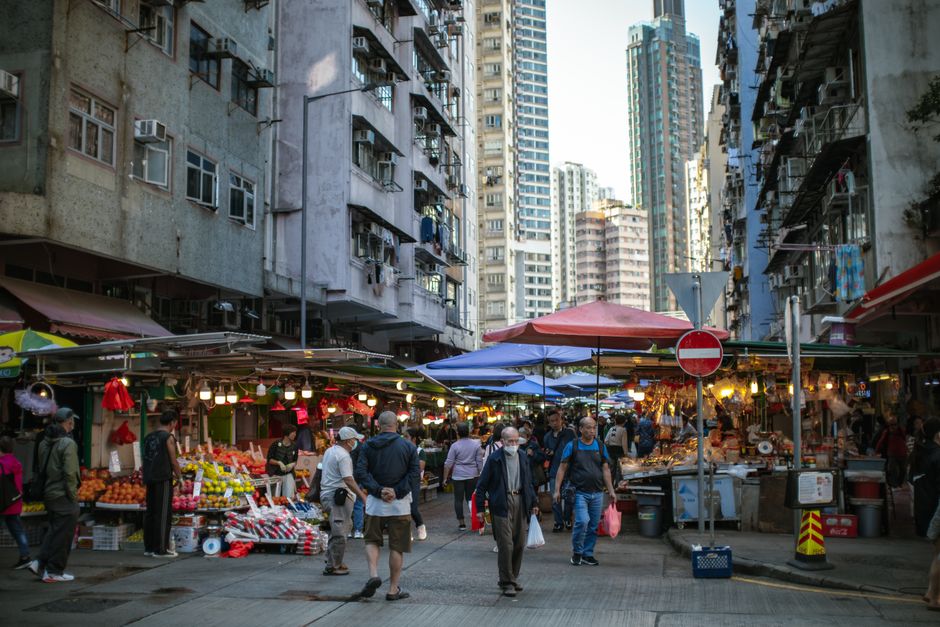
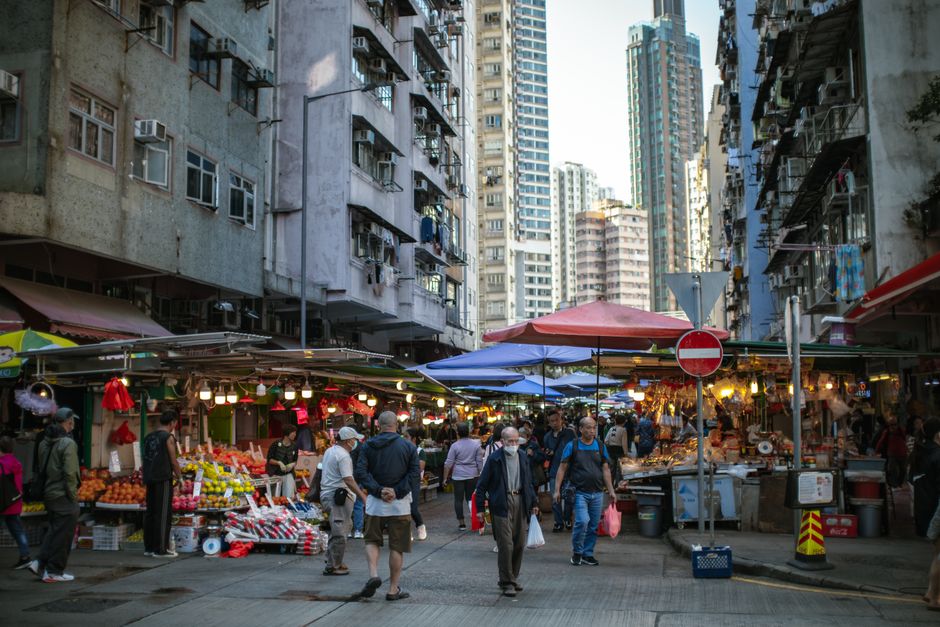
The best dim sum Hong Kong serves goes far beyond cart-pushing trolleys in tourist zones. This guide reveals where locals actually eat dim sum, from Michelin-starred establishments to neighbourhood dim sum spots that have perfected their craft over generations. Whether you're chasing har gow or seeking the perfect siu mai, Hong Kong's dim sum culture remains unmatched.
Hong Kong's dim sum heritage clusters around specific neighbourhoods, each with distinct specialties. Lin Heung Tea House in Central stands as perhaps the most iconic, operating since 1928. The trolley service here is quintessential Hong Kong—loud, chaotic, and utterly authentic. Arrive by 10:30 AM or expect 45-minute waits.
City Hall Maxim's Palace serves dim sum on two levels with over 100 varieties daily. The shrimp and chive dumplings and chicken feet are legendary. This is where Hong Kong business deals happen over bamboo steamers.
For Michelin-starred dim sum, Tim Ho Wan in Mong Kok offers exceptional quality at modest prices (the chain maintains one star). Their signature pork belly buns are worth queuing for, typically 30-60 minutes depending on time.
In Wan Chai, Dim Sum Square attracts crowds with contemporary dim sum presentations while maintaining traditional flavours. The crystal prawn dumplings here rival anywhere in Hong Kong.
Venture beyond Central for authentic neighbourhood dim sum experiences. Lian Sheng in Sham Shui Po operates Old-school trolley service in gritty, genuine Hong Kong surroundings. Grandmothers dominate the seating, which signals quality.
In Causeway Bay, Daimyo Ramen's sister establishment serves exceptional dim sum to younger crowds without compromising authenticity. Family groups appreciate the shorter wait times (typically 15-20 minutes).
For families with young children, Maxim's Palace in Times Square Causeway Bay offers air-conditioned comfort, faster table turnover, and wider English-language menus. Their har gow maintains quality while being less intimidating for dim sum newcomers.
Hong Kong's dim sum calendar follows specific patterns. June 2026 marks the tail-end of spring dim sum season, when seasonal items like bamboo shoot dumplings and spring vegetable selections peak. Early mornings (9–11 AM) offer the freshest selections before afternoon restocking.
Summer (June–August) sees reduced dim sum availability as Hong Kong's heat makes early morning gatherings less popular. Many traditional establishments maintain shorter weekend service only. Tourist season intensifies—expect 60+ minute waits at famous venues.
Autumn (September–November) represents optimal dim sum season. Temperatures cool, and establishments introduce autumn-specific items like mushroom dumplings. Reserve Friday and Sunday mornings as quieter alternatives to Saturday peaks.
Chinese New Year (typically February) creates month-long dim sum tourism surges, with special celebratory items but crowding that can reach 90+ minutes.
Arrive before 10:30 AM at popular venues for optimal selection and minimal queuing. Cart rotation follows predictable patterns—servers prioritize early arrivals with freshest items.
Order specific dishes by name rather than pointing at carts. This ensures you receive what you want and supports servers in faster service. Learn these essential Cantonese dish names:
Embrace table sharing during peak times—this is Hong Kong culture, not intrusion. You'll often meet locals who offer recommendations.
Credit cards work at established venues but many neighbourhood spots remain cash-only. ATMs are typically within 50 metres of popular dim sum locations.
Photography is acceptable at most venues, though avoid flash that disrupts other diners. Servers expect and enjoy showing off impressive dim sum presentations.
Traditional dim sum service involves point-and-choose from passing carts, though modern venues increasingly use ordering sheets. Expect your table to fill quickly—five to eight plates across 30 minutes is standard consumption pace.
Bills are calculated by counting bamboo steamers or checking order sheets. Average cost ranges from HK$60–120 (AUD$12–25) per person for casual venues to HK$200–300 (AUD$40–60) for premium establishments.
The teapot sits centre-table for communal sipping—sharing is standard practice, not unusual.
Group size matters significantly. Solo diners may wait longer for small tables, while groups of four or more secure seating faster. Booking is impossible at traditional venues; arriving early bypasses this entirely.
Weather considerations: June humidity approaches 80%—air-conditioned venues like Maxim's Palace offer greater comfort than open-window neighbourhood spots.
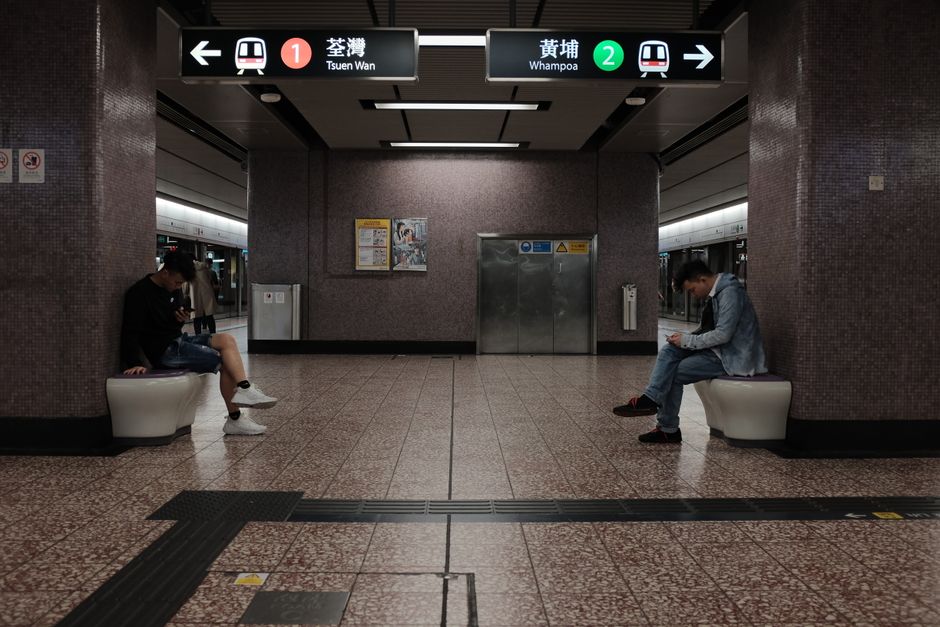
Transport accessibility favours MTR-adjacent venues. City Hall (Central Station), Mong Kok Station, and Causeway Bay Station place you within two minutes of major dim sum destinations.
Hong Kong's dim sum culture represents centuries of culinary refinement condensed into bamboo steamers. Whether seeking Michelin recognition or neighbourhood authenticity, these venues deliver experiences unavailable elsewhere. Follow The Daily Hong Kong for updated venue reviews, seasonal recommendations, and expert Hong Kong dining guidance throughout 2026.
This article was compiled by AI and screened before publishing. See our editorial standards.
About this article
Published by The Daily Hong Kong
Spread the word
Daily brief
Free, in your inbox before 7am. Weekdays.
Before you go
The day's Hong Kong news in a 2-minute read. Free, weekday mornings.