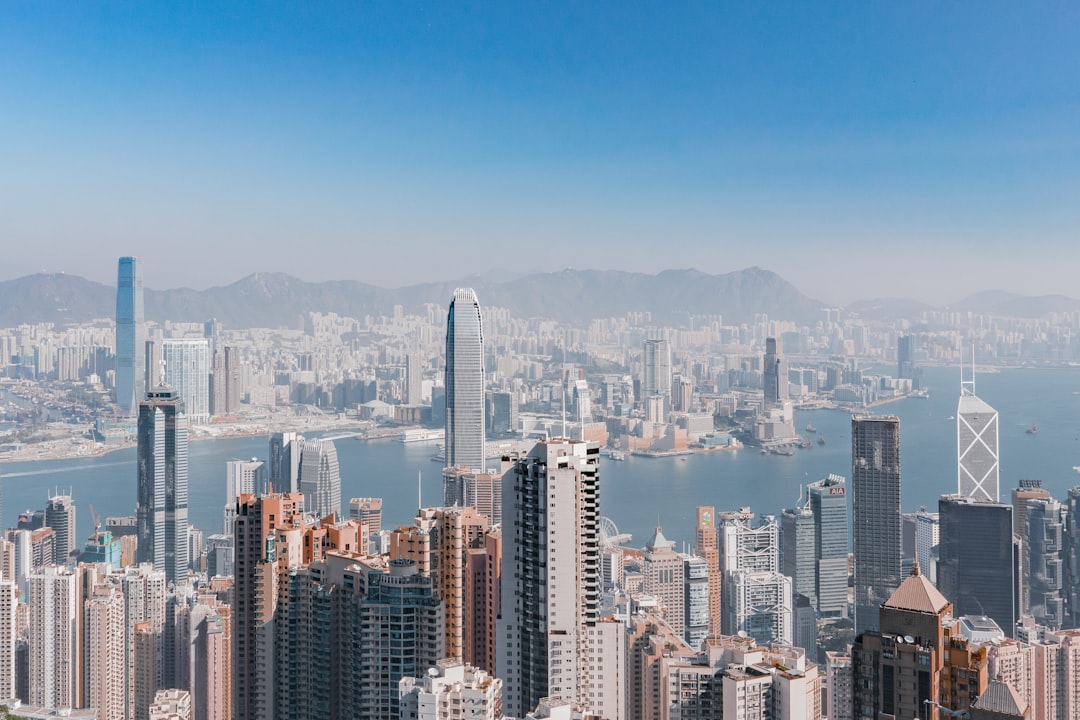
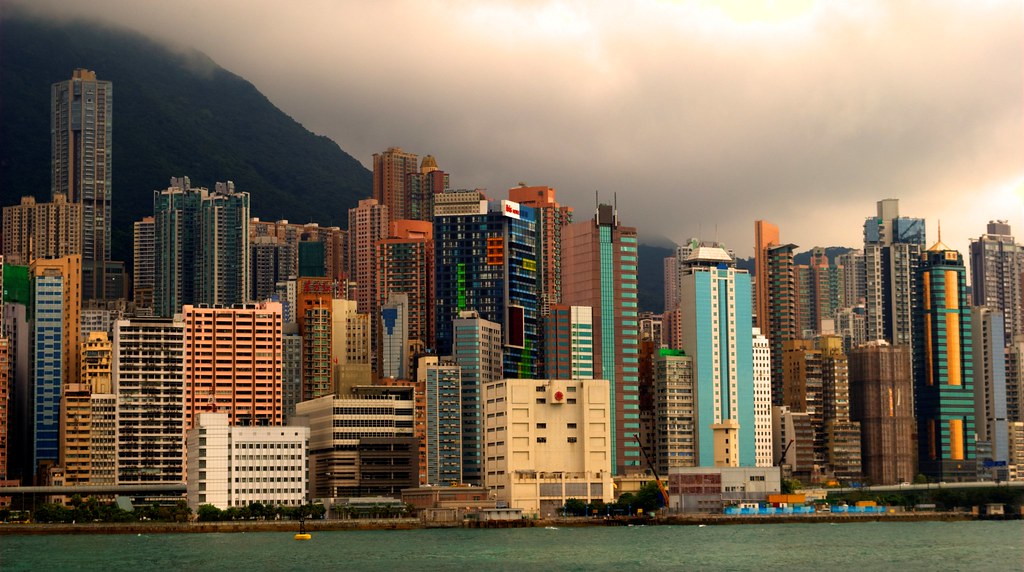
Hong Kong's street art scene operates in a particular cultural and political context: the city's extraordinarily high population density (nearly 7 million people on 1,100 square kilometres of land), the dominance of private property ownership, and the political environment since 2020 all shape the character of public art in Hong Kong. The city's street art is concentrated in specific heritage and creative precincts rather than diffused across the urban fabric. Here are the best street art locations in Hong Kong for 2026.
PMQ: Central Creative Hub
PMQ (at 35 Aberdeen Street, Central, accessible by MTR to Central and a 15-minute walk up the hill, open daily 7am-11pm) is Hong Kong's most important creative hub and one of the most significant adaptive reuse cultural projects in Asia: the PMQ (Police Married Quarters, the 1951 residential blocks for married police officers, converted into a creative hub for Hong Kong design and fashion in 2014) houses over 100 creative studios, showrooms, and retail outlets in the two eight-storey residential blocks, with exterior murals and art installations commissioned on the building facades. The PMQ exterior walls and the central courtyard carry commissioned works by Hong Kong and international artists; the annual PMQ TOUCH street art festival (typically held in October) commissions new exterior murals each year. The PMQ is the closest Hong Kong has to a dedicated street art district in the European or Latin American tradition.
Sheung Wan: Gallery District Murals
Sheung Wan (the neighbourhood west of Central, accessible by MTR to Sheung Wan, open as a public neighbourhood at all hours) provides Hong Kong's most gallery-integrated street art environment: the concentration of contemporary art galleries in Sheung Wan (including Lehmann Maupin, Pearl Lam Galleries, Perrotin, and White Space) has created a neighbourhood where gallery-commissioned exterior works and large-scale paste-up art coexist with the traditional Hong Kong dried goods shops and traditional architecture of the Sheung Wan waterfront. The Sheung Wan Jockey Club Creative Arts Centre (JCCAC) and the Sheung Wan Civic Centre provide additional public art programming in the neighbourhood.
Wan Chai: Blue House Neighbourhood Art
The Blue House (at Stone Nullah Lane, Wan Chai, accessible by MTR to Wan Chai and a 10-minute walk, open as a public neighbourhood at all hours) provides Hong Kong's most historically rooted neighbourhood art experience: the Blue House (the last surviving example of a 1920s tong lau shophouse with a Chinese medicine shop on the ground floor, painted vivid blue, with the adjacent Yellow House and Orange House creating a neighbourhood-scale heritage conservation project) is surrounded by a neighbourhood art environment that reflects the Wan Chai Revitalisation Project's approach to community art as a tool for heritage conservation. The murals and installations around the Blue House complex reflect the traditional Wan Chai neighbourhood community and the food, medicine, and social history of this historic district.
Sham Shui Po: Working-Class District Art
Sham Shui Po (the working-class neighbourhood in western Kowloon, accessible by MTR to Sham Shui Po station, open as a public neighbourhood at all hours) provides Hong Kong's most authentic and most socially embedded street art experience: the Sham Shui Po neighbourhood (historically the poorest district in Hong Kong, home to the city's electronics market, the fabric market, and large communities of South Asian and mainland Chinese immigrants) has developed a significant body of community-initiated art works on the walls of its residential blocks and shop facades, responding to the social pressures of urban poverty, gentrification, and community displacement. Several Hong Kong artists and community art organisations work regularly in Sham Shui Po to produce murals and public art that reflect the neighbourhood's specific social character.
Art Bash and Hong Kong Arts Festival
The Hong Kong Arts Festival (held annually in February-March) and the Art Basel Hong Kong (held annually in March at the Hong Kong Convention and Exhibition Centre) both commission significant outdoor public art works across Hong Kong's public spaces as part of their programme: the Art Bash (the Art Basel Hong Kong's outdoor public art activation) typically includes 10-15 new outdoor works across Hong Kong Island and Kowloon, with large-scale murals on building facades, light installations, and site-specific sculptures in public parks and plazas. The Art Basel Hong Kong period (March) represents the peak of Hong Kong's public art activity and the best time to see new commissioned works across the city.
Practical Street Art Tips
Hong Kong's street art is accessible year-round; the subtropical climate (warm and humid year-round, with the coolest months November-February providing the most comfortable walking conditions) does not significantly restrict outdoor street art exploration. The MTR provides excellent access to all Hong Kong street art destinations: Sheung Wan MTR for the gallery district, Wan Chai MTR for the Blue House, Sham Shui Po MTR for the Kowloon working-class art, and Central for the PMQ. Hong Kong's typhoon season (June-October) can bring Typhoon Signal 8 or above warnings that close all outdoor venues; check the Hong Kong Observatory (weather.gov.hk) for current typhoon status before planning outdoor street art tours. The HKWalks app (a free Hong Kong walking tour app) includes a street art walking tour of the Central and Sheung Wan districts with mapped route and artist information.
This article was compiled by AI and screened before publishing. See our editorial standards.