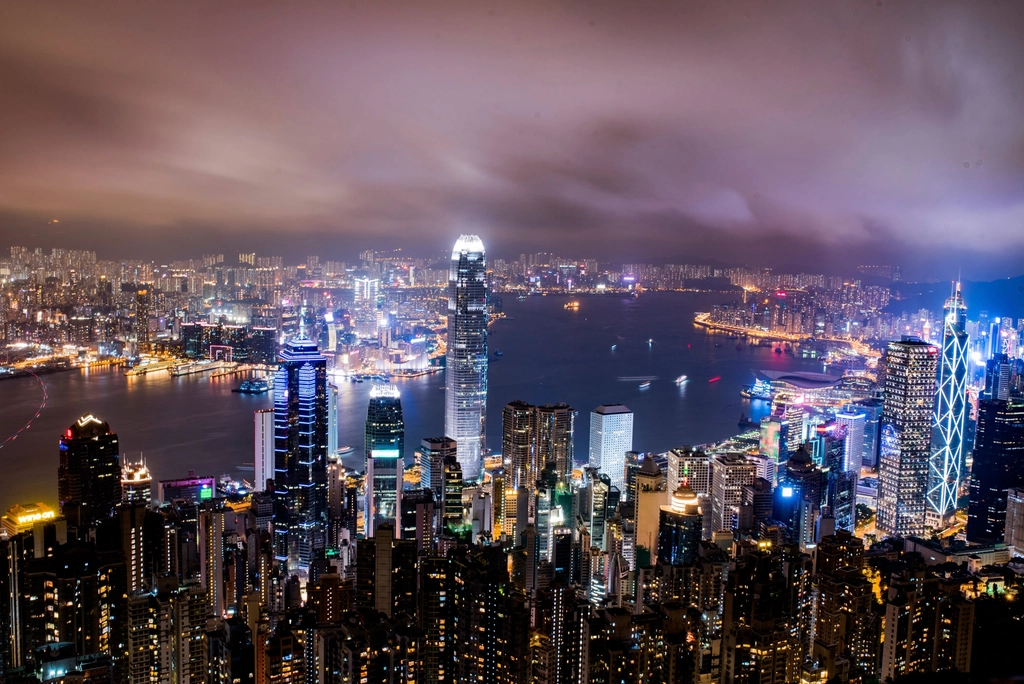
The world is fracturing along fault lines that have direct consequences for Hong Kong's 7.5 million residents, and the effects are already showing up in import prices, delivery times and the availability of everyday goods. With Iran's political transition underway following the death of its supreme leader, ongoing instability in Eastern Europe, and China defending its domestic ethnic unity policies against international criticism, the trading environment that Hong Kong depends on is under more simultaneous pressure than at any point since the pandemic supply chain crises of 2021 and 2022.
Hong Kong remains one of the world's most trade-dependent economies. The city imports roughly 90 percent of its food and nearly all of its consumer goods. When global shipping routes are disrupted — whether by conflict, sanctions, or political instability in transit countries — consumers here feel it fast. The question most residents have not yet asked themselves is: how exposed am I, really?
What the Supply Chain Looks Like From a Wet Market in Wan Chai
Walk through the Wan Chai wet market on Stone Nullah Lane on any weekday morning and the produce looks plentiful. Spanish strawberries sit next to Japanese grapes. Chilean cherries, seasonal but still present, occupy prime shelf space. Yet beneath the appearance of abundance, the logistics keeping that produce on those tables are under stress. Freight rates on container ships travelling through the Red Sea have remained elevated throughout 2026, adding between 12 and 18 percent to baseline shipping costs for goods routed from Europe and the Middle East — a surcharge that importers have been quietly absorbing, then quietly passing on.
For electronics, the story is different. The computer and phone stalls clustered around Sham Shui Po's Apliu Street have been managing tighter inventory on certain laptop and component categories since the first quarter. Suppliers cite tightening export controls from both the United States and China, competing restrictions that squeeze Hong Kong traders operating in the middle. The Hong Kong General Chamber of Commerce flagged the dual-restriction problem in a March 2026 submission to the Trade and Industry Department, calling for clearer compliance guidance for small and medium-sized importers.
Numbers That Actually Matter for Your Wallet
The Census and Statistics Department's latest trade figures, released in June 2026, show Hong Kong's total merchandise imports rose 6.2 percent year-on-year in the first four months of 2026. But the headline number flatters the reality. Stripping out re-exports, the value of goods retained for local consumption was up only 1.8 percent, suggesting the increase is largely a price effect rather than a volume surge — meaning residents are paying more for roughly the same quantity of goods.
Energy costs are a compounding factor. CLP Power and HK Electric both implemented tariff adjustments in January 2026, citing higher fuel procurement costs. A typical residential household in a 500-square-foot flat is now paying roughly HK$780 per month in electricity costs, up from approximately HK$690 this time last year. That figure will climb further if global energy markets tighten — a real possibility given the geopolitical pressures building simultaneously across the Middle East and Eastern Europe.
The Hong Kong Trade Development Council has been running a series of practical workshops at its headquarters in the HKTDC Exhibition Centre in Wan Chai, aimed at helping small businesses understand compliance with evolving trade rules. But those events largely target importers, not consumers. The gap in public financial literacy around trade risk is real and worth closing.
For residents managing household budgets, the practical steps are straightforward. Diversify where you shop — ParknShop and Wellcome are not the only options, and wet markets often absorb price shocks more slowly than supermarket chains. Build a small buffer of non-perishable staples; the government's own emergency preparedness guidelines recommend a 14-day supply. And pay attention to country-of-origin labels: when one source nation faces disruption, knowing your alternatives in advance makes a genuine difference. The global situation is shifting quickly, and the best hedge for an ordinary Hong Kong household is simply to be less surprised by it.