Cost of Living in Hong Kong 2026: Australian Expat Guide
Hong Kong combines some of the world's highest accommodation costs with a low, simple tax system and outstanding urban infrastructure. Here is what it actually costs to live in Hong Kong as an Australian expat in 2026.
Accommodation — Extreme Cost, Small Space
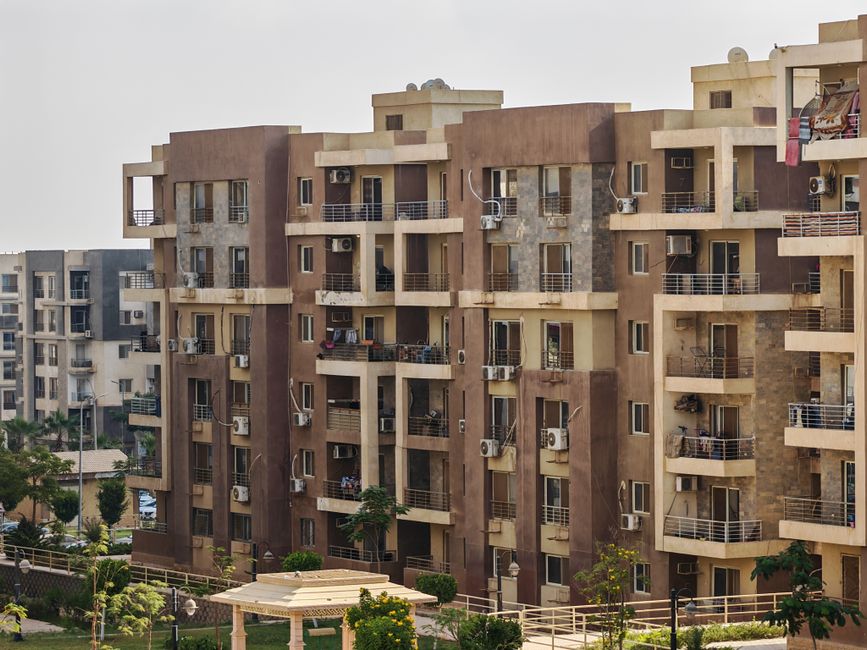
Hong Kong has one of the most expensive housing markets in the world — a consequence of extreme land scarcity, high population density, and the land-sale revenue model of the Hong Kong government. The reality for most expats is significantly smaller living spaces than in Australia or mainland cities. A one-bedroom apartment (approximately 40-55 square metres) in popular expat areas on Hong Kong Island (Mid-Levels, Happy Valley, Sai Ying Pun, Kennedy Town, Wan Chai, Tai Hang) costs approximately HKD 18,000-35,000 per month (approximately AUD 3,500-6,800). In Kowloon (Tsim Sha Tsui, Jordan, Yau Ma Tei — less popular with senior expats but improving), similar apartments cost HKD 12,000-22,000 per month. Family expats with employer housing allowances (typically HKD 40,000-80,000+ per month for senior positions) often rent 2-3 bedroom apartments in the prestigious residential towers of Happy Valley, Mid-Levels, or the Peak, or house in the New Territories (Discovery Bay, Sai Kung) where more space is available. The Hong Kong housing market has been volatile since 2019; current conditions should be researched carefully.
Hong Kong's Salaries Tax — The Expat Advantage
Hong Kong's salaries tax is one of the world's most competitive — a progressive rate capped at a maximum effective rate of 15% on net chargeable income (or 17% on net income, whichever is lower). For a single expat earning HKD 600,000 (approximately AUD 117,000) annually, the effective salaries tax rate is approximately 12-13%. For a couple filing jointly, the effective rate is lower. There is no capital gains tax, no inheritance tax, no goods and services tax, and no social insurance contribution in Hong Kong (unlike mainland China). The combination of internationally competitive salaries (particularly in finance, legal, and professional services) and the 15% tax cap makes Hong Kong highly rewarding financially for Australian expats in senior positions.
Groceries, Eating Out and Transport
Food in Hong Kong ranges from extremely cheap (dai pai dongs — open-air food stalls, cha chaan tengs — Hong Kong-style diners with their unique milk tea and toast culture — and wonton noodle shops where a full meal costs HKD 30-60) to extremely expensive (imported wine and Western restaurant dining at five-star hotels). International supermarkets (City'Super, Great, Market Place by Jasons, ParknShop) stock Australian products; a weekly grocery basket costs approximately HKD 600-1,000 (AUD 115-195). Hong Kong's Mass Transit Railway (MTR) is one of the world's most efficient and punctual metro systems; the Octopus Card covers all MTR, bus, tram, and ferry travel. A typical monthly transport spend is HKD 500-900 (AUD 100-175). Taxis are inexpensive by Australian standards.
Typical Monthly Budget for an Australian Expat in Hong Kong
A single Australian professional in a one-bedroom apartment on Hong Kong Island (Mid-Levels) should budget approximately HKD 45,000-65,000 per month (approximately AUD 8,700-12,600): rent HKD 22,000-32,000, food HKD 5,000-8,000, transport HKD 600-1,000, health insurance (private, most employers provide) HKD 1,000-2,000, utilities HKD 800-1,200, entertainment HKD 4,000-7,000, personal expenses HKD 3,000-5,000. Hong Kong is expensive but financial compensation packages for senior professionals typically reflect this.
This article was compiled by AI and screened before publishing. See our editorial standards.