culture
Hong Kong Museum Reopens Massive "Hong Kong Story" With 2,800 Exhibits
The update spotlights Hong Kong's deep Chinese cultural foundations while drawing fresh attention to local artists reinterpreting the city's past.
How we reported this
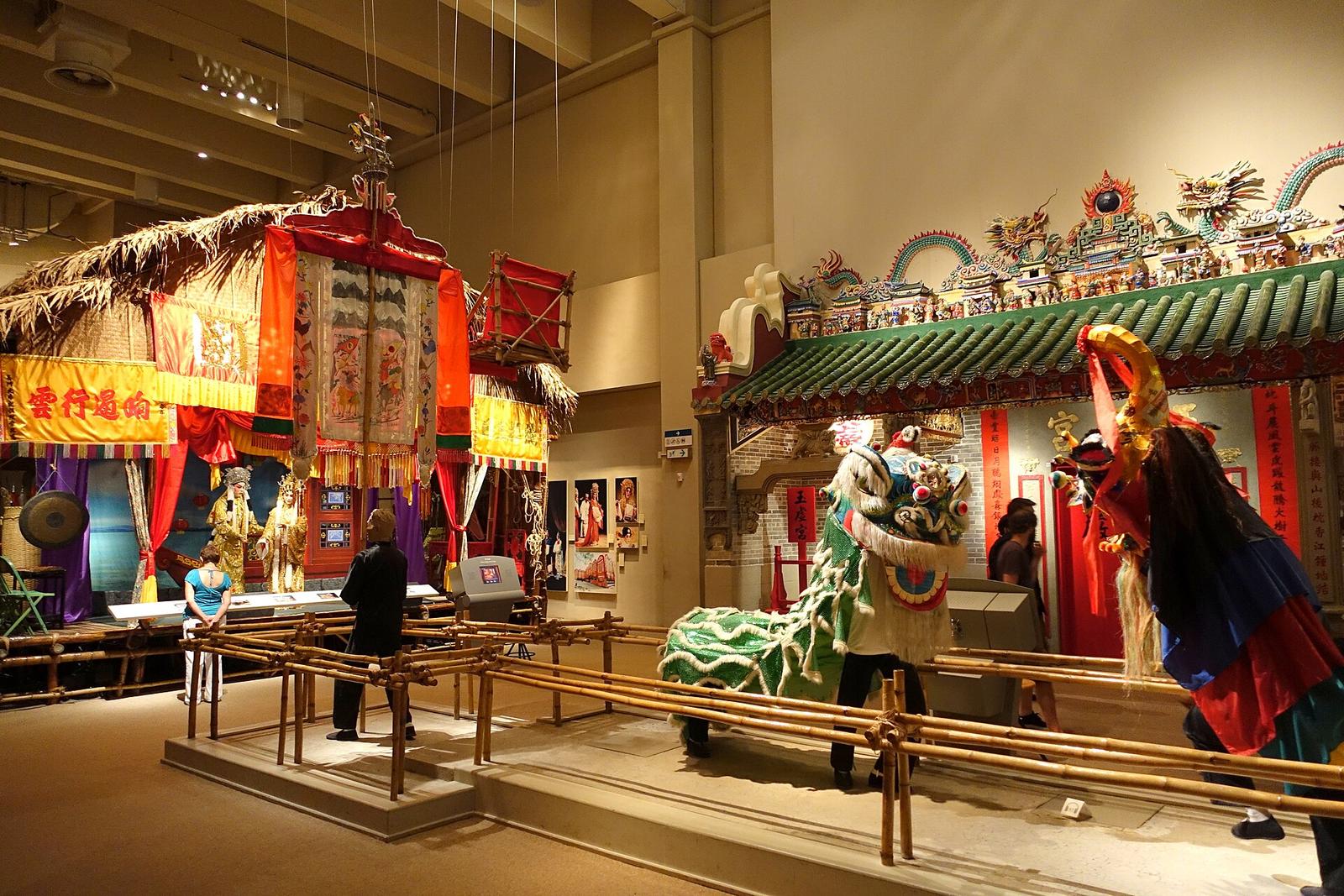
The revamped 'Hong Kong Story' exhibition at the Hong Kong Museum of History reopened in April 2026, now featuring 10 galleries and over 2,800 exhibits that emphasize Hong Kong's roots in Chinese culture dating back to the Qin dynasty (214 BC).
Residents are revisiting these threads at a moment when cultural programs across the city seek to connect younger generations with earlier chapters of settlement and upheaval. The timing aligns with renewed interest in how historical shifts still shape daily life in districts built on former fishing grounds and trade routes.
Foundations at Aberdeen Harbour and Tai O
Hong Kong's name itself traces to the incense trade centered at Aberdeen Harbour, where the Tanka people established early salterns and villages. Tai O fishing village, developed by the same indigenous boat-dwelling communities, remains a tangible reminder of those pre-urban patterns. The Tang family, which settled in the area during the 11th century, kept its lands through later changes and stands as the city's oldest recognized lineage. These sites anchor the exhibition's opening galleries on early Chinese administrative reach and coastal livelihoods.
National Geographic records show the island operated as a modest fishing outpost under Chinese rule before the 1800s. British merchants then began exchanging smuggled opium for tea, silk and porcelain, setting off the First Opium War from September 1839 to 1842. That conflict produced 520 British casualties and up to 20,000 Chinese casualties before ending with the Treaty of Nanjing on 1 January 1842, which permanently transferred Hong Kong island to Britain.
Population Swings and Later Milestones
Further territorial losses followed. The Second Opium War from 1856 to 1860 brought the Convention of Peking and British control over the Kowloon Peninsula. In 1898 a 99-year lease added the New Territories. Waves of migrants from the mainland arrived with each shift, swelling the population and turning the territory into a regional trade hub. During the 1941-1945 Japanese occupation the population fell from 1.6 million to 600,000. A further surge came after 1949, when up to 100,000 people a month crossed into Hong Kong following the Communist victory on the mainland.
The exhibition places these documented episodes alongside later economic expansion in the 1950s and 1970s, when manufacturing and finance lifted living standards. Its refreshed displays now encourage emerging local artists and curators to create new responses to the same timeline, from installations at the museum to public programs tied to Hong Kong Week events. Visitors can book timed entry through the Leisure and Cultural Services Department site and combine a museum stop with a ferry ride to Aberdeen Harbour or Tai O for direct comparison with the exhibits.