Federal
Federal Funding Squeeze Hits Hong Kong Port Logistics
New administrative mandates from the central government are forcing a 15% budget reallocation for local maritime infrastructure projects.
2 min read
Updated 1 h ago
Federal
New administrative mandates from the central government are forcing a 15% budget reallocation for local maritime infrastructure projects.
2 min read
Updated 1 h ago
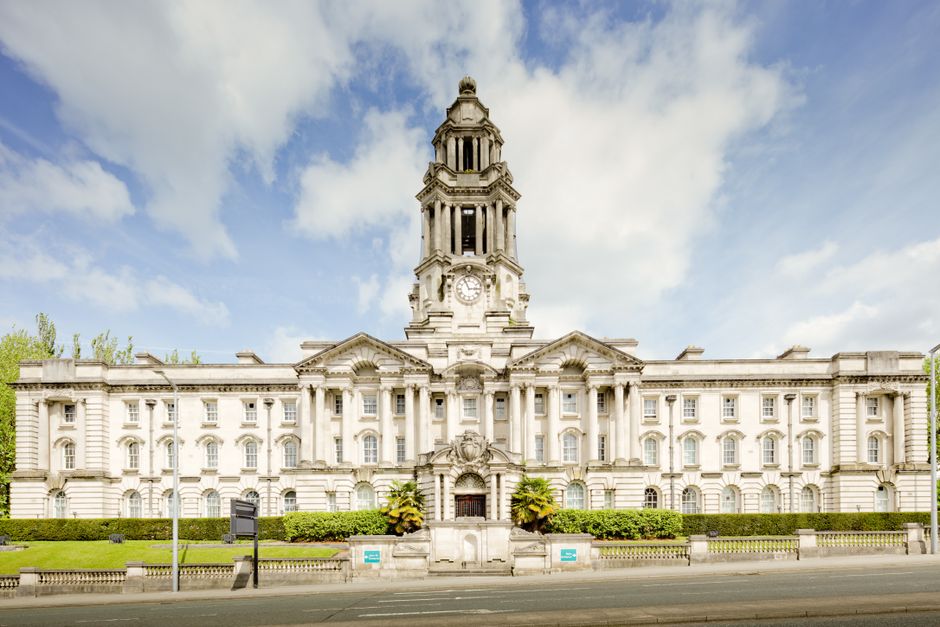
Hong Kong’s shipping industry faces a sudden fiscal tightening as federal directives landed at the Marine Department offices this morning. The order mandates that local authorities re-prioritize maintenance budgets toward the development of automated transshipment hubs, effectively stripping funds from legacy harbor safety programs in the Western District and Tsim Sha Tsui.
The directive, issued late Wednesday by the Federal Infrastructure Planning Committee, aims to consolidate the city’s role in the Greater Bay Area logistics network. Officials at the Hong Kong Maritime and Port Board have spent the morning fielding calls from local operators who rely on the maintenance of the Kwai Tsing Container Terminals. The policy dictates that 15% of the total operating budget—roughly HK$450 million—must be moved into the 'Smart Port 2030' initiative before the fiscal quarter ends on September 30.
This reallocation signifies a major shift in how federal oversight operates within the SAR. For years, the federal government maintained a hands-off approach to the daily upkeep of individual piers and breakwaters. Now, every project exceeding HK$10 million requires direct sign-off from Beijing-appointed federal supervisors. The change is aimed at ensuring Hong Kong’s hardware stays compatible with the mainland’s fully digital shipping protocols, but port administrators argue the sudden pivot leaves essential infrastructure in the Yau Ma Tei Anchorage vulnerable to neglect.
Data released by the Census and Statistics Department earlier this week confirms the urgency behind these centralized moves. Despite a 4.2% increase in total cargo throughput during the first five months of 2026, profit margins for mid-stream operators have plummeted by 8% due to rising energy costs and federal-mandated tech upgrades. These businesses are now caught between an aging physical foundation and the high costs of digital compliance.
The physical reality of this policy will become clear on the docks by next month. Repairs to the typhoon shelters near Causeway Bay, initially scheduled for late August, are now indefinitely postponed. Industry observers expect smaller logistics firms to seek legal intervention if their local operating licenses are compromised by the lack of structural oversight. Until the next federal quarterly review in October, businesses operating in the harbor area are advised to secure private insurance for terminal accidents, as the public liability buffer previously held by the government is being systematically dismantled to fund the tech transition.
About this article
Published by The Daily Hong Kong
Spread the word
Daily brief
Free, in your inbox before 7am. Weekdays.
Before you go
The day's Hong Kong news in a 2-minute read. Free, weekday mornings.