finance
Oil Surge and Wall Street Slide Cast Shadow Over Hong Kong Property Sentiment
The Hang Seng edged higher even as surging crude prices and a sharp US tech selloff raised fresh questions about borrowing costs and construction margins for Hong Kong's rate-sensitive property sector.
How we reported this
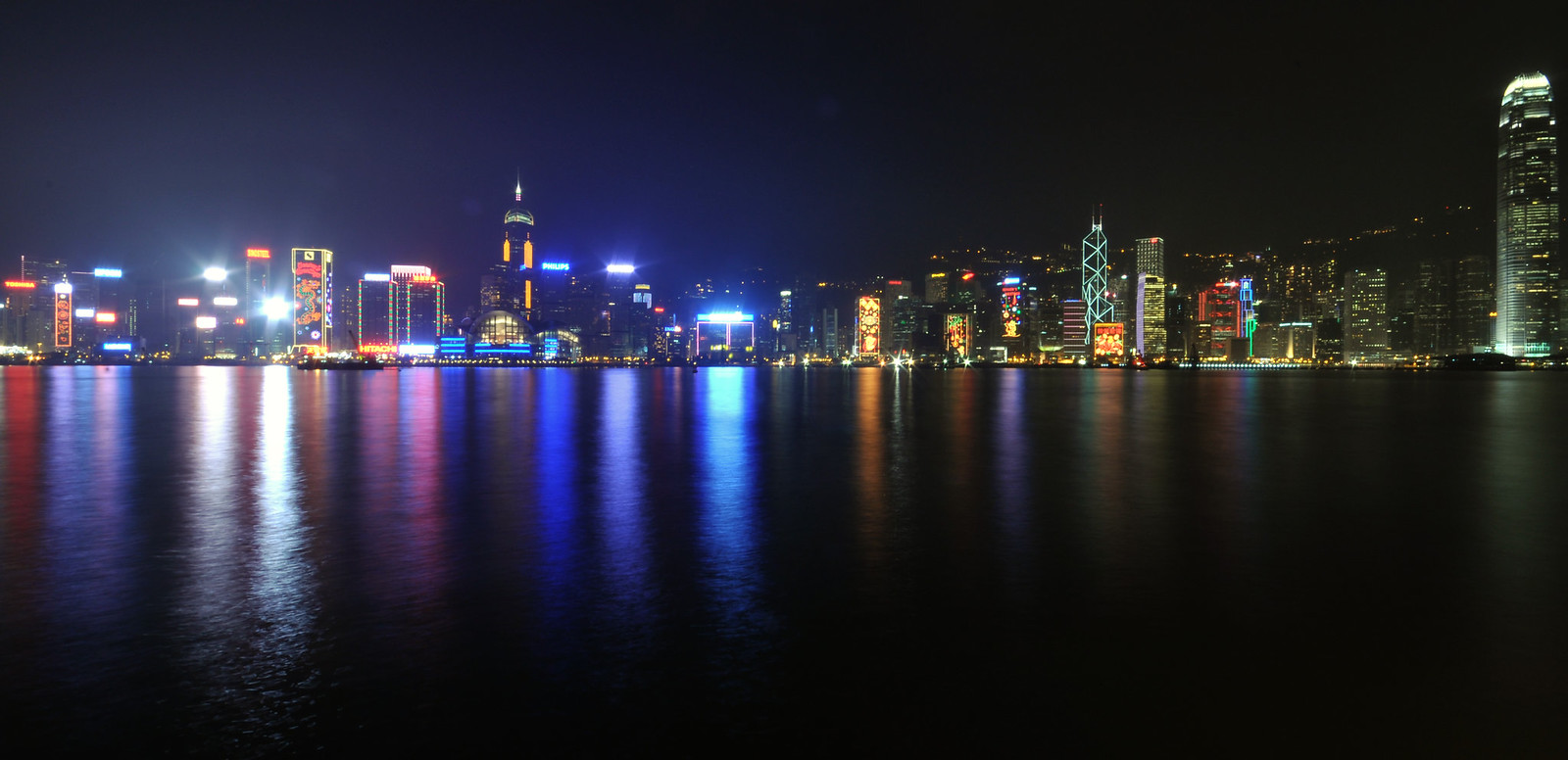
Hong Kong's property market has long been a barometer of broader financial confidence in the city, and Wednesday's trading session delivered a mixed set of signals for developers, landlords and homebuyers alike. The Hang Seng closed up 0.31% at 25,210.81, a modest gain that masked a more complicated picture: crude oil prices surged sharply, Wall Street retreated, and precious metals sold off heavily, leaving local market participants with plenty to digest before the next interest rate decision filters through to mortgage pricing.
The most consequential move for Hong Kong's construction and property financing landscape was in energy markets. Brent crude climbed 6.42% to US$100.11 a barrel, while WTI crude rose 5.86% to US$91.92. For a city that imports virtually all of its energy, a sustained move above the US$100 threshold in Brent is not merely a headline figure. It feeds directly into building materials logistics, cement plant operations and the cost of running the machinery that keeps Hong Kong's dense construction pipeline moving. Developers managing thin margins on new residential launches in the New Territories or commercial redevelopments in Kowloon will be watching the crude market closely for signs that the spike is durable rather than speculative.
The interest rate dimension adds another layer of complexity. Elevated oil prices are historically associated with stickier inflation, which in turn complicates the path toward monetary easing. Hong Kong's currency peg to the US dollar means the city effectively imports American monetary policy, and the overnight direction from New York was not encouraging for those hoping for relief on mortgage rates. The S&P 500 fell 1.34% to 7,408.3, the Dow Jones dropped 0.98% to 51,711.65, and the Nasdaq bore the sharpest losses, falling 2.71% to 25,137.69. A broad US equity retreat of that magnitude, led by technology, often signals that markets are repricing the likelihood of near-term rate cuts.
Safe-Haven Metals Retreat as Oil Dominates Risk Narrative
Notably absent from Wednesday's session was the usual refuge trade into gold. The metal fell 2.28% to US$4,052.5 an ounce, while silver dropped a steeper 3.51% to US$57.91 and platinum declined 2.39% to US$1,604. Copper, a commodity with direct relevance to Hong Kong's wiring, plumbing and infrastructure supply chains, slid 1.89% to US$6.329. The simultaneous retreat across metals and equities, combined with the oil surge, suggests the session was driven less by a clean risk-off rotation and more by specific supply or geopolitical pressures in energy markets. For Hong Kong investors holding diversified portfolios with metals exposure, the day's moves will have trimmed returns even where equity holdings held up.
In crypto markets, the selling was consistent if not dramatic. Bitcoin fell 1.56% to US$65,068.89, Ethereum dropped 2.58% to US$1,883.68, and Solana declined 2.42% to US$76.02. XRP fell 2.73% to US$1.1104, while Dogecoin led losses among the major tokens with a 4.66% slide to US$0.06955. Hong Kong has been positioning itself as a regulated digital asset hub, and sustained softness in token prices tends to weigh on the broader fintech and exchange ecosystem the city has been cultivating. BNB was comparatively resilient, off just 0.55% to US$567.61.
Elsewhere in Asia, the session was broadly positive. The Nikkei 225 rose 0.46% to 66,422.6 and the Straits Times Index in Singapore gained 1% to 5,581.76, suggesting that the regional mood was constructive even as Western markets struggled. European indices offered a sharper contrast: the CAC 40 in Paris fell 1.64% to 8,299.09 and the DAX dropped 0.99% to 24,763.12, though the FTSE 100 bucked the trend with a 0.5% rise to 10,639.17, likely supported by the same energy price tailwind that lifts the index's substantial oil and gas weighting.
For Hong Kong readers tracking the intersection of global markets and local financial conditions, the day's key takeaway is that the path toward lower financing costs remains uncertain. Property transaction volumes and developer confidence are sensitive to that uncertainty. The Hang Seng's small gain offers some reassurance, but the oil market's move and Wall Street's retreat are the figures that will shape the conversations happening in finance directors' offices and mortgage brokers' meeting rooms across the city this week. This article is general information only and does not constitute personal financial or investment advice. Readers should consider their own circumstances and consult a licensed professional before making any financial decisions.