AI Startups Hong Kong Funding Surges to $890M
Hong Kong AI startups attracted $890M in venture funding last year, nearly triple 2024 levels. How the city is becoming Asia's artificial intelligence hub for investor capital.
2 min read
Hong Kong AI startups attracted $890M in venture funding last year, nearly triple 2024 levels. How the city is becoming Asia's artificial intelligence hub for investor capital.
2 min read

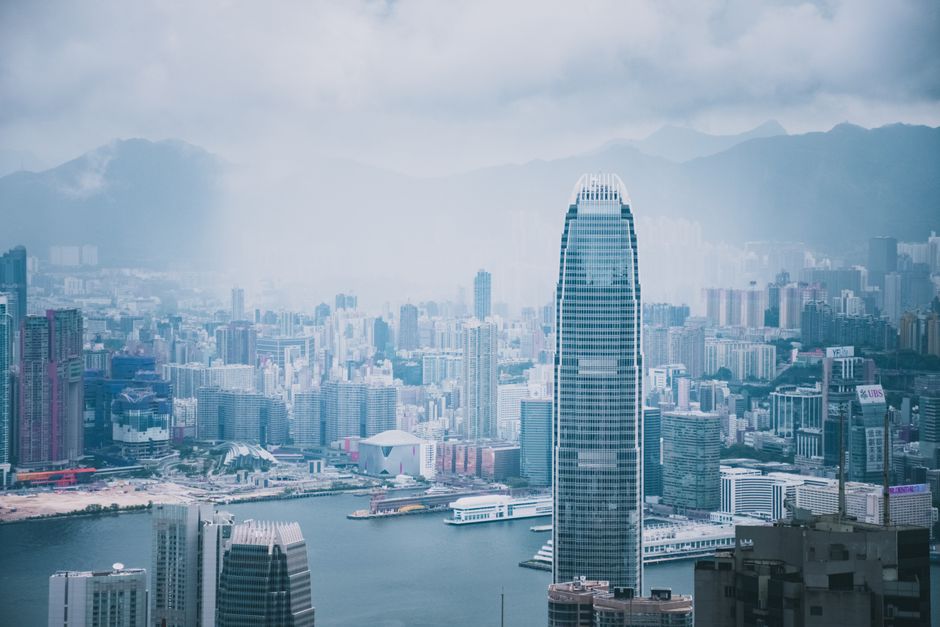
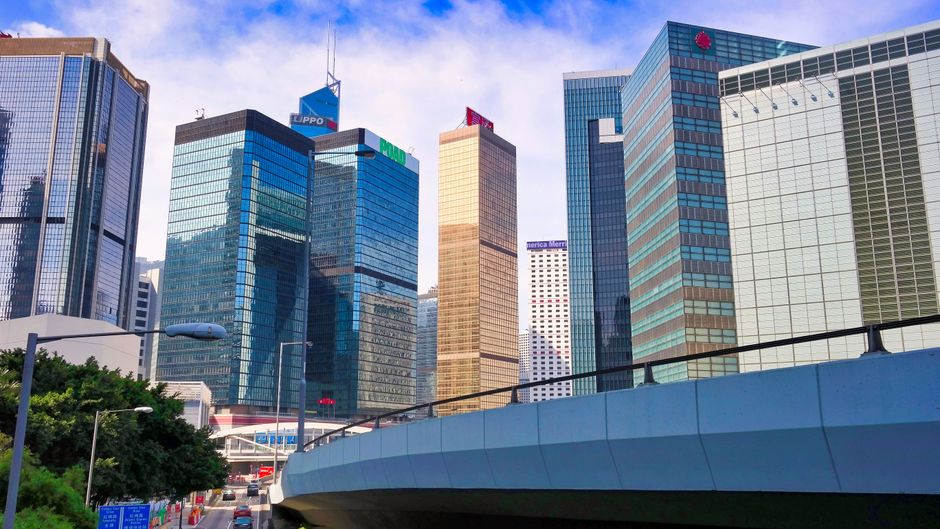
Walk through the gleaming office towers of Central or Causeway Bay these days, and you'll notice a familiar pattern: venture capital firms are quietly reshaping Hong Kong's startup landscape, with artificial intelligence at the heart of the transformation.
The numbers tell a compelling story. AI-focused startups in Hong Kong attracted approximately US$890 million in venture funding last year, nearly triple the US$310 million deployed in 2024, according to data compiled by local investment tracking firms. That surge reflects a broader regional shift, with Hong Kong positioning itself as the gateway between Western AI innovation and Asian market opportunities.
"We're seeing institutional investors who previously focused on fintech or logistics suddenly ask us about AI applications," says one founding partner at a prominent Sheung Wan venture capital firm, speaking on background. Major players like Sequoia Capital and Accel have expanded their Hong Kong operations, while homegrown firms including Nest and Horizons Ventures have doubled down on AI portfolios.
The momentum extends beyond investor boardrooms. In Wong Chuk Hang's burgeoning tech district, several AI-native companies have leased office space at premium rates exceeding HK$80 per square foot annually—underscoring landlords' confidence in sector durability. Some startups are clustering near MTR stations, prioritizing accessibility for cross-border talent and client meetings.
What's driving the frenzy? Hong Kong's unique advantages matter. The city hosts deep pockets of institutional capital, regulatory clarity around data governance, and proximity to mainland Chinese markets where AI applications generate enormous scale. It's also home to respected research institutions like the University of Hong Kong and CUHK, which produce AI talent and breakthrough research.
Yet challenges persist. Rising office costs and competition from Singapore and Shanghai mean retention remains difficult. Some founders acknowledge that exit opportunities—particularly for Series B and later rounds—sometimes require relocation to larger ecosystems.
Still, the investment momentum suggests Hong Kong's tech community believes the opportunity justifies the investment. Several hundred AI startups now operate across the city, ranging from healthcare diagnostics and supply chain optimization to language models tailored for Asian markets. Incubators at Cyberport and the Hong Kong Science and Technology Parks are reporting record application numbers.
As 2026 progresses, the real test won't be funding availability—capital appears plentiful—but whether this wave of investment translates into sustainable, profitable businesses that anchor Hong Kong's position as a global AI powerhouse.
This article was compiled by AI and screened before publishing. See our editorial standards.
About this article
Published by The Daily Hong Kong
Spread the word
Daily brief
Free, in your inbox before 7am. Weekdays.
Before you go
The day's Hong Kong news in a 2-minute read. Free, weekday mornings.