Hong Kong Targets 2030 Carbon Neutrality With Solar and Battery Plants
Victoria Harbour solar farms and New Territories battery plants signal Hong Kong's shift toward clean energy, with major infrastructure coming this decade.
3 min read
Victoria Harbour solar farms and New Territories battery plants signal Hong Kong's shift toward clean energy, with major infrastructure coming this decade.
3 min read
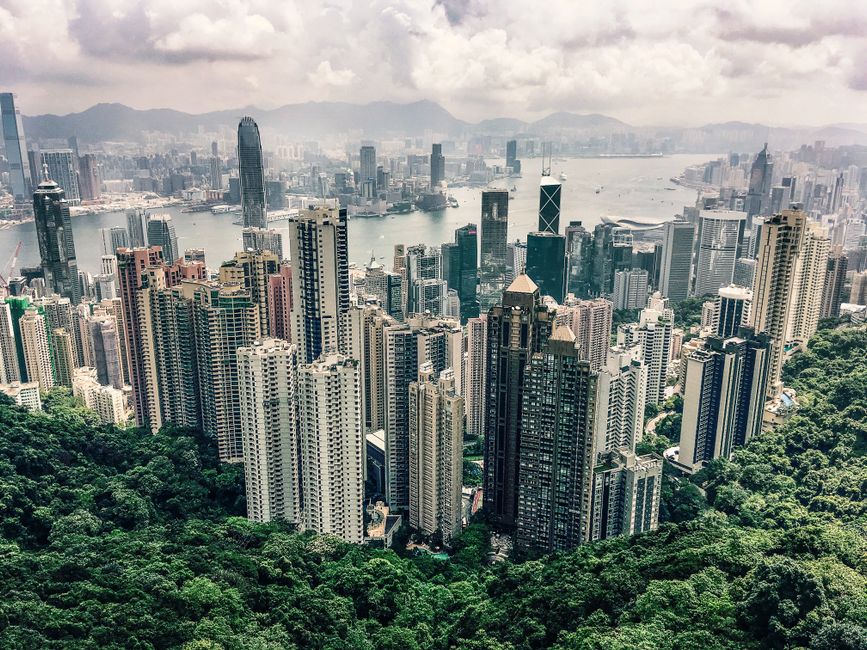
Hong Kong's green technology sector is entering a crucial phase. With the government's target to achieve carbon neutrality by 2050—and a revised intermediate goal of reducing emissions by 40 per cent by 2030—the next four years will see a wave of infrastructure projects and product innovations that could fundamentally alter how the city powers itself.
The most visible change will be in renewable energy deployment. Following the success of pilot solar installations on rooftops across Tuen Mun and Sha Tin, the Environmental Protection Department is greenlit for phase two expansion: integrating photovoltaic systems into 800 additional public buildings by 2028. More notably, offshore wind farms anchored in waters near Lantau Island are moving from blueprint to construction. These floating installations—a technology gaining traction across Asia—are expected to contribute 1,000 megawatts to Hong Kong's grid by 2029, representing a sevenfold increase from current renewable capacity.
Battery technology development is accelerating too. A new research hub launched at the University of Hong Kong's Pokfulam campus is focusing on solid-state batteries, promising 50 per cent faster charging times and enhanced longevity compared to current lithium-ion technology. These batteries will power the next generation of electric vehicles rolling out across the city's minibus fleet—operators have already committed to transitioning 30 per cent of their 5,700-vehicle fleet to electric by 2027.
In Central and the financial district, a network of ultra-fast charging stations is being installed in commercial car parks, with installations beginning along Des Voeux Road Central and spreading through Causeway Bay by late 2026. Meanwhile, the MTR Corporation is piloting regenerative braking systems on the East Rail Line, with plans to expand the technology across the network by 2028—a development that could recoup 15-20 per cent of the energy used during normal operations.
Perhaps most intriguingly, hydrogen fuel cell technology is no longer theoretical. The government has earmarked funding for a hydrogen distribution facility in Tseung Kwan O, positioning Hong Kong to become a regional hub for hydrogen-powered logistics and transport. Early trials with hydrogen-powered refuse collection vehicles in Wan Chai are scheduled to begin within months.
These developments reflect a broader shift: Hong Kong is transitioning from aspirational sustainability messaging to concrete infrastructure rollout. The next phase of Hong Kong's green energy future isn't just about policy announcements—it's about products, systems and technologies taking physical form across the cityscape.
This article was compiled by AI and screened before publishing. See our editorial standards.
About this article
Published by The Daily Hong Kong
Spread the word
Daily brief
Free, in your inbox before 7am. Weekdays.
Before you go
The day's Hong Kong news in a 2-minute read. Free, weekday mornings.