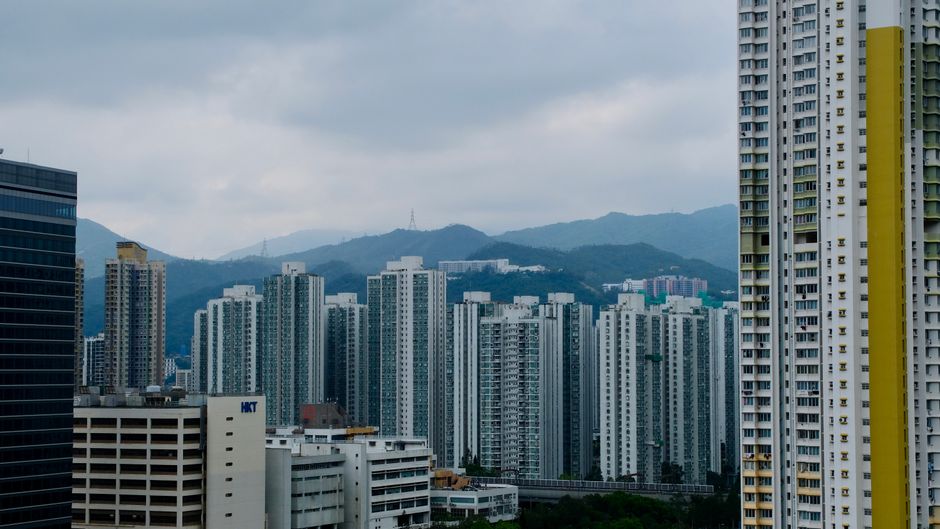
Walk through Central on a weekday morning and you'll witness something that confounds urban planners worldwide: a city of 7.5 million people, squeezed onto just 1,104 square kilometres, where green space doesn't feel like a luxury afterthought but rather woven into the city's DNA.
Hong Kong's approach to parks and outdoor living stands apart from comparable global cities, not because it has more green space—in fact, nearly 40% of the territory is designated country parks—but because of how strategically it's integrated into daily life. Victoria Park in Causeway Bay attracts 2.5 million visitors annually, yet rarely feels overcrowded. The Mid-Levels extend upward with pocket gardens and tree-lined escalators that function as outdoor living spaces themselves. Kowloon Walled City Park, carved from an infamous former slum, reimagines heritage as green sanctuary.
Compare this to Shanghai or Singapore, where parks exist as destinations. Here, they're transit points. The Peak Tram corridor isn't just transport; it's a journey through managed woodland. Waterfront promenades in Central and Tsim Sha Tsui treat public space as premium real estate—because it is.
What makes Hong Kong genuinely distinctive is its commitment to vertical greening. Green roofs on buildings like the PMQ design complex in Central, and climbing gardens on urban walls, reflect a uniquely Hong Kong solution: when horizontal space is finite, grow upward. The Urban Forestry team has planted over 1.2 million new trees since 2020, targeting 2 million by 2030.
Pricing tells the story too. A membership to the Hong Kong Parks and Gardens Association costs roughly HK$100 annually, making outdoor access genuinely democratic. Compared to premium suburban developments in Shanghai requiring HK$50,000+ membership fees, Hong Kong's model prioritises accessibility.
The social dimension distinguishes it further. Early mornings at Victoria Park host tai chi practitioners, joggers, and Cantonese opera singers coexisting without friction—a reflection of how deeply embedded outdoor culture is here. Sunset at Repulse Bay or morning walks through Lantau's coastal trails aren't escapes from the city; they're integral to how Hongkongers live.
Other megacities are catching up. Tokyo integrates gardens into architecture. Dubai manufactures green oases. But Hong Kong's model—where nature and density dance together rather than compromise—remains distinctly its own. That's what makes stepping into a park here feel less like leaving the city and more like experiencing its truest self.
This article was compiled by AI and screened before publishing. See our editorial standards.