lifestyle
Dim Sum Revival Transforms Hong Kong's Historic Sham Shui Po District
A neighbourhood reinvention shows how Hong Kong's oldest food traditions are thriving where other cities' culinary heritage has faded.
4 min read
Updated 2 h ago
lifestyle
A neighbourhood reinvention shows how Hong Kong's oldest food traditions are thriving where other cities' culinary heritage has faded.
4 min read
Updated 2 h ago
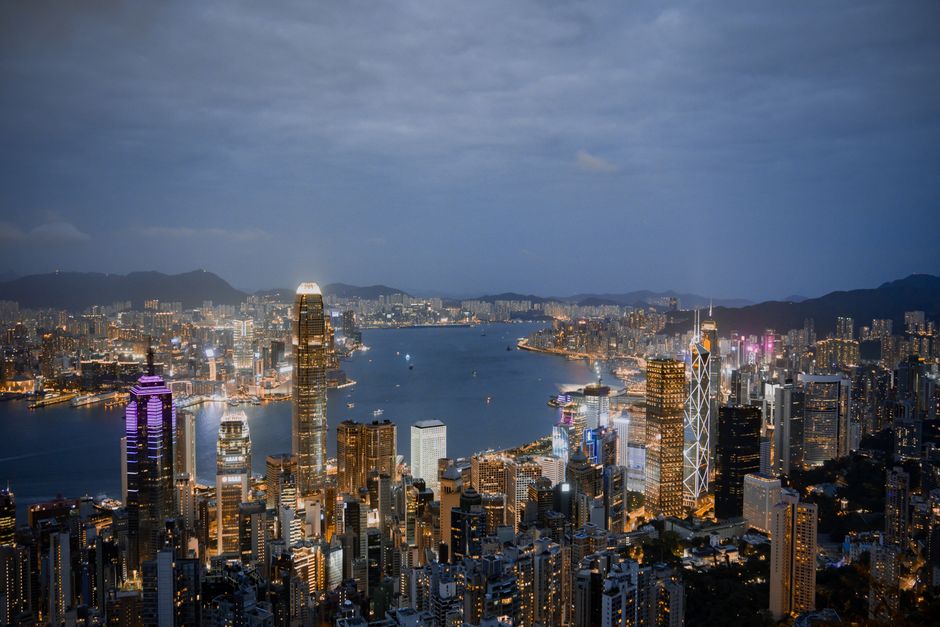
Sham Shui Po's dim sum carts are rolling again, but the trolleys that wheeled through these streets this week look nothing like the ones that served breakfast here a decade ago. The neighbourhood's dim sum parlours have quietly become something rare in global food culture: a place where a 400-year-old meal format is not merely surviving but expanding, even as London's last traditional dim sum houses closed and New York's Cantonese dining scene contracted to a handful of blocks.
What makes this resurgence worth watching is the timing. While heritage cuisines across major cities have surrendered to rental prices and shifting tastes, Sham Shui Po's operators have found a formula that works. Peak Yum Cha, which opened its second location on Reclamation Street in April 2026, now seats 280 diners daily. Three blocks away, Tim Ho Wan maintains its five-table counter service at the original Fried Dumpling stall, drawing queues that wrap around Ki Lung Street by 7 a.m.
The difference between Hong Kong's dim sum ecosystem and what's disappeared elsewhere comes down to density, daily habit, and an unbroken chain of skill transfer. In London, where Michelin-starred dim sum restaurants have closed in the past three years, diners treated the meal as an occasional outing. In Singapore or Bangkok, dim sum competes with dozens of other breakfast cultures. Here, dim sum is structural. Office workers on Des Voeux Road Central expect it. Construction crews in Mong Kok demand it. Grandmothers teach daughters to fold siu mai in home kitchens. That institutional weight keeps the supply chain intact—the shrimp paste vendors on Un Chow Street, the dumpling wrapper wholesalers near the Yuet Wah textile factory, the steamer basket manufacturers who've operated for 60 years.
Sham Shui Po's particular advantage stems from its role as the neighbourhood where dim sum skills cluster. The Jockey Club School of Culinary Arts operates a dedicated dim sum module in its Victoria Street facility, graduating about 120 chefs annually who specialise in the craft. That pipeline means restaurants can hire staff trained in the mechanics of hand-pulled dumplings and precise steaming times, something New York's dim sum kitchens struggled to sustain when experienced cooks retired without successors willing to work the anti-social hours.
The economics tell the story. A cart of siu mai at a Sham Shui Po establishment costs 24 Hong Kong dollars—roughly $3.10 USD. A comparable order in Manhattan costs $8.50. In London, before the final closures, it cost $9.20. Those price points matter because dim sum margins depend on volume, not premium pricing. A single siu mai takes eight minutes to hand-fold. A dim sum chef producing 40 steamer baskets per shift—the standard at places like Maxim's outlets across the territory—cannot survive on tourist trade alone. The meal survives here because locals make it routine.
Two forces will shape whether Sham Shui Po sustains this advantage. First, the Urban Renewal Authority's ongoing redevelopment plans for the neighbourhood, which could displace the current restaurant cluster around the Apliu Street wet market and Ki Lung Street workshops. Those spaces are rent-controlled or grandfather-leased, allowing dim sum establishments to operate on tight margins that wouldn't survive market-rate premises.
Second, the next generation's willingness to learn the craft. The Jockey Club's culinary school reports stable enrolment, but younger chefs increasingly prefer air-conditioned restaurant kitchens and regular hours over the 4 a.m. starts required in traditional dim sum houses. The culture persists when families work together—parents train children—but that model depends on residential proximity, something modern Hong Kong's housing market has made precarious.
For now, Sham Shui Po offers something that Shanghai's dim sum districts have largely lost, that Taiwan's bubble tea culture never required, and that Singapore treats as a relic: a neighbourhood where a single, demanding cuisine defines daily life and economic viability isn't an outlier. Whether that holds depends on the next decade of policy and family investment, not just nostalgia.


About this article
Published by The Daily Hong Kong
Spread the word
Daily brief
Free, in your inbox before 7am. Weekdays.
Before you go
The day's Hong Kong news in a 2-minute read. Free, weekday mornings.