lifestyle
Hong Kong Dim Sum Prices Drop as Competition and Cooling Inflation Transform Market
A perfect storm of competition, inflation cooling and neighbourhood shifts has transformed the city's dim sum landscape-and locals are winning.
How we reported this
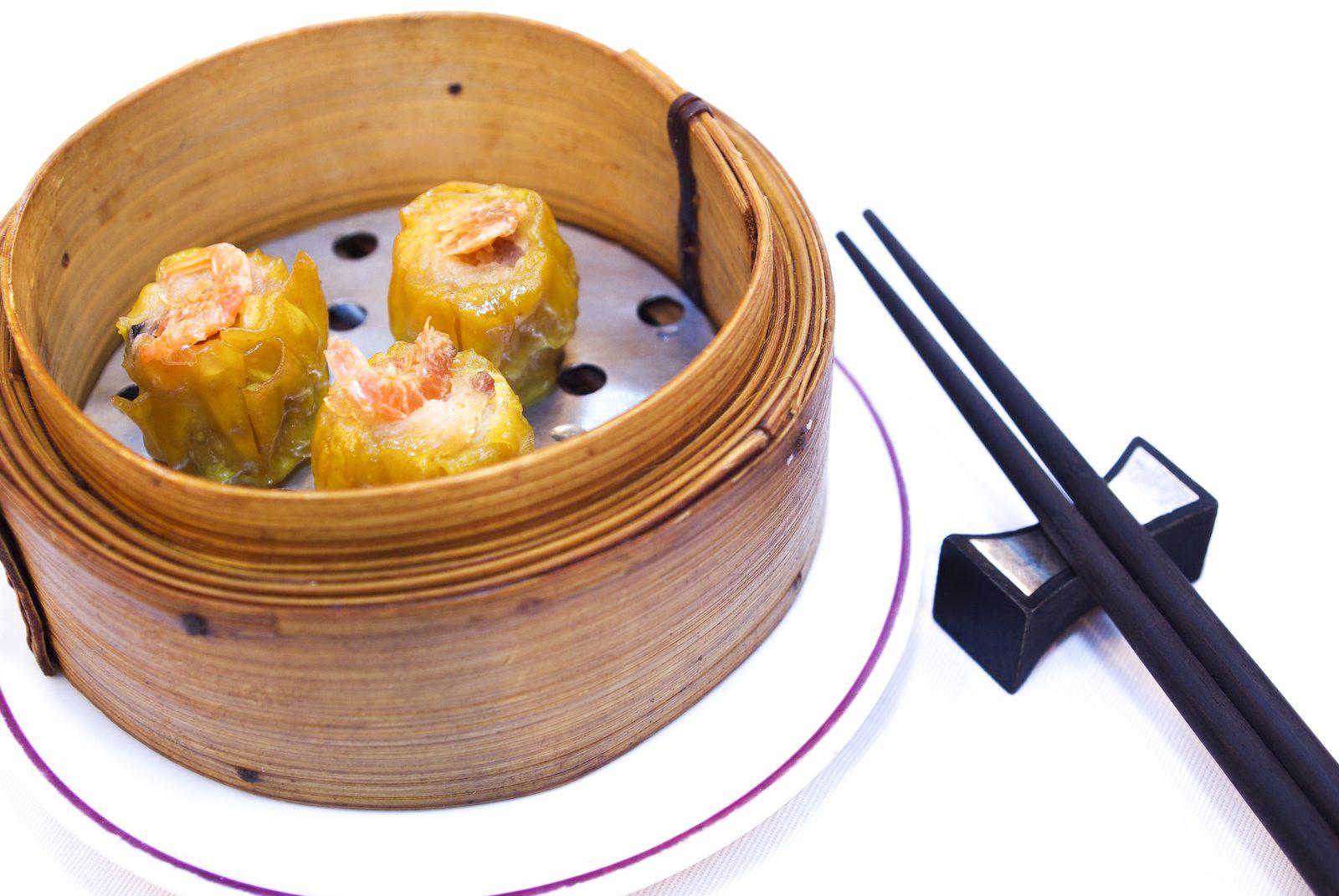
Dim sum prices in Central have dropped 12 to 15 percent since early 2024, marking the first sustained decline in nearly a decade. The shift catches plenty of Hong Kongers off guard. For years, a trolley cart stacked with har gow and siu mai cost what a casual lunch in Soho would run you elsewhere. Now the numbers are moving in the opposite direction, and the reasons trace straight back to how the city's eating habits have fundamentally reorganised.
What changed is straightforward: supply exploded. Three new dim sum restaurants opened in Mong Kok alone between January and May this year, joining established players like Maxim's Dim Sum Hall and the Michelin-listed Lin Heung Tea House. Meanwhile, older spots in Central and Wan Chai dropped menu prices to fend off the competition. The Hong Kong Restaurant Association noted in their April 2026 quarterly report that dim sum venues specifically cited "increased neighbourhood competition" as their primary reason for adjusting pricing downward. Ingredient costs also stabilised after three years of volatility in seafood and produce.
For locals who grew up eating dim sum as their default weekend ritual, the thaw feels almost ceremonial. A standard basket of har gow now runs 18 to 22 Hong Kong dollars at most neighbourhood teahouses, down from the 25 to 28 dollar range that prevailed through 2023. Premium spots like those clustered around Sheung Wan's Des Voeux Road West still command higher premiums-a trolley service here pushes toward 35 dollars per basket-but even those venues have introduced off-peak pricing where carts cost 10 percent less before 11 a.m.
The Geography of Good Deals
The real transformation isn't in price alone. It's in where you can actually find reliable dim sum now. Five years ago, your reliable choice meant booking a table at one of the Michelin-listed institutions or queuing at Tim Ho Wan in Mong Kok by 9:30 a.m. The democratisation has moved outward. Neighbourhoods like Yau Ma Tei, Sham Shui Po, and even Wong Tai Sin now host serious dim sum operations that didn't exist in 2022. The Yau Tsim Mong District Council's commercial development report from March 2026 catalogued 34 active dim sum venues across Mong Kok and Yau Ma Tei-a 40 percent increase from 2020.
Accessibility shifted too. Many new spots abandoned the traditional 6 a.m. to 3 p.m. window. Dim sum houses in Causeway Bay now serve push carts until 5 p.m., catering to the evening crowd that never had reliable options before. One recent entrant near Hennessy Road started offering dim sum from 11 a.m. to 9 p.m. to capture office workers unable to commit to breakfast timing.
The data backs what regulars already know. According to the Hong Kong Tourism Board's lifestyle survey conducted in June, dim sum ranked fourth in local dining frequency for residents aged 25 to 50, up from seventh place in 2021. That shift in volume has kept restaurant margins tight, which translates directly to lower prices for customers. A family of four can now grab quality dim sum, tea included, for 300 to 380 Hong Kong dollars at a neighbourhood spot-pricing that hasn't moved below 400 dollars since before the pandemic. Fancier venues and those in premium locations like Lippo Centre in Admiralty still push toward 500 to 600 dollars for the same meal.
Where to Start
First-timers should know that timing matters. Weekdays before noon cost noticeably less than Saturday and Sunday mornings, when every teahouse in the city hits capacity by 10 a.m. Call ahead if you're targeting specific items-har gow and siu mai get wheeled out fastest, meaning late arrivals sometimes miss signature items entirely. Neighbourhoods like Yau Ma Tei and Sham Shui Po attract fewer tourists, meaning shorter waits and faster service. Budget 60 to 90 minutes for a genuine dim sum experience, not including the walk to find parking.
The current moment won't last indefinitely. Rents on retail spaces in Mong Kok are already climbing again as landlords notice the traffic surge. When that eventually feeds into menu prices, the 12 percent discount that currently exists may compress back toward historical norms. For now, Hong Kongers should treat this window as what it actually is: the best eating value the city's signature meal has offered in the better part of a decade.