Why Hong Kong Parenting Remains the World’s Most High-Stakes Balancing Act
From the ritual of primary school applications to the vertical reality of after-school enrichment, raising a child in this city demands a resilience unlike any other.
This article was generated by AI from the linked public sources. The Daily Hong Kong is independently owned and covers Hong Kong news free from advertiser or sponsor influence. Read our editorial standards →
Hong Kong parents are preparing for a particularly frantic start to the 2026 academic year, as competition for primary school placement reaches a fever pitch in mid-July. While families in London or New York navigate public school catchment zones, local parents here are managing a rigid, high-pressure admissions ecosystem that often begins in nursery school, turning a simple education path into a decade-long strategic campaign.
The Vertical Playground
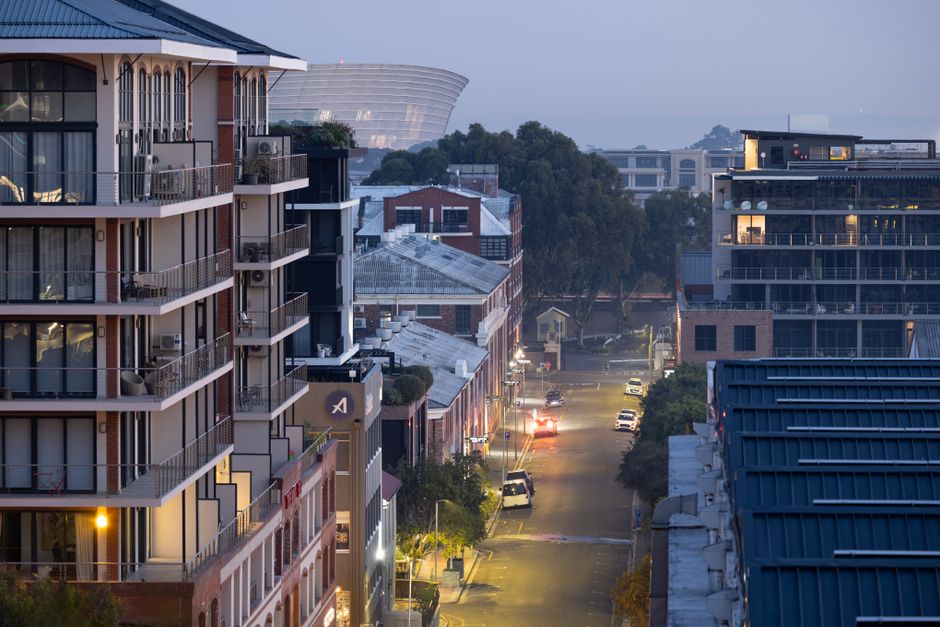
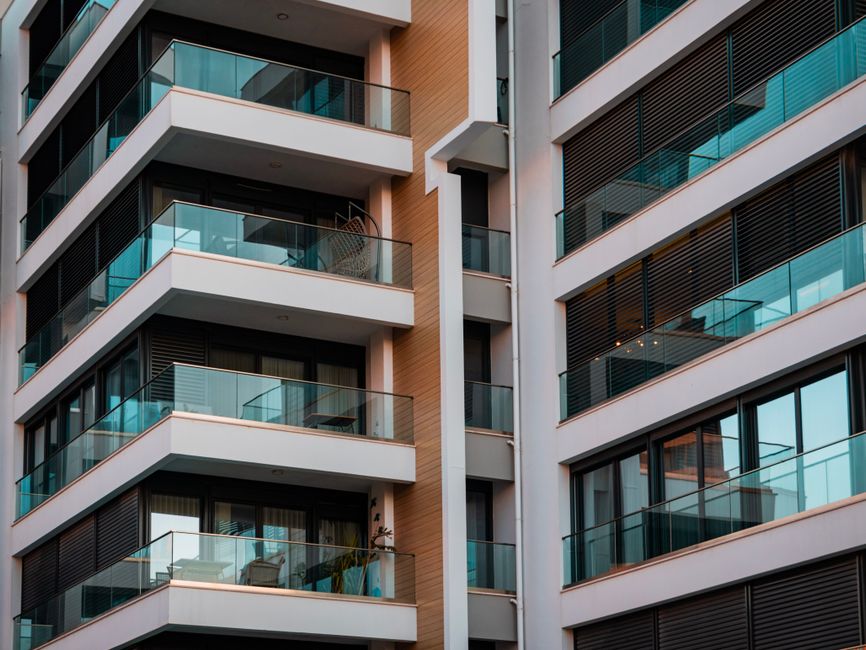
In neighborhoods like Mid-Levels or Tai Hang, family life is defined by the logistics of height. Living space in this city is measured in square feet, not acreage, forcing a unique brand of ingenuity. At the Hong Kong Park Sports Centre, parents often spend their Saturday afternoons rotating between five different extracurriculars—from piano lessons to competitive robotics—because private apartments lack the floor space for a drum set or a full science kit. Unlike the sprawling backyards of suburban Toronto, life here is lived in the elevators of high-rises and the filtered air of shopping malls.
Organizations like the Playright Children’s Play Association have spent years advocating for better urban spaces, but the reality for most remains tethered to structured, vertical enrichment. You see it at the Hong Kong Central Library on a Sunday; the aisles aren’t just for browsing, they are auxiliary study halls where children as young as six are practicing for the Territory-wide System Assessment (TSA) under the watchful eyes of exhausted but focused caregivers.
The Price of Academic Ambition
The financial commitment is equally staggering. Data from the latest survey by the Education Bureau suggests that middle-class families in districts like Sai Kung and Kowloon Tong allocate nearly 35 percent of their monthly household income toward supplementary schooling. With tuition fees at top-tier international schools like the Hong Kong International School (HKIS) reaching upwards of HK$250,000 annually, the pressure to secure a spot in a subsidized local school with a high university entrance rate is immense.
The shift is noticeable this July. With global temperatures climbing and heat warnings common, the city’s reliance on climate-controlled, indoor environments has accelerated. Parents are abandoning the traditional outdoor July playdate in favor of private, air-conditioned workshops at venues like the K11 Musea or the Jockey Club Creative Arts Centre in Shek Kip Mei. This reliance on structured, high-cost environments is not merely a lifestyle choice; it is the fundamental strategy for staying ahead in a city that treats academic mastery as a prerequisite for survival.
Looking ahead to September, the next cohort of families will face the finalization of the Primary One Admission System results. For those who didn't land their first-choice school, the next few weeks involve a grueling process of 'discretionary' appeals and private interviews. My advice to those still waiting: accept that the city’s pace is not negotiable. Invest in a reliable octopus card and a solid network of neighborhood parents. In Hong Kong, you aren't just raising a child; you are navigating a high-speed, high-density infrastructure where the classroom isn't just a room—it’s the entire city.
Covering lifestyle in Hong Kong. This article was generated by AI from the linked sources and was not reviewed by a human editor before publishing. See our editorial standards.