Hong Kong's Intellectual Property Department issued fresh advisory guidance this week warning commercial users that replacing licensed photographs with AI-generated lookalikes — a practice the industry now calls duplicate image replacement — does not automatically extinguish liability under the Copyright Ordinance (Cap. 528). The guidance, dated July 2, 2026, puts advertising agencies, e-commerce operators and media companies on notice at a moment when the technology to clone or closely mimic a licensed image has become cheap and fast.
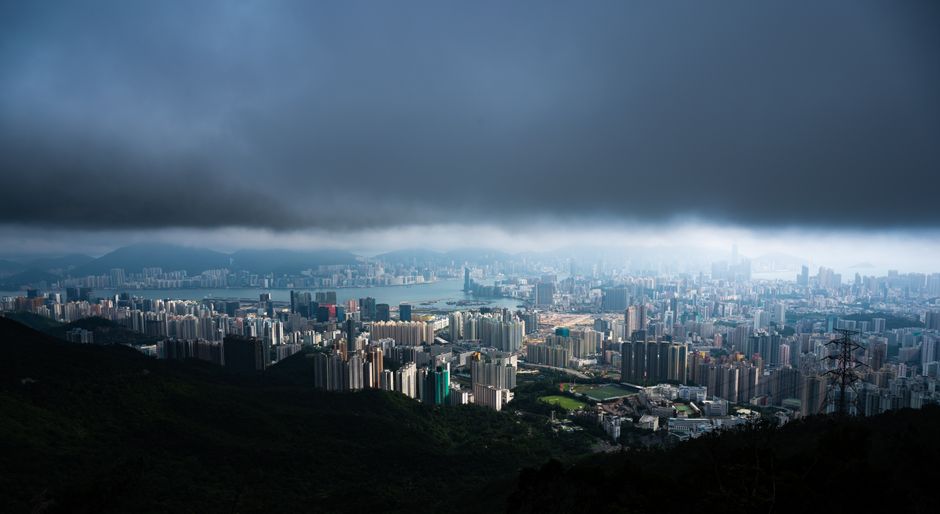
The timing is deliberate. Generative AI tools capable of producing near-identical substitutes for stock photography have been commercially available for under two years, but their adoption across Hong Kong's dense cluster of digital agencies — particularly along the Kwun Tong creative corridor and in the Wan Chai offices of regional media groups — has accelerated sharply in the past six months. The IP Department's move signals that regulators have caught up with a workflow that many studios quietly normalised without legal review.
What the New Guidance Actually Says
The advisory stops short of new legislation but draws a clear line: where an AI-generated image is demonstrably derived from, or substantially similar to, a copyrighted original, the substitution constitutes infringement regardless of the generative step in the middle. It specifically references the 2025 amendment to the Copyright Ordinance that extended protection to certain AI-assisted works, a provision that cuts in both directions — protecting some AI output while also confirming that underlying source material retains its existing protection.
The Hong Kong Design Centre, which runs the DesignInspire programme annually at the Hong Kong Convention and Exhibition Centre in Wan Chai, distributed an internal briefing to member studios on July 3 summarising the department's position. The centre's legal resource unit noted that standard royalty-free licences purchased through platforms such as Getty Images or Shutterstock explicitly prohibit using the licensed image as training data or as a visual reference for AI generation intended to replace that same asset. Violating those terms exposes buyers to civil claims separate from any ordinance liability.
Industry estimates circulating among Kwun Tong-based production houses put the cost of a typical Getty Images extended commercial licence at between HK$3,800 and HK$22,000 per image depending on usage scope. The appeal of replacing such assets with AI-generated alternatives — at a generation cost of effectively cents per image — has been obvious. That calculus now carries legal risk that many studios had not formally priced in.
Practical Fallout Across the Industry
Three of the larger full-service agencies operating in the Cyberport cluster in Pok Fu Lam have already told clients this week that image audits are underway, according to a circular seen by The Daily Hong Kong. The circular, issued by a legal firm on Des Voeux Road Central, recommends that any campaign asset approved before January 1, 2026 and since substituted with AI-generated imagery be reviewed before the end of Q3 2026.
The Hong Kong Photographers' Association, based in Sheung Wan, has been lobbying for precisely this kind of regulatory clarity since late 2024. Photographers argue that duplicate image replacement has directly undercut commercial assignment rates, with day-rate fees for editorial and commercial shoots reportedly declining over the same period that AI image tools surged in use.
For studios and in-house teams trying to get ahead of the guidance, the practical path forward involves three steps: audit existing live campaigns for AI-replaced assets, obtain retroactive licences where original sources can be identified, and build a documented workflow for any future AI image generation that can demonstrate it did not use a protected original as a direct reference. The IP Department has indicated it will issue a fuller compliance framework before the end of September 2026, which gives the industry a narrow window to self-correct before enforcement attention sharpens.