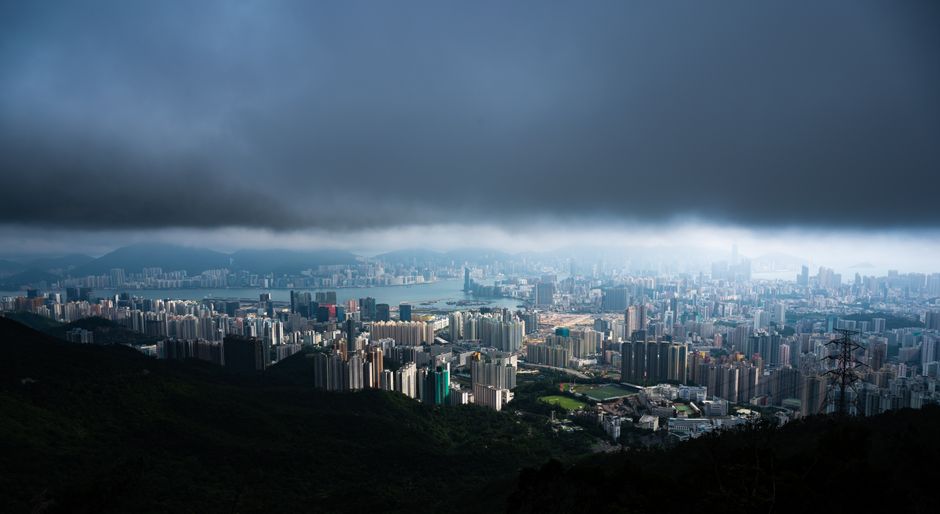
Hong Kong's Copyright Ordinance, last substantively amended in 2022, is now the primary legal instrument being used to tackle the surge in duplicate and AI-replicated images circulating across local e-commerce platforms and social media channels. The problem has accelerated sharply this year, with operators on platforms popular in Mong Kok's wholesale fashion trade and on Hong Kong-registered online marketplaces reporting repeated cases of product photographs being scraped, duplicated, and relisted by competing vendors — often within hours of original upload.
The stakes are not trivial. Hong Kong's digital economy, increasingly critical to the city's pitch as a financial and creative hub competing with Singapore, depends on intellectual property protections that global brands and homegrown startups alike view as a baseline condition for doing business here. The government's drive to anchor more high-tech investment in the Northern Metropolis development zone makes the credibility of those protections more commercially significant than it has been in at least a decade.
What Hong Kong Is Actually Doing
The Intellectual Property Department, headquartered in Kwun Tong, launched a public education campaign in early 2025 specifically targeting image rights online, including a guidance note for small businesses on watermarking standards and reverse-image-search protocols. The department updated its voluntary notification framework — which allows rights holders to flag infringing content to hosting platforms — but critics in the local creative industry have consistently pointed out that the framework carries no binding takedown timeline, leaving photographers and design studios in Sheung Wan waiting weeks for responses that sometimes never come.
The Hong Kong Arts Development Council has separately been running a digital rights literacy programme since January 2026, reaching roughly 3,400 registered creative practitioners through workshops held at venues including the PMQ design hub in Central and the Jockey Club Creative Arts Centre in Shek Kip Mei. The programme covers duplicate image identification tools such as TinEye and Google Lens, and explains how to file copyright complaints under the current ordinance. Uptake has been steady, though participation skews heavily toward designers and photographers already alert to the problem rather than the small retailers who generate the bulk of reported infringement cases.
The Gap Between Hong Kong, Singapore and London
Singapore moved faster. The city-state's Intellectual Property Office introduced mandatory platform response windows for duplicate-image takedown requests in amendments that took effect in March 2025, requiring hosting services to acknowledge complaints within 48 hours and act within 14 days or face regulatory escalation. The framework draws on the European Union's Digital Services Act model, which London-based platforms have been subject to since the UK's Online Safety Act added IP-adjacent provisions in late 2024. Neither framework is perfect — London-based rights holders still complain about enforcement gaps on non-EU-registered platforms — but the contrast with Hong Kong's voluntary system is visible in practice.
Hong Kong's courts remain an option. The High Court on Queensway has handled a small number of civil image-rights cases in the past 18 months, with legal costs that make litigation practical only for companies with significant resources. Filing fees alone for a copyright action in the District Court start at several thousand Hong Kong dollars, and full proceedings regularly run into six figures before resolution. That arithmetic shuts most independent photographers and micro-businesses out of formal redress entirely.
The government has indicated it is reviewing platform liability provisions as part of a broader intellectual property consultation expected to conclude by the end of 2026. Industry groups representing creative businesses in Wan Chai and Kwun Tong have submitted recommendations calling for a statutory takedown window modelled closely on Singapore's approach. Whether the final proposals match that ambition will depend heavily on how the government weighs platform operators' lobbying against the demands of a creative sector already thinned by emigration. For now, anyone whose product photography turns up on a competitor's listing is better served by documenting the infringement carefully, filing with the Intellectual Property Department's online portal, and preparing for a slow process — not a swift one.