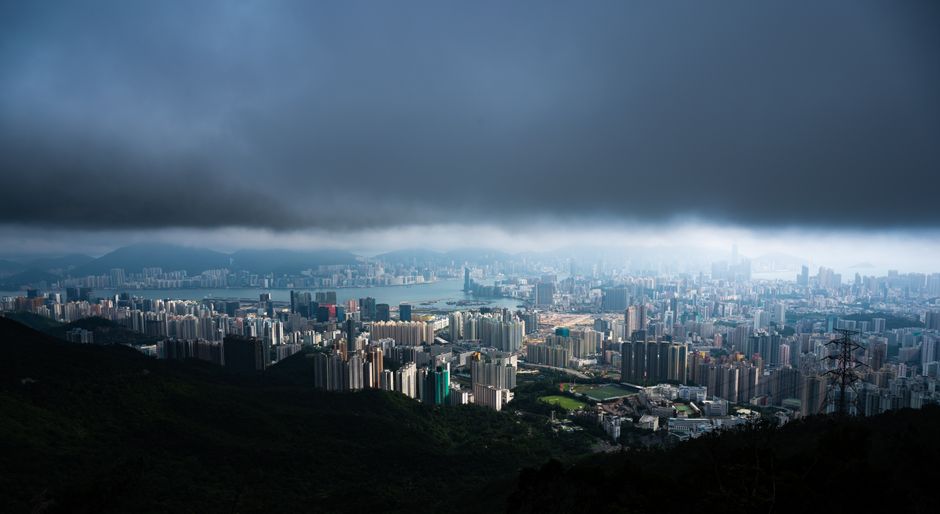
Hong Kong's digital production sector is confronting a fast-moving shift in how images are sourced, replaced and verified, as AI-powered duplicate image replacement tools moved from niche software into mainstream commercial use this week. Several Cyberport-based startups and design agencies in the Kwun Tong industrial belt confirmed they are actively revising internal workflows after clients flagged concerns about unlicensed or repeated visual assets appearing in delivered work.
The timing matters. Hong Kong is pushing hard to position itself as a regional hub for digital creativity and fintech, with the government's Innovation and Technology Bureau rolling out a series of incentives under the I&T Development Blueprint. Into that environment, AI tools capable of scanning a document, website or marketing deck and automatically substituting duplicate or flagged images with generated replacements are arriving faster than legal frameworks or industry standards can absorb them.
What Happened This Week
Multiple production houses operating out of Kowloon Bay and Wong Chuk Hang reported this week that clients — including retail chains and financial services firms — had begun requesting contractual guarantees that no AI-generated replacement imagery would be inserted into final deliverables without explicit sign-off. The requests reflect growing anxiety around provenance: if a tool silently swaps a stock photograph for an AI-generated lookalike, who holds liability if the replacement image later proves problematic?
The Hong Kong Design Centre, based at PMQ in Central, circulated a note to members this week flagging the issue as an emerging professional concern. Separately, the Hong Kong Productivity Council — which runs digital transformation programs for small and medium enterprises across industries — added duplicate image validation to a checklist it provides to SMEs adopting AI-assisted content tools. Neither organisation has yet issued a formal policy, but the signals from both suggest the sector is treating this as a live compliance question rather than a theoretical one.
Globally, the market for AI image tools is expanding at pace. Industry analysts tracking creative software licensing put the number of enterprise subscriptions to AI image platforms above 40 million worldwide by the end of 2025, a figure that has informed how quickly vendors are pushing new features — including automated duplicate detection and replacement — into standard packages rather than premium tiers. In Hong Kong specifically, the Copyright Ordinance (Cap. 528) does not currently contain provisions that directly address AI-generated substitution of licensed images, leaving creative agencies operating in a legal grey zone.
The Practical Pressure on Local Studios
For smaller studios, the calculus is blunt. A design agency on Hoi Yuen Road in Kwun Tong, for example, might use a subscription to a platform like Adobe Express or Canva Pro — both widely used across Hong Kong's SME tier — that now bundles AI replacement features by default. If a designer does not manually audit every image in a 40-page brand deck, the software may have already substituted two or three flagged duplicates without a visible alert. The client receives a clean file; the paper trail for the original licensed asset disappears.
The Intellectual Property Department, which sits under the Commerce and Economic Development Bureau, has not yet issued guidance specific to AI image replacement. Industry practitioners say they are watching for any update before the bureau's next policy review cycle, expected in the fourth quarter of 2026.
For businesses operating in Hong Kong right now, the practical advice circulating through the design community is straightforward: audit tools before renewing subscriptions, add image-provenance clauses to client contracts, and — where AI replacement features cannot be disabled — document every substitution in a revision log. Agencies working on campaigns for Mainland clients via the Greater Bay Area corridor face an additional layer of complexity, since China's own AI content regulations, updated in 2025, impose labelling requirements that do not automatically align with Hong Kong practice. Getting ahead of the paperwork now is considerably cheaper than resolving a dispute later.