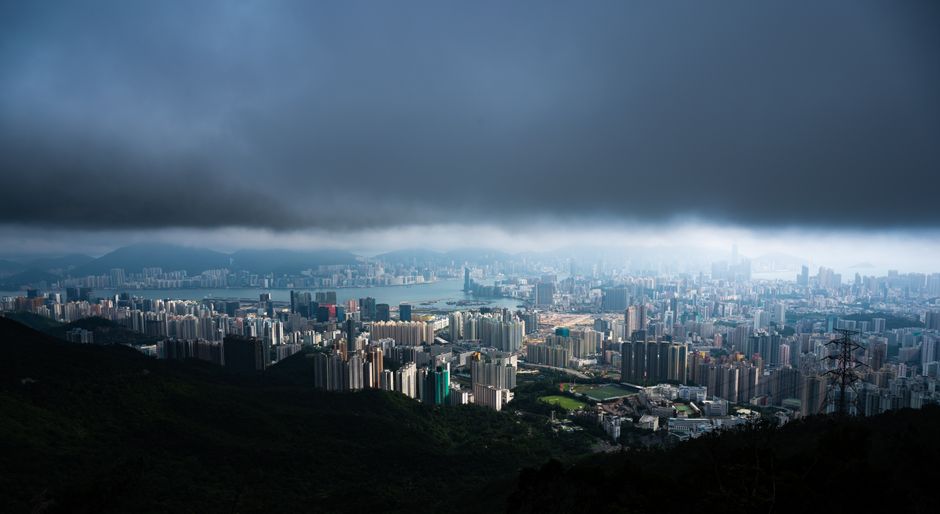
Hong Kong's property portals are sitting on a growing problem. Duplicate and recycled images — the same flat photographed years ago, dressed up to represent a current listing — have become routine across platforms serving buyers and renters from Mong Kok to Tseung Kwan O. The scale is significant enough that the Estate Agents Authority quietly expanded its complaints-handling unit in early 2026 to include a dedicated digital-content review stream, according to the EAA's publicly posted operational update from February.
The timing is not accidental. Hong Kong's residential transaction volumes have recovered cautiously since the government scrapped all remaining stamp duty cooling measures in February 2024, pulling more buyers back to portals like Centaline Property and Midland Realty. When more people are searching, duplicate and misleading imagery causes more direct financial harm — tenants travelling to Sham Shui Po for viewings that bear no resemblance to advertised photographs, or buyers in Quarry Bay making deposit decisions based on unit conditions that no longer exist.
How Hong Kong Compares to Singapore
Singapore moved earlier. The Council for Estate Agencies there mandated verified photo-tagging for all residential listings on PropertyGuru and 99.co starting in January 2025, requiring agents to submit images with embedded metadata confirming the shoot date and the agent's licence number. Hong Kong has no equivalent requirement yet. The EAA's current Code of Ethics obliges agents to ensure listings are accurate, but there is no technical standard specifying how images must be verified or how old a photograph can be before it is considered misleading.
The gap matters because both cities are competing for the same pool of internationally mobile professionals. A financial-sector worker relocating from London or Frankfurt will compare listings across both markets simultaneously. Agents in Hong Kong's Central and Wan Chai districts report — anecdotally, without formal survey data — that clients increasingly cite Singapore's cleaner portal experience as a reference point when complaining about Hong Kong listings.
Tokyo provides a different model. Japan's Real Estate Information Network System, known as REINS, cross-references listing images against a central database and flags images reused across more than one active listing. The system is imperfect — analysts at Nomura Research Institute noted in a 2024 report that it catches roughly 60 percent of duplicate images — but it represents infrastructure Hong Kong does not yet have.
What Hong Kong Platforms Are Actually Doing
Locally, the most concrete action has come from Squarefoot.com.hk, which introduced an internal image-hash comparison tool in late 2025. The tool flags listings where submitted photographs match images already stored in its database from previous listings. Squarefoot has not published performance data for the tool, but the company announced its rollout in a November 2025 press statement. PropertySearch.hk, a smaller competitor, has not announced comparable measures.
The Urban Renewal Authority, which manages redevelopment projects across districts including Yau Ma Tei and To Kwa Wan, has separately flagged image misrepresentation as a concern in areas where its acquisition notices affect nearby private-market valuations. Properties adjacent to URA project boundaries are particularly vulnerable to recycled imagery that obscures current construction disruption.
Hong Kong's existing legislative tools are blunt. The Trade Descriptions Ordinance covers misleading commercial practices and could theoretically apply to deceptive property images, but enforcement against estate agents for image-related breaches has been rare. The EAA has the power to discipline licensees, with penalties ranging from reprimand to licence revocation, but no case focused specifically on duplicate imagery has entered the public record of disciplinary findings through 2025.
The EAA's February operational update suggested the authority is considering a formal consultation on image-verification standards, with any new guidelines unlikely to take effect before mid-2027. Until then, buyers and renters working through Wan Chai or Kennedy Town agents should ask explicitly for the photograph date, request a video walkthrough conducted within the past 30 days, and check whether the listing image metadata — visible in most modern browsers — carries a creation date consistent with the advertised availability.