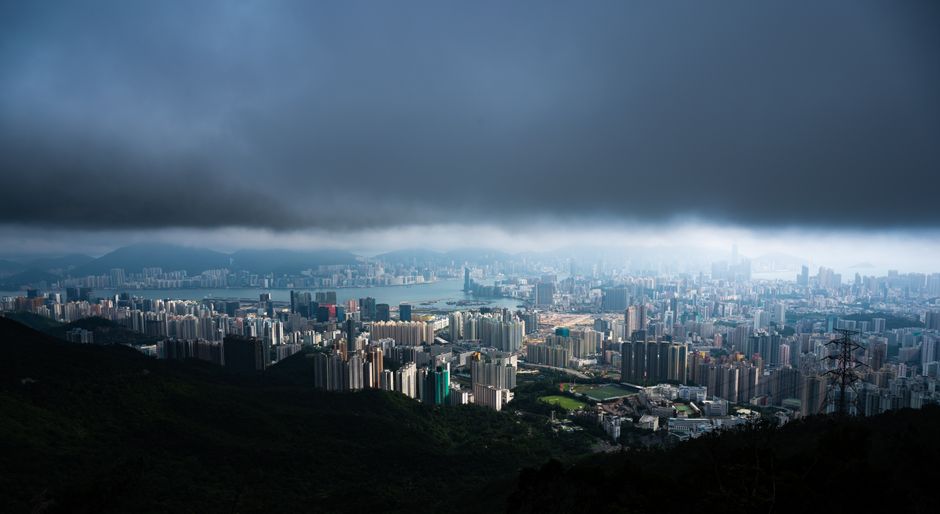
At least three Hong Kong-registered e-commerce businesses received formal takedown notices this week after AI-powered duplicate image replacement tools automatically substituted original product photographs with visually similar, algorithmically generated alternatives — triggering copyright complaints from the photographers who shot the originals. The incidents, which occurred across platforms operating out of Kwun Tong and Tsuen Wan industrial units repurposed as fulfilment centres, mark what intellectual property lawyers here are calling a significant moment for the city's digital commerce sector.
The technology itself is not new. Duplicate image replacement — software that detects near-identical or legally encumbered images and swaps them for synthetic substitutes — has been circulating in mainland Chinese developer communities since at least 2023. What changed this week is the scale of deployment. Several tools integrated directly with Hong Kong-facing storefronts began running automated replacement cycles without individual seller authorisation, according to complaints filed with the Hong Kong Customs and Excise Department's intellectual property branch.
Why This Matters for Hong Kong Commerce Right Now
Hong Kong's retail and logistics sectors have been under pressure to digitise faster since footfall on Nathan Road and in Causeway Bay's Times Square mall complex dropped sharply after 2020. That scramble pushed smaller merchants toward low-cost, automated inventory management systems, many of which bundle image-optimisation features as default settings. The problem is that those bundled tools rarely carry disclosure language that meets the threshold set under the Copyright Ordinance, Cap. 528.
HKTVmall, the city's largest local e-commerce platform with operations headquartered in Tseung Kwan O, confirmed this week that it had identified irregular image substitution activity affecting a subset of third-party seller listings. The platform did not specify how many listings were affected, but said its seller services team was reviewing the relevant accounts. The Hong Kong Arts Development Council, which funds commercial photography training through its Create HK initiative, has separately flagged the issue to the Commerce and Economic Development Bureau, citing concern that automated replacement undermines the livelihoods of local image makers.
Registered members of the Hong Kong Institute of Professional Photographers have been circulating internal guidance since Wednesday, warning members to audit their licensing agreements with any platform that uses AI-assisted catalogue management. The institute, based near the Sheung Wan waterfront, has roughly 400 active members across commercial, editorial and wedding photography.
The Copyright Exposure Is Real
Under the Copyright Ordinance as amended in 2022, secondary infringement liability can attach to a platform that distributes infringing copies even without direct knowledge, provided that a rights holder can show the platform had reasonable grounds to suspect infringement. The week's incidents are the first time that provision has been cited in complaints specifically involving AI replacement pipelines, rather than straightforward piracy.
Legal costs for a standard intellectual property dispute before the District Court in Admiralty start at around HK$50,000 in lawyer fees before any damages are assessed. For small Kwun Tong-based operators running on thin fulfilment margins, even a preliminary injunction application can be commercially fatal. One widely cited benchmark from a 2024 Hong Kong Productivity Council report put the average annual technology spend for small e-commerce operators in the city at HK$38,000 — meaning a single legal dispute can exceed their entire annual tech budget.
The broader timing is uncomfortable. Hong Kong is in the middle of a push to position itself as an AI innovation hub under the 2024 Policy Address commitments, with InvestHK actively courting AI startups to set up in the Cyberport campus in Pok Fu Lam. Regulatory friction around image-replacement tools risks complicating that pitch if the legal framework is seen as ambiguous or slow to adapt.
Sellers using any platform with automated image optimisation enabled should audit those settings immediately and request written confirmation of the tool's licensing sourcing logic before the next inventory cycle. The Commerce and Economic Development Bureau has not yet announced a formal review, but legal observers expect the Intellectual Property Department to issue guidance before the end of July. Photographers with active licensing arrangements should document all current placements now, before further automated substitution makes provenance harder to trace.