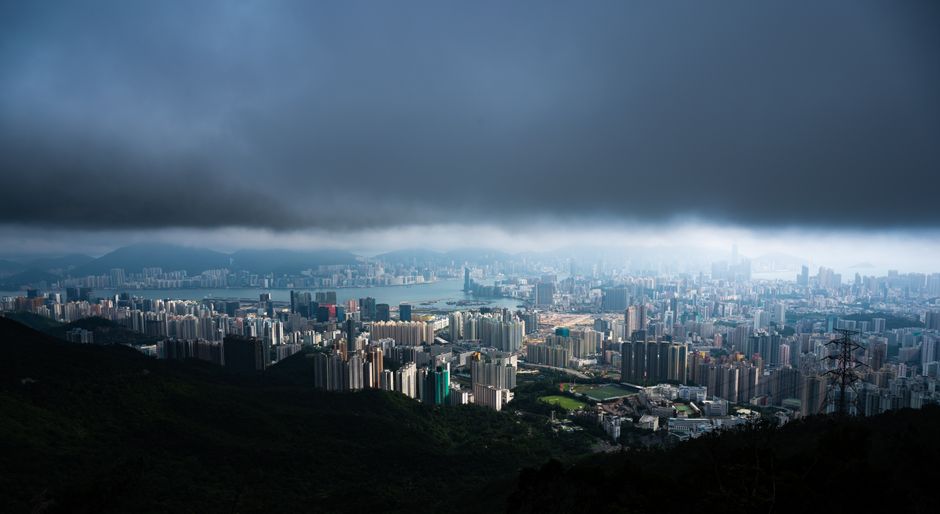
Hong Kong's Intellectual Property Department recorded a measurable uptick in duplicate-image complaints from local businesses and content creators in the 12 months to March 2026, as the problem of unauthorised image reproduction online outpaced the city's enforcement tools. The core issue is straightforward: the same photograph, graphic, or AI-synthesised visual appearing across multiple commercial and editorial platforms without authorisation, often stripping original creators of attribution and revenue.
The timing matters. Hong Kong is pushing hard to defend its position as a regional financial and creative hub against Singapore, and persistent uncertainty around digital copyright enforcement has become a quiet liability. Companies listing on the Hong Kong Stock Exchange, including those in the Greater Bay Area tech corridor, routinely publish prospectuses, annual reports, and investor materials laden with imagery. When that imagery turns up duplicated — or when original assets are cloned by generative tools — the legal exposure compounds fast.
How the Problem Built Up Over Years
The roots go back to the Copyright (Amendment) Bill that stalled repeatedly in LegCo before a version finally passed in 2022 following the reconstituted legislature's first full session after political reforms. Even that update, which brought Hong Kong's copyright framework closer to international norms, left ambiguities around machine-generated content that were unresolved at the time. The Intellectual Property Department, headquartered on Queensway in Admiralty, has since been working through a consultation process on AI and copyright — but that process has moved slowly against a backdrop of rapid technological change.
Meanwhile, the city's creative industry, concentrated in areas like Kwun Tong's industrial-turned-arts district and the design studios clustered around Wong Chuk Hang, found itself in a practical bind. Small agencies could neither afford litigation nor rely on platforms like Google, Meta, or domestic mainland counterparts to respond consistently to takedown requests. The Hong Kong Design Centre, based in the PMQ complex in Central, has flagged digital rights as a growing concern for local practitioners in its annual industry surveys, though formal aggregate enforcement data from the government remains limited.
The generative AI wave accelerated everything. By early 2025, tools capable of reproducing stylistically identical versions of a photographer's portfolio or a graphic designer's brand assets had become widely accessible. The problem is not merely commercial. News organisations, including those covering the city from offices on Wanchai's Lockhart Road and Causeway Bay's Percival Street, found archival images reproduced without licence on social channels and content farms operating from jurisdictions outside Hong Kong's reach.
What Enforcement Looks Like Now
The Customs and Excise Department, which handles criminal copyright enforcement alongside the IP Department's civil and advisory role, told industry groups in late 2025 that digital image duplication cases were among the fastest-growing categories it was receiving referrals about, though it has not published a standalone breakdown by content type. Civil litigation through the District Court remains the primary remedy for most affected parties, a route that costs upwards of HK$50,000 in legal fees before a case reaches a hearing, according to published fee schedules from mid-sized IP law firms in Central.
Comparison with Singapore is instructive. Singapore's Intellectual Property Office finalised an AI and copyright framework in mid-2024, giving creators clearer disclosure requirements when AI tools are used in commercial image production. Hong Kong has not yet matched that step, and several creative industry bodies have pressed the Innovation, Technology and Industry Bureau to move the pending consultation toward a legislative proposal before the end of the current LegCo session in 2027.
For content creators and businesses operating in Hong Kong now, the practical advice from IP practitioners is consistent: register original works with the Copyright Licensing Body of Hong Kong, maintain timestamped creation records, and document any AI tools used in production. Reverse-image search monitoring — run weekly rather than monthly — has become standard practice at several local digital agencies. None of that is a structural fix. It is, however, the most reliable line of defence while the city works toward a regulatory framework that reflects how images actually move in 2026.