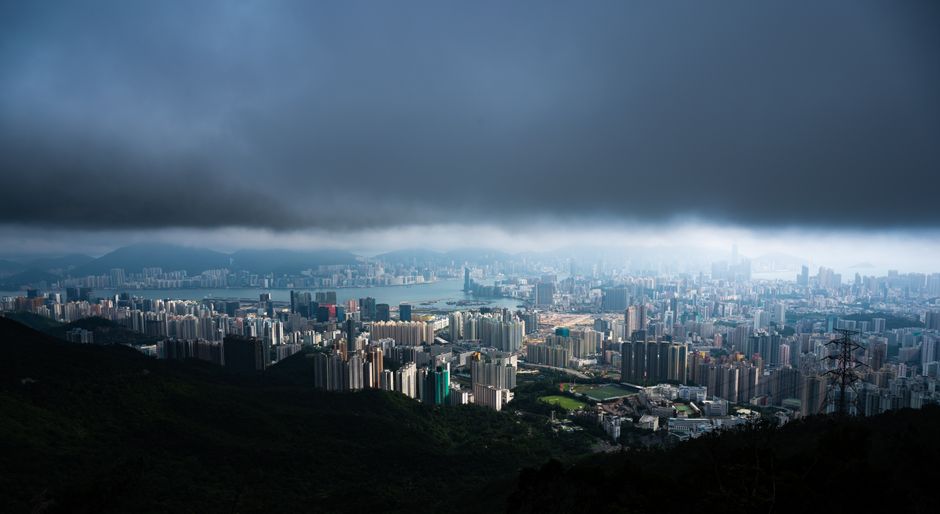
Hong Kong's property portals are carrying thousands of listings that use recycled, misrepresented or outright duplicate photographs — images lifted from other properties, earlier tenancies, or stock libraries and passed off as accurate representations of flats currently on the market. The practice is not new, but complaints to the Estate Agents Authority have climbed in recent months, and the consequences for ordinary residents trying to find a home in one of the world's costliest cities are becoming harder to ignore.
The timing matters. With average monthly rents for a 400-square-foot flat in Mong Kok running above HK$12,000 and one-bedroom units in Mid-Levels regularly advertised above HK$20,000, prospective tenants are making significant financial commitments based on photographs they see online before ever stepping through a door. When those photographs show a sunny, freshly renovated interior that bears no resemblance to a damp, subdivided unit in the same block, the gap between digital presentation and physical reality translates directly into wasted deposits, aborted moves and, in the worst cases, tenants locked into leases they would have rejected had they known the truth.
What Duplicate Images Actually Do to Flat-Hunters
The mechanics are straightforward. An agent photographs a unit, rents it out, then reuses those same images when a different — usually worse — flat in the same building comes onto the books. Alternatively, a landlord pulls photographs from a completed renovation project in, say, Taikoo Shing or Whampoa Garden and applies them to a unit that has not been touched since the 1990s. Property search platforms including Centaline's Centadata portal and HKEX-listed Midland Realty's listings site both carry disclaimers about image accuracy, but enforcement is limited to flagging by users after the fact.
For the city's significant population of newly arrived residents — including professionals relocating from the Mainland under the Top Talent Pass Scheme, which the government relaunched in late 2022 and which had processed more than 70,000 applications by the end of 2024 — the problem is acute. These flat-hunters are frequently conducting initial searches remotely, relying entirely on digital imagery before arriving in Hong Kong. A misleading photograph in Quarry Bay is a minor frustration for a local resident who can visit the flat on a lunch break; for someone landing at Hong Kong International Airport with two suitcases and a two-week hotel booking, it can derail an entire relocation.
The Estate Agents Authority, which licenses roughly 38,000 estate agents and salespersons across Hong Kong, maintains a code of practice that requires accurate representation of properties. Agents found to have used deliberately deceptive images face disciplinary proceedings, fines or licence suspension. But the Authority's published disciplinary records — accessible through its website at eaa.org.hk — show that image-related complaints tend to resolve slowly, often taking six months or more to conclude. In the meantime, the misleading listing stays live.
Pressure Growing for Platform-Level Accountability
Consumer advocacy groups including the Consumer Council, which publishes its complaints data quarterly, have pushed for property platforms to implement automated duplicate-image detection before listings go live rather than relying on post-publication reports. Several European property markets, including the Dutch platform Funda, have integrated such checks at the upload stage. Hong Kong's platforms have not yet moved in that direction, though the Consumer Council's 2025 annual report flagged property misrepresentation as a growing category of complaint.
For residents navigating the market right now, the practical guidance from consumer advocates is consistent: insist on a video call walkthrough before paying any holding deposit, cross-reference listing photographs against Google Street View for exteriors, and use the Lands Registry's IRIS online search to verify the exact floor area of a flat before signing anything. The Lands Registry charges HK$9 per document for most property searches — a small outlay against the risk of committing to a flat that exists, on paper and in photographs, as something it is not.
The Estate Agents Authority says it is reviewing its code of practice guidelines on digital marketing materials, though no revised publication date has been announced. Until that review produces enforceable standards with teeth, the burden of due diligence stays squarely with the person least able to bear it: the person who needs somewhere to live.