Hong Kong's digital image replacement market is at a crossroads, with the recent implementation of stricter regulations on online advertising and the growing demand for more sophisticated digital content. The key fact is that the Hong Kong government has announced plans to increase funding for the development of local digital creative industries, with a focus on supporting small and medium-sized enterprises (SMEs) in the sector.
This matters now because the city's economy is heavily reliant on its financial and trade sectors, but there is a growing recognition of the need to diversify and develop new industries. The digital image replacement market is seen as a key area of growth, with the potential to create new job opportunities and drive innovation. However, the market is also highly competitive, with many international companies already established in the city. As a result, local businesses must be able to navigate the challenges of the market and make key decisions about how to invest in their digital capabilities.
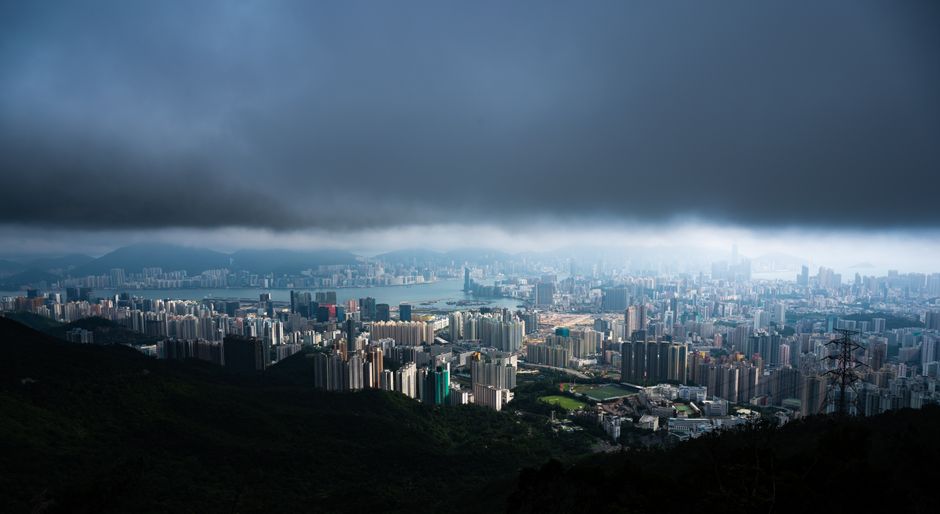
In Hong Kong, the digital image replacement market is particularly active in areas such as Causeway Bay and Wan Chai, where many advertising and media companies are based. Organisations such as the Hong Kong Design Centre and the Hong Kong Productivity Council are also playing a key role in supporting the development of the local digital creative industries. For example, the Hong Kong Design Centre has launched a number of initiatives to support local designers and businesses, including the Design Smart programme, which provides funding and mentorship to start-ups and SMEs in the design sector.
According to data from the Hong Kong government, the city's digital economy is expected to grow by 10% per year over the next five years, with the digital image replacement market seen as a key driver of this growth. In terms of specific statistics, a report by the Hong Kong Productivity Council found that the average cost of digital image replacement services in Hong Kong is around HK$5,000 per project, although this can vary depending on the complexity of the project and the level of expertise required. As of 2025, the Hong Kong government has also announced plans to invest HK$100 million in the development of the local digital creative industries over the next three years.
Key Decisions Ahead
So what happens next for Hong Kong's digital image replacement market? One key decision that businesses will need to make is how to invest in their digital capabilities, including the development of new skills and technologies. This may involve partnering with other companies or organisations, such as the Hong Kong Design Centre or the Hong Kong Productivity Council, to access funding and expertise. Businesses will also need to consider how to navigate the challenges of the market, including the need to comply with stricter regulations on online advertising and the growing demand for more sophisticated digital content.
In practical terms, this may involve investing in new technologies such as artificial intelligence (AI) and machine learning (ML), which can help to improve the efficiency and effectiveness of digital image replacement services. Businesses may also need to consider how to develop new skills and expertise, such as data analysis and digital marketing, to support the growth of their digital capabilities. Ultimately, the key to success in Hong Kong's digital image replacement market will be the ability to navigate the challenges and opportunities of the market, and to make key decisions about how to invest in digital capabilities and support the growth of the local digital creative industries.