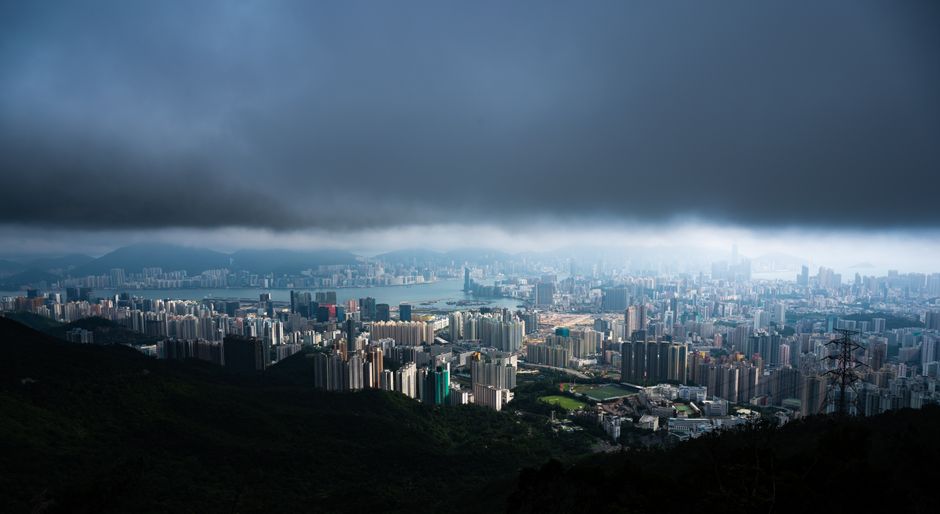
Hong Kong's Estate Agents Authority confirmed last month that complaints about misleading property images filed with the regulator had risen 34 percent year-on-year, reaching 412 formal submissions in the first half of 2026 alone. The figure marks the highest recorded volume since the EAA began tracking the category separately in its 2019 annual report, and it has pushed the issue from a background grumble among buyers into a live regulatory concern.
The timing matters. With transaction volumes on Hong Kong Island and in Kowloon still recovering from the post-2021 correction — secondary market deals in the first quarter of 2026 ran roughly 18 percent below the five-year average, according to Midland Realty data — agents competing for a shrinking pool of listings have faced mounting pressure to make units look more attractive online than they are in person. Duplicate images, photographs transplanted from entirely different floors or even different buildings, and digitally altered shots have all featured in EAA investigations this year.
A Problem Decades in the Making
The practice did not begin with smartphones or social media. Property insiders trace its roots to the classified-ad era of the 1990s, when a single blurry photograph in the South China Morning Post or the Apple Daily property supplement was enough to generate a viewing. The incentive to reuse a flattering image of a renovated unit across multiple, shabbier listings was obvious and largely unpoliced.
Digital portals changed the scale dramatically. When Squarefoot.com.hk and 28hse launched in the mid-2000s, an agent could upload the same glossy shot across dozens of listings simultaneously with a few clicks. The EAA's Estate Agents Ordinance, last substantively amended in 1997, gave the authority tools to pursue misrepresentation but lacked specific provisions addressing digital image duplication. Enforcement actions tended to focus on price manipulation and undisclosed commissions — categories that generated larger financial harm and cleaner paper trails.
The construction boom around the West Kowloon Cultural District in the mid-2010s accelerated the problem further. New developments in Cheung Sha Wan and Sham Shui Po were often marketed off-plan, with developer-supplied renders standing in for actual unit photographs. When those units eventually resold on the secondary market, the original glossy renders sometimes re-entered circulation attached to listings for adjacent, unrelated properties. By 2020, reverse-image searches on Centaline's online portal were surfacing the same interior photograph attached to listings in Tuen Mun and Quarry Bay simultaneously.
What Changed, and What Comes Next
Two developments in the past eighteen months sharpened official attention. First, the EAA published revised practice circulars in December 2024 requiring agents to certify that uploaded images relate specifically to the property being advertised. Second, a cluster of complaints from buyers who purchased units in a Hung Hom residential block after viewing photographs that turned out to depict a show flat in a completely separate Kai Tak development prompted a formal investigation — one that is still open.
The authority has indicated it will consult the industry on potential amendments to the Estate Agents Practice (General Duties and Hong Kong Residential Properties) Regulation before the end of 2026. Consumer watchdog the Consumer Council has separately called for a standardised image-tagging framework, similar to systems piloted in London and Singapore, that would embed verifiable geolocation and timestamp metadata into listing photographs at the point of upload.
For buyers navigating the current market, the practical advice from property lawyers in Central is straightforward: request the specific address and floor plan reference for every photograph shown during a viewing, and cross-reference images against the Land Registry's IRIS database before signing any provisional sale and purchase agreement. The IRIS system, accessible online for HK$27 per search, includes the official government survey photographs attached to each registered property record. That gap between what appears on a listing portal and what the Land Registry holds is, ultimately, where the duplicate image problem lives — and where any durable fix will have to start.