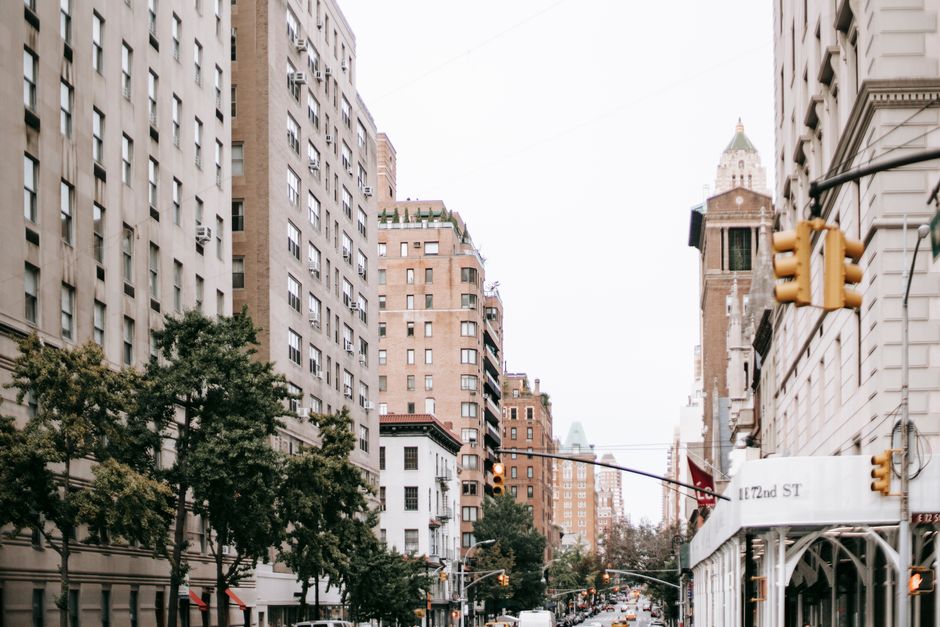
The heat index hit 42 degrees Celsius in Kwun Tong on three consecutive afternoons last month. Residents in the low-income blocks along Ngau Tau Kok Road say they barely left their flats. One mother of two described keeping her children indoors for eleven days straight, running a single ageing air-conditioning unit around the clock and dreading the electricity bill. She is not unusual. Across the city this summer, Hong Kongers in dense, less-affluent districts are bearing the sharpest edge of what climate researchers at the University of Hong Kong have called the city's most intense urban heat stress period on record.
The timing matters. Hong Kong's government tabled its updated Climate Action Plan 2050 targets in late 2025, pledging carbon neutrality by mid-century and a 50 percent reduction in carbon emissions from 2005 levels by 2035. Those commitments, ambitious on paper, now face scrutiny from residents who say the gap between policy language and street-level reality is widening. Globally, events this week — including brutal heat cancellations of public gatherings from Washington to Philadelphia — have underscored that no wealthy city is immune. Hong Kong, sitting at the confluence of South China Sea humidity and intensifying typhoon-adjacent weather systems, faces its own compounding version of that problem.
Estates on the Front Line
In Sham Shui Po, community organisers at the non-profit St. James' Settlement, which runs social services across several of the district's public housing blocks, have been fielding a surge of calls from elderly residents unable to manage heat-related illness. The neighbourhood's narrow streets and dense mid-rise buildings trap heat through the night, with residents reporting indoor temperatures above 30 degrees even after midnight despite open windows. The Meteorological Observatory's records show the urban heat island effect in older districts like Sham Shui Po now adds up to 3.5 degrees Celsius compared with suburban reference points.
Tuen Mun tells a different story — sprawl rather than density — but residents there are equally vocal. The waterfront near Gold Coast has suffered repeated algae bloom events that closed recreational beaches for weeks at a time this season, affecting swimmers and the small operators who rent out paddleboards and kayaks along Castle Peak Road. Local fishermen's groups say catches in the western waters of Lantau have dropped sharply over the past five years, a trend they link directly to rising sea temperatures and deteriorating water quality in the Pearl River estuary.
The environmental group Green Sense, which has maintained air quality monitoring stations in 18 Hong Kong districts, published data in June showing that roadside nitrogen dioxide levels along Nathan Road in Mong Kok exceeded the World Health Organisation's annual guideline of 40 micrograms per cubic metre on 74 separate days in the first half of 2026 alone. Particulate matter readings in parts of Kwai Chung remained above safe thresholds for children on more than a third of school days since January. Parents at several primary schools in the area have begun organising informal air quality alerts through WhatsApp groups, pulling kids from outdoor play when readings spike.
What Comes Next
The Environmental Protection Department is scheduled to release its mid-year review of the City's Clean Air Plan in September, which will include updated projections for roadside emission reductions tied to the Electric Bus Transition Programme — a scheme requiring all newly franchised public buses to be electric from 2027. KMB and Citybus between them operate roughly 5,800 buses; as of April, fewer than 400 were electric. Closing that gap quickly enough to matter to a child with asthma in Kwai Chung is the central question advocates are pressing officials to answer.
Residents and community groups say they do not want more consultation exercises. Several groups, including the Sham Shui Po District Council's environmental affairs subcommittee, are pushing for mandatory heat vulnerability mapping of public housing estates by the end of the year, with direct links to CLP and HK Electric subsidy programmes for low-income households. For the woman on Ngau Tau Kok Road, the ask is simpler: someone in government should spend a night in her flat in July before deciding the current plan is enough.