Hong Kong's media and digital publishing industry is confronting a concrete, unglamorous problem that has quietly grown into a significant operational headache: duplicate and replacement images embedded across years of archived content. The immediate question facing editors, platform engineers and legal teams is not whether to act, but which path to take — and how fast.
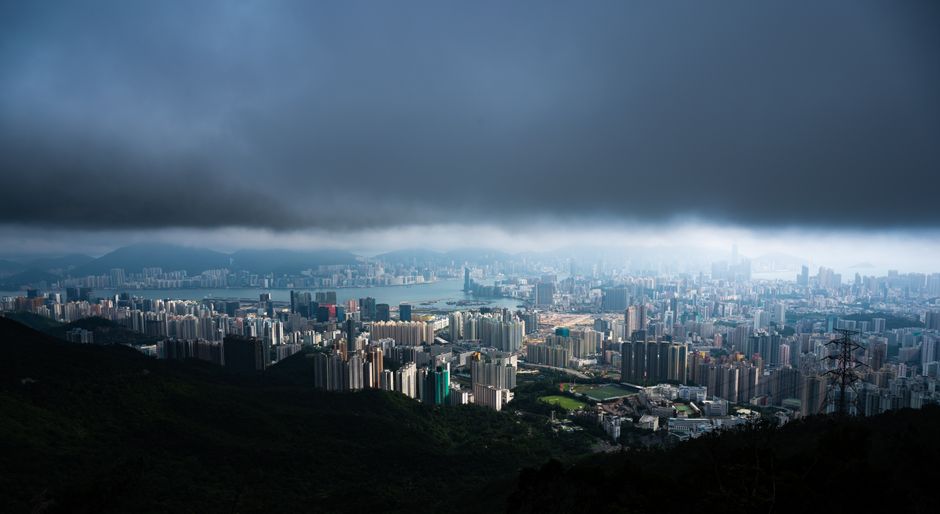
The issue has sharpened in 2026 as AI-generated imagery becomes cheaper to produce and easier to pass off as original photography. Content farms supplying lifestyle, finance and property portals in Wan Chai and Kwun Tong have been identified internally by several publishers as significant sources of repeated visual assets — the same stock photograph of, say, a generic skyline or a courtroom gavel appearing dozens of times under different metadata tags.
Why the Stakes Are Higher Now
Hong Kong's status as a regional financial and media hub makes the reputational cost of sloppy image management unusually steep. Advertisers placing campaigns alongside editorial content on platforms operated from Cyberport and the Hong Kong Science Park increasingly audit visual originality as part of brand-safety checks. Failing those audits can trigger contract penalty clauses, and at least two regional brands pulled display budgets from local digital outlets earlier this year after their own brand-safety tools flagged repeated image fingerprints.
There is also a legal dimension. The Copyright Ordinance, last substantively amended in 2022, does not yet have explicit provisions addressing AI-generated image duplication at scale, but the Intellectual Property Department has signalled in published guidance that existing licensing frameworks still apply to derivative or re-used visual works. Publishers who cannot demonstrate clear provenance for archive images face exposure — particularly those whose content reaches Mainland audiences through Greater Bay Area distribution agreements.
The Hong Kong Press Photographers Association, based in Sheung Wan, has been pushing for clearer newsroom protocols since early 2025. The association's published guidelines recommend that newsrooms audit visual databases against perceptual hash libraries — software tools that detect near-identical images even when file names or metadata have been changed. Several newsrooms on Lockhart Road and in the Causeway Bay publishing cluster have begun pilots, but full implementation has stalled over budget approvals and IT resourcing.
What the Next Six Months Look Like
Three decisions will define how quickly the industry moves. First, whether the Hong Kong Communications Authority issues formal guidance on image provenance standards before the end of 2026 — something it has not yet committed to publicly. Second, whether Cyberport-based tech startups developing local content-verification tools can secure Series A funding in a market where investor appetite for media-adjacent software has been cautious since 2024. Third, whether the city's larger publishers — including those operating under the HKMA Tower cluster in Central — adopt a shared image-verification database, an idea that has been floated at industry roundtables but never formally tabled.
The practical cost of inaction is not abstract. A perceptual hashing audit of a mid-sized Hong Kong digital publication with roughly 200,000 archived articles could cost between HK$80,000 and HK$150,000 depending on database size, according to publicly available pricing from at least two local IT consultancies that have marketed such services. That figure climbs if legal review of licensing gaps is included.
Smaller outlets, particularly those operating from shared office spaces in Mong Kok and Sham Shui Po, are likely to wait for larger players to move first and establish a template. That lag is predictable, but it carries risk: the longer duplicate images stay in live archives, the wider the licensing exposure becomes, and the harder a clean-up operation gets. Publishers who begin internal audits now — mapping which images lack verifiable origin records — will have a measurable head start when external standards, whether regulatory or advertiser-driven, eventually land.