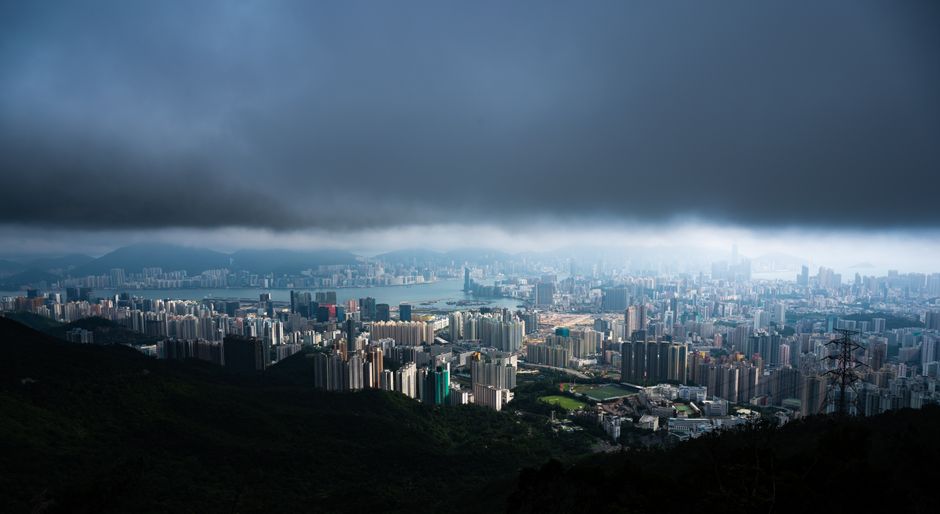
Hong Kong is currently dealing with a significant issue of duplicate image replacement, with many businesses and organizations struggling to manage and remove duplicate images from their systems. This is a key fact that has major implications for the city's competitiveness and efficiency.
The reason this matters now is that duplicate image replacement has become a major concern for cities around the world, particularly those with large amounts of digital data like Hong Kong. With the rise of digital technologies and the increasing importance of data management, cities are looking for ways to streamline their systems and reduce waste. In this context, Hong Kong's approach to duplicate image replacement is being closely watched, and its success or failure could have significant implications for the city's reputation as a global financial hub.
In Hong Kong, the issue of duplicate image replacement is being addressed through a number of initiatives, including the use of artificial intelligence and machine learning algorithms to identify and remove duplicate images. For example, the Hong Kong Productivity Council has launched a program to help small and medium-sized enterprises (SMEs) in the city manage their digital data more effectively, including the use of duplicate image replacement tools. Additionally, organizations like the Hong Kong Science and Technology Parks Corporation are providing support and resources for businesses looking to develop and implement their own duplicate image replacement solutions. Specific locations like the Hong Kong Convention and Exhibition Centre and the International Commerce Centre are also being used as test beds for new duplicate image replacement technologies.
According to data from the Hong Kong Government's Information Services Department, the city's duplicate image replacement efforts are already showing promising results, with a reduction of 25% in digital storage costs over the past year. Furthermore, a survey conducted by the Hong Kong Computer Society found that 80% of businesses in the city are now using some form of duplicate image replacement technology, with 60% reporting a significant reduction in data management costs. The cost of implementing these solutions can vary, but on average, businesses in Hong Kong are paying around HK$50,000 (approximately USD$6,400) per year for duplicate image replacement software and services.
Comparing Hong Kong's Approach to Other Cities
Compared to other major cities like Tokyo and New York City, Hong Kong's approach to duplicate image replacement is unique in its focus on supporting SMEs and leveraging artificial intelligence and machine learning algorithms. For example, Tokyo's approach has focused more on developing large-scale duplicate image replacement systems for major corporations, while New York City has taken a more decentralized approach, with individual businesses and organizations developing their own solutions. As the city continues to develop and refine its duplicate image replacement strategies, it will be important to monitor the results and adjust course as needed to ensure that Hong Kong remains competitive in the global market.
So what happens next? For businesses and organizations in Hong Kong, the key will be to continue to invest in and develop their duplicate image replacement capabilities, while also staying up-to-date with the latest technologies and trends. This may involve working with organizations like the Hong Kong Productivity Council and the Hong Kong Science and Technology Parks Corporation to access resources and support, as well as attending industry events and conferences to learn from other cities and experts in the field. By taking a proactive and informed approach to duplicate image replacement, Hong Kong can ensure that it remains a leader in the global digital economy.