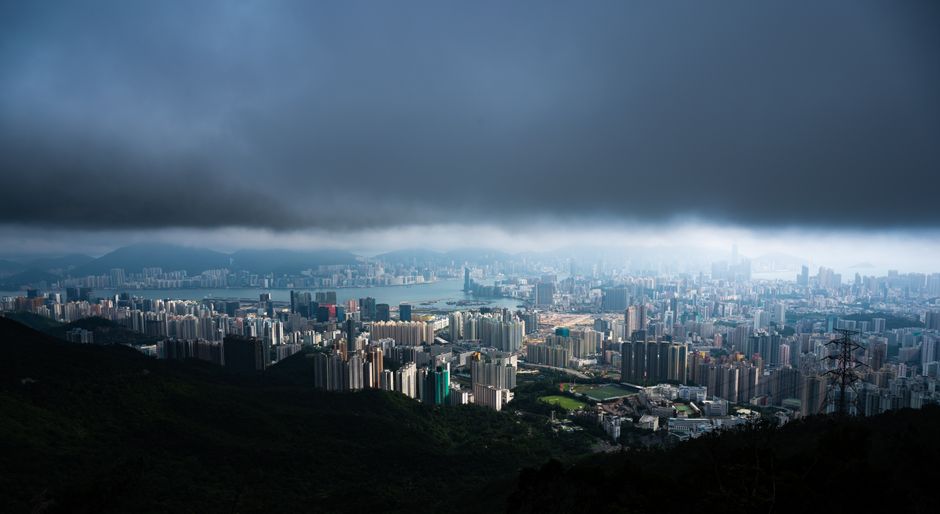
A flat listed on a popular Hong Kong property platform last month showed gleaming harbour views and freshly renovated interiors. The photographs were genuine — but they belonged to a different unit in the same Kowloon block, recycled without disclosure. The prospective tenant only discovered the switch on moving day. The story is not unusual. Across Hong Kong's densely packed digital marketplace, duplicate image replacement — where outdated, mismatched or copied visuals substitute for accurate ones — has become a quietly serious consumer problem.
The issue has taken on new urgency in mid-2026 as Hong Kong accelerates its push to integrate commercial platforms with Greater Bay Area digital infrastructure. Standardisation agreements signed under the GBA framework mean that property, retail, and food-licensing databases from Hong Kong are increasingly mirrored on Mainland-facing portals. A duplicate image originating in a Mong Kok shop listing can propagate to platforms serving Guangzhou and Shenzhen consumers within hours, multiplying the harm well beyond the original transaction.
Where the Problem Hits Hardest
Property classifieds are the most visible flashpoint. The Hong Kong Estate Agents Authority, which licenses roughly 40,000 agents and salespersons, maintains a code of conduct requiring accurate property representations, but enforcement of photographic authenticity remains a grey area in its current guidelines. Platforms operating out of Causeway Bay and Tsim Sha Tsui have faced growing user complaints about listings where interior photographs date back years, showing pre-renovation layouts or, in some cases, units that have since been subdivided into subdivided flats — a practice that remains contentious under existing housing policy.
Food and beverage is the second major trouble zone. Under the Food and Environmental Hygiene Department's licensing regime, restaurants must display accurate information, but no equivalent obligation governs the images those establishments upload to third-party delivery apps operating across Hong Kong. A dai pai dong near the Graham Street Market in Central has no legal recourse when a delivery aggregator continues using images of dishes discontinued two years earlier. Customers order based on what they see; the mismatch erodes trust in platforms and, by extension, in small operators who cannot afford to police dozens of third-party channels simultaneously.
The consumer watchdog, the Consumer Council, recorded a rise in image-related misrepresentation complaints in its most recent annual report covering 2024-2025, though the Council attributed a portion of that increase to the expansion of cross-border e-commerce activity under GBA arrangements rather than to domestic platforms alone. Redress for affected consumers typically runs through the Small Claims Tribunal for financial losses under HK$75,000 — a ceiling that covers most individual tenancy disputes but leaves larger commercial grievances in a more complicated procedural space.
What Residents Can Do Right Now
Practical protection exists, though it requires active vigilance. The Lands Registry's iCIS system allows any member of the public to pull property records — including saleable area, registered owner and encumbrances — for HK$9 per document, a check that takes under ten minutes online and immediately exposes mismatches between listing photographs and actual unit configurations. For rental decisions, the Rating and Valuation Department maintains a searchable database of assessed rateable values that can flag whether a listed property matches the described location at all.
On the retail side, the Hong Kong Customs and Excise Department's Trade Descriptions Ordinance does extend to digital representations of goods and services, meaning that a restaurant or retailer using materially misleading images to induce a purchase can face prosecution. Few cases have tested this in court specifically for photograph substitution, but legal advocates at the Community Legal Information Centre in Wan Chai have flagged it as an emerging area of consumer law worth watching.
The deeper fix requires platform-level policy. Several major Hong Kong-headquartered tech companies have begun piloting automated image-matching tools that flag duplicate or recycled visuals before a listing goes live. Whether broader adoption follows before GBA digital harmonisation deepens the cross-border exposure is the central question that will determine how seriously this affects residents over the next twelve months.