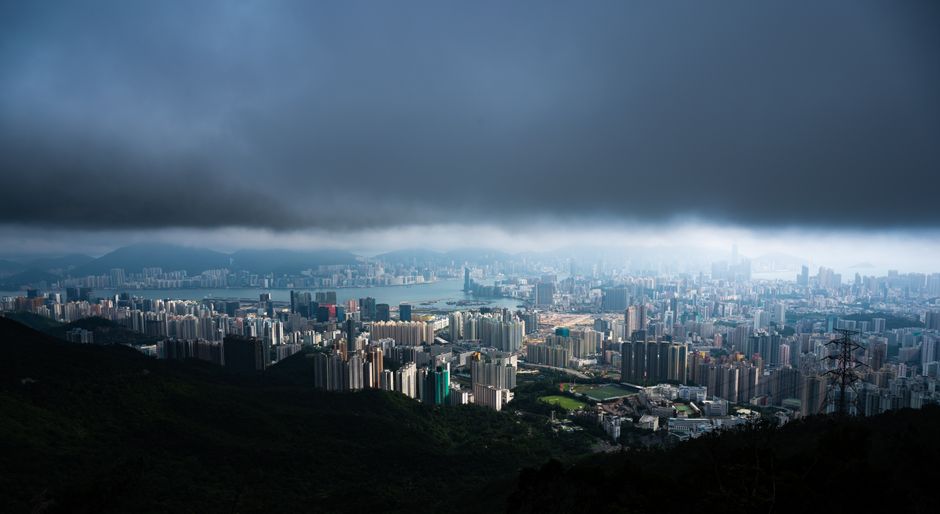
Hong Kong's digital image industry moved sharply this week to address a surge in duplicate and recycled photographs circulating across stock libraries, e-commerce listings and media archives, with several platforms activating automated detection tools that had been in development since late 2025. The change affects thousands of commercial sellers, photo agencies and independent photographers operating out of the city's creative district in Wan Chai and the cluster of tech firms based in Cyberport on the southern side of Hong Kong Island.
The timing is not accidental. Global image traffic has accelerated since generative AI tools became cheap enough for small operators to flood libraries with synthetic or lightly altered duplicates of existing licensed photographs. For Hong Kong, which positions itself as a regional creative and media hub competing directly with Singapore's fast-growing content economy, the credibility of its image supply chains carries real commercial weight. Buyers in Shanghai, Tokyo and London who source photography through Hong Kong intermediaries need confidence that the metadata is clean and the rights are clear.
What Changed This Week
The most concrete development came on Wednesday, 2 July, when Getty Images' Asia-Pacific licensing desk, which handles a significant volume of transactions routed through its Hong Kong operation in Quarry Bay, confirmed it had activated a new duplicate-fingerprinting layer for submissions from regional contributors. The system compares incoming images against a hash database of previously licensed content, flagging near-identical files even when colour grading, cropping or compression have been applied to disguise the original. Photographers submitting through the platform were notified by email earlier in the week.
Separately, the Hong Kong Trade Development Council's sourcing platform, which links manufacturers in the Greater Bay Area to international buyers and routinely uses product photography submitted by Guangdong and Shenzhen suppliers, announced a review of its image verification procedures. The HKTDC hosts roughly 130,000 supplier profiles, and internal audits flagged that a portion of product images uploaded in the first half of 2026 shared pixel-level similarities with photographs already licensed elsewhere. The council said it would complete its review by the end of July.
Local photographers operating out of studios in Fo Tan — a neighbourhood in the New Territories better known for its art studio clusters — have watched the rule changes with mixed feelings. Tighter screening locks out bad actors, but it also means that legitimate photographers who shoot similar subjects repeatedly, such as food, jewellery or fashion on consistent backdrops, face a higher rate of false-positive flags that require manual review before images can go live.
The Regulatory Gap and What Comes Next
Hong Kong currently has no specific statute governing AI-generated image disclosure in commercial contexts. The Intellectual Property Department has issued guidance notes referencing the Copyright Ordinance, Cap. 528, but those rules predate generative AI at scale and do not explicitly require sellers to label synthetic images as such. A public consultation on updating the ordinance, which the department indicated in early 2026 would open before the third quarter, has not yet been formally launched as of this week.
In the absence of regulation, platforms are setting their own standards at different speeds. Shutterstock's contributor portal, accessible to Hong Kong-based sellers, began requiring a mandatory AI-disclosure checkbox in February 2026, three months ahead of a similar requirement from Adobe Stock. The gap in rollout timelines has created confusion for contributors who submit to multiple libraries simultaneously and must navigate inconsistent labelling rules.
For commercial photographers and content buyers in Hong Kong, the practical advice from intellectual property lawyers familiar with the local market is straightforward: retain original RAW files as proof of provenance, document shoot dates and locations, and read each platform's contributor agreement carefully before the new quarter begins in September. Buyers sourcing images for advertising campaigns — particularly those running across both Hong Kong and Mainland Chinese media — should request rights documentation that specifies whether content is AI-assisted, given that Chinese regulatory bodies have issued their own AI-content labelling requirements under rules that took effect in 2025. Getting caught on the wrong side of that border matters more than any platform fine.