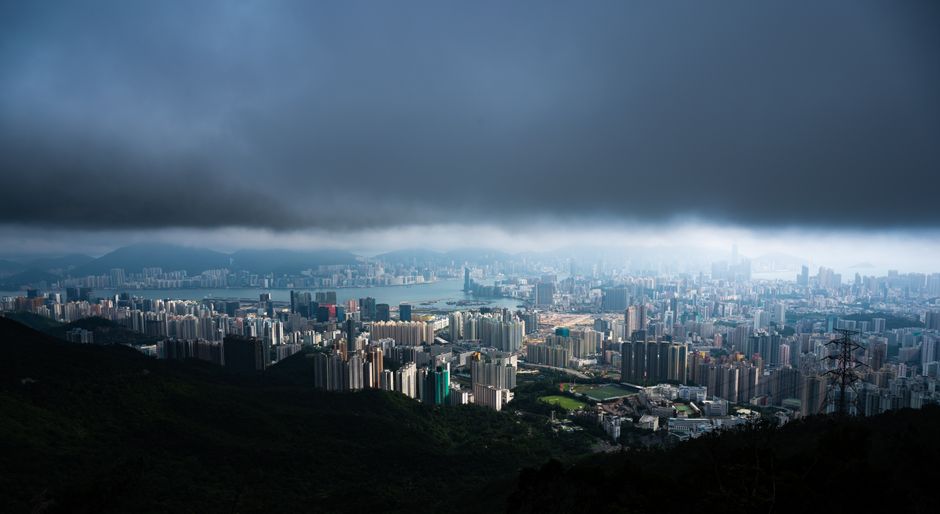
Hong Kong's digital content landscape is at a crossroads. Regulators, platform operators and rights holders are converging on a single problem that has festered for years: the unchecked use of duplicate and unlicensed images across commercial websites, social media storefronts and news platforms. The decisions made in the coming months will set the compliance standard for the city's creative economy for years.
The pressure is intensifying for specific reasons. The Intellectual Property Department has been signalling stricter enforcement of the Copyright Ordinance, and with Greater Bay Area digital integration accelerating, platforms operating in both Hong Kong and the Mainland face a dual compliance burden. A business that quietly recycled stock photography in 2019 is now a potential enforcement target in 2026. The stakes are financial and reputational.
What the Rules Actually Require
Hong Kong's Copyright Ordinance, most recently amended in 2022, treats duplicate image use — reproducing an image already published elsewhere without a new licence or documented permission — as infringement in most commercial contexts. The Intellectual Property Department operates a complaint mechanism, and rights holders including major international stock agencies with Hong Kong offices in Wan Chai and Admiralty have been filing claims with growing regularity. Law firms along Chater Road in Central report a steady uptick in pre-litigation demand letters sent to local e-commerce operators and media startups.
The practical compliance gap is wide. Many small and medium-sized enterprises — the backbone of the economy in districts like Kwun Tong and Sham Shui Po, where digital storefronts multiplied during the post-pandemic retail pivot — built their online presence quickly and cheaply. Images were borrowed from search results or competitor sites. Licences were never secured. Now those businesses are sitting on a legal liability with a ticking clock.
Industry body the Hong Kong Digital Media & Publishing Association has run workshops at Cyberport in Pok Fu Lam addressing image rights specifically, noting that a significant proportion of local SME websites carry at least one image that cannot be traced to a valid licence. Royalty-free platform subscriptions from providers with Hong Kong billing operations typically run between HK$800 and HK$3,500 annually depending on usage volume — costs that many operators deferred when cash was tight but can no longer rationally ignore.
The Decisions That Cannot Wait
Three choices now face every operator with a Hong Kong-registered digital presence. First: conduct an internal image audit before enforcement comes to them. This means going page by page, checking every product photo, banner and thumbnail against licence records. Second: decide whether to pursue retroactive licensing — some agencies offer it, at a premium — or remove and replace flagged content entirely. Third: establish a procurement workflow that prevents the problem from recurring, whether through a subscription service, a creative retainer with a licensed studio, or a vetted library of original photography.
For media organisations, the calculus is slightly different. The Hong Kong Press Freedom Foundation and journalism training programs at institutions including Hong Kong Baptist University's journalism school have been incorporating image rights literacy into their curricula, recognising that editorial teams cannot rely on the fair dealing defence as broadly as they once assumed. Wire service contracts need reviewing. Archive images — particularly those pulled from social media or sourced during the fast-turnaround years of the protest coverage cycle — carry specific risk.
The next formal regulatory checkpoint is expected before the end of the third quarter of 2026, when the Intellectual Property Department is anticipated to publish updated compliance guidance aligned with broader digital economy policy. Businesses that wait for that document before acting are already behind. The smarter move is a self-initiated audit completed by August, followed by documented corrective action. That paper trail matters: in past enforcement cases, demonstrated good-faith remediation has consistently influenced the outcome of complaints filed with the department's copyright tribunal.
Hong Kong's reputation as a financial and creative hub depends partly on the rule of law applying consistently to intellectual property. The image rights moment is here. The question is simply who acts first — operators themselves, or the agencies waiting with demand letters already drafted.