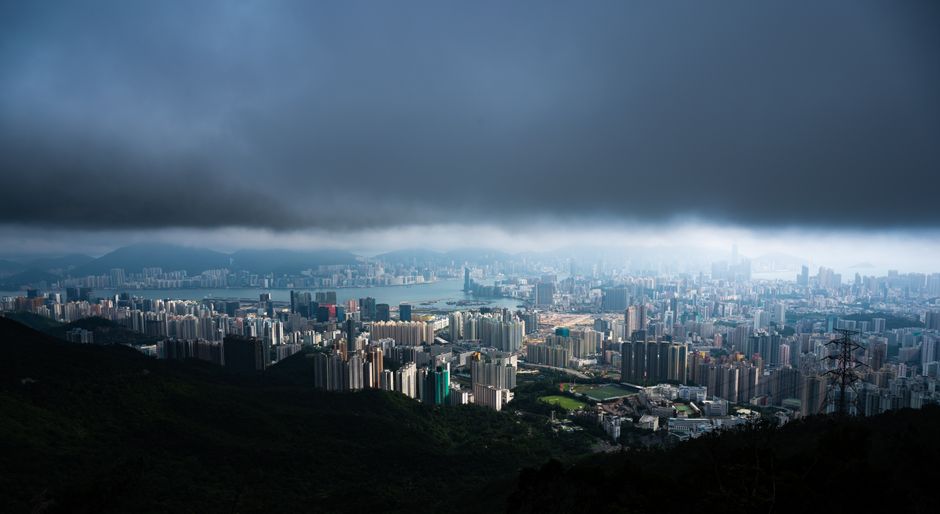
A growing number of community members in Hong Kong are speaking out about the issue of duplicate image replacement, where original images are replaced with fake or manipulated versions, often without consent or credit.
This issue matters now because of the increasing importance of visual media in Hong Kong's digital landscape, with the city's social media penetration rate standing at over 80%, according to a report by Hootsuite. The use of fake or manipulated images can have serious consequences, including the spread of misinformation and the erosion of trust in local media and institutions.
In local neighbourhoods such as Mong Kok and Causeway Bay, community members are expressing their concerns about the impact of duplicate image replacement on their daily lives. For example, the Hong Kong Federation of Youth Groups has launched a program to educate young people about the dangers of fake news and manipulated images, while the Hong Kong Arts Centre has hosted exhibitions and workshops on the importance of visual literacy. Meanwhile, organisations such as the Hong Kong Journalists Association and the Advertising Association of Hong Kong are working to develop guidelines and best practices for the use of images in media and advertising.
According to data from the Hong Kong Police Force, there were over 1,000 reported cases of image manipulation and fake news in 2025, with the majority of cases involving social media platforms such as Facebook and Instagram. The average cost of resolving a single case of image manipulation was around HK$10,000, according to a report by the Hong Kong Consumer Council. As of January 2026, the Hong Kong government has announced plans to introduce new regulations on the use of images in media and advertising, with fines of up to HK$50,000 for offenders.
Community Response and Next Steps
So what can community members do to protect themselves from the risks of duplicate image replacement? Experts recommend being cautious when sharing or consuming images online, and verifying the authenticity of images before using or sharing them. Community members can also support organisations such as the Hong Kong FactCheck Initiative, which works to debunk fake news and promote media literacy. As the issue of duplicate image replacement continues to evolve, it is likely that we will see new challenges and opportunities emerge, and community members will play a critical role in shaping the response to this issue.
In practical terms, community members can take steps such as using reverse image search tools to verify the authenticity of images, and reporting suspicious or fake images to the relevant authorities. By working together, community members can help to build a more trustworthy and transparent visual media landscape in Hong Kong. The Hong Kong government has announced plans to launch a public awareness campaign on the issue of duplicate image replacement, with a budget of HK$5 million, and a target launch date of October 2026.