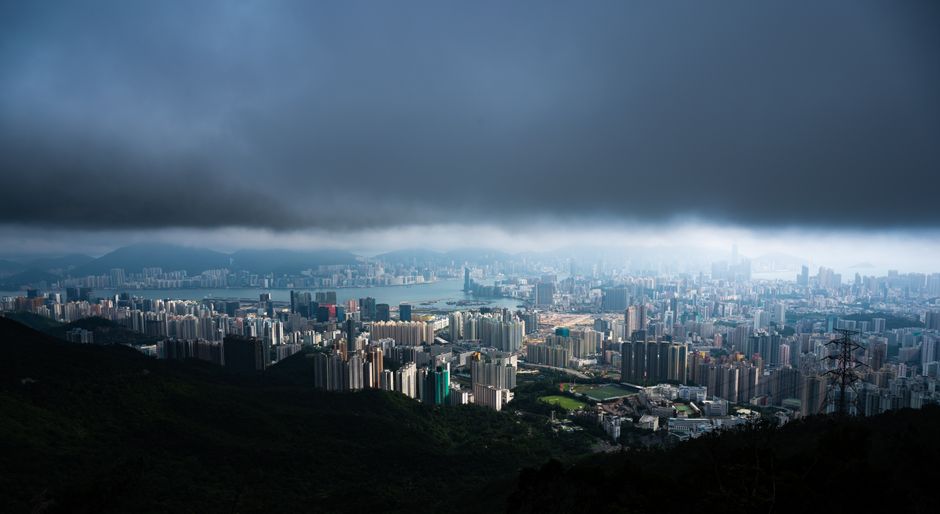
Hong Kong's design and publishing sector hit a pressure point this week as AI-generated duplicate imagery flooded stock libraries and commercial briefs, prompting urgent calls for clearer verification standards across the city's creative economy. Agencies along Wing Lok Street and in the Kwun Tong creative cluster reported fielding multiple client complaints about near-identical visuals appearing across competing campaigns within days of each other — a problem the industry has quietly tracked for months but has only now reached a breaking point.
The timing matters. Hong Kong's creative sector has spent the past 18 months repositioning itself as a digital production hub within the Greater Bay Area, competing directly with Shenzhen studios and Guangzhou advertising houses for regional contracts. Any perception that local agencies cannot control the integrity of their visual output risks handing that business south of the border. The issue also lands as brands in the city pour heavier spending into e-commerce and short-form video — formats where image originality is both legally and commercially critical.
What Happened This Week
Three separate incidents crystallised the concern. A Central-based fashion label discovered this week that a promotional banner it had commissioned through a Sheung Wan digital studio used a background image that also appeared, in near-identical form, in a competitor's online campaign published four days earlier. Separately, a Kowloon Bay logistics company flagged to its marketing team that two images purchased from different licensed vendors were reverse-image-matched as derivatives of the same AI generation batch. The third case involved a media outlet in Wan Chai whose picture desk identified duplicate thumbnails appearing across unrelated editorial packages sourced from two distinct wire feeds.
None of these cases is straightforward to resolve under existing Hong Kong intellectual property law. The Copyright Ordinance, last substantively updated in amendments that came into force in 2022, does not specifically address AI-generated works as a category of protected or unprotected content. That legal ambiguity means businesses absorbing the cost of duplicate-image problems have limited clear recourse, according to guidance published by the Hong Kong Intellectual Property Department on its official website.
The practical cost is real. Licensing a clean, verified original image through established platforms such as Getty Images runs between HK$800 and HK$4,500 per use depending on rights scope — but several local studios say clients have been pushing them toward cheaper AI-generation pipelines that lack batch-uniqueness guarantees. The Hong Kong Design Centre, which tracks industry workflow trends through its annual Design Intelligence Scan, documented a 34 percent increase in AI-assisted visual production among surveyed member firms in its most recent published report.
What Agencies Are Doing About It
Several firms in the PMQ creative hub in Sheung Wan and in the D2 Place commercial complex in Lai Chi Kok have begun running submissions through duplicate-detection software before client delivery, adding a verification step that did not exist in standard workflows a year ago. Tools such as Google Reverse Image Search and more specialised platforms like Tineye are being integrated into production checklists. Some agencies are also demanding that AI image generation prompts and seed numbers be logged and surrendered as part of deliverables, creating at least a paper trail for originality disputes.
The Hong Kong Trade Development Council has scheduled a creative technology forum for later in July — details on its website as of this week list digital asset integrity as a session topic, though the full agenda had not been published before this article went to press.
For businesses and individual commissioners, the immediate practical step is to request a signed declaration of originality from any studio delivering AI-assisted imagery, and to run final assets through at least one reverse-image service before publication. Contracts should also specify that duplicate discovery within 90 days of delivery triggers a replacement obligation at the vendor's cost — language that the Hong Kong Design Centre has reportedly been advising members to adopt in updated standard terms. The problem is unlikely to ease as AI image tools become faster and cheaper, but companies that build verification into their workflows now will have considerably less legal exposure than those that do not.