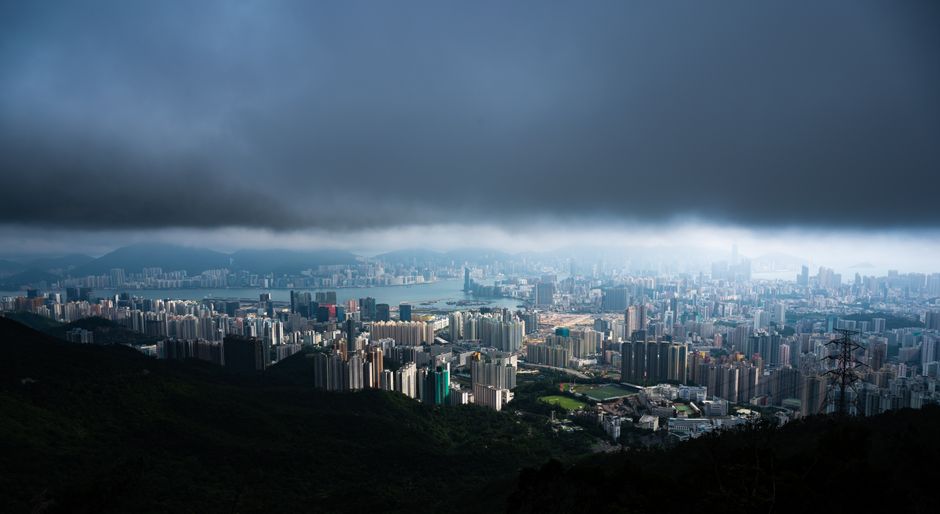
Hong Kong's creative and media industry is dealing with an unusually concrete problem this week: the growing volume of duplicate images circulating inside commercial workflows, and the accelerating shift toward AI-generated replacements when those duplicates are caught and pulled. Several production studios based in Wong Choi Street's cluster of post-production suites and in Kwun Tong's creative hub districts confirmed this week that internal audits have surfaced significant overlap in licensed stock imagery used across client campaigns — a problem that predates AI but is now being solved, messily, with it.
The issue matters now because the Hong Kong Copyright Ordinance, last substantively amended before generative image tools existed at commercial scale, contains no explicit provision governing AI-substituted replacements for licensed assets. That gap is pushing agencies to make ad hoc decisions about what constitutes a legally clean image swap, with the Intellectual Property Department having yet to issue formal guidance on the question despite repeated industry requests dating back to early 2025.
What Happened This Week
The trigger this week was a circulated industry memo — widely discussed in the local design community but not publicly released — flagging that several major retail advertisers in Causeway Bay and Tsim Sha Tsui had discovered the same batch of licensed Getty Images photographs appearing in competing outdoor campaigns running simultaneously on MTR Kwun Tong Line platforms. The duplication, attributed to multiple agencies drawing from the same popular Hong Kong-specific search results within the same licensing pool, required rapid visual substitution to avoid client embarrassment ahead of the July promotional cycle.
At least three agencies — none willing to be named publicly — turned to AI image generation platforms to produce replacement visuals on a 48-hour turnaround, bypassing the usual stock licensing process entirely. The Hong Kong Design Centre, based in the PMQ heritage complex in Sheung Wan, has been fielding calls from member studios asking whether such replacements need to be disclosed to end clients under existing service contracts. The centre does not itself regulate the practice, but its involvement reflects how fast the question has moved from theoretical to operational.
Local digital production firm standards vary widely. Some studios in Cyberport's phase-three buildings have already written AI-substitution clauses into 2026 client agreements, specifying that generative replacements carry a 15 percent fee premium over standard stock licensing costs and require client sign-off. Others are still operating under 2023-era contracts that make no mention of AI-generated assets at all.
The Legal and Commercial Grey Zone
The financial stakes are not trivial. A standard royalty-free Hong Kong commercial licence for a single high-resolution image from major platforms runs between HK$800 and HK$4,500 depending on usage rights and distribution scope. AI-generated substitutes, produced via tools such as Midjourney or Adobe Firefly, carry a different cost structure — typically absorbed into a subscription priced at around HK$150 to HK$300 per month per seat — but raise unresolved questions about ownership, particularly for images depicting recognisable Hong Kong streetscapes, signage, or identifiable public spaces such as Victoria Harbour or the Central-Mid-Levels escalator corridor.
The City University of Hong Kong's School of Creative Media hosted a practitioner roundtable on June 30 addressing exactly this ambiguity. Attendees debated whether an AI model trained partly on locally licensed images effectively recycles protected visual elements, even when the output appears superficially original. No consensus was reached, which is itself telling about where the industry sits.
The practical advice circulating among Hong Kong's more established production teams this week is straightforward: document every duplicate-image audit trail, retain written client approval for any AI-generated substitution, and avoid depicting identifiable real-world Hong Kong locations in replacement images until clearer guidance arrives. The Intellectual Property Department's next scheduled stakeholder consultation is set for the third quarter of 2026. Until then, agencies are writing their own rules — and hoping they align with whatever comes next.