Hong Kong's digital image replacement market is on the cusp of significant change, with major brands and advertisers reassessing their strategies in light of emerging technologies and shifting consumer behaviors. The key fact is that the city's digital advertising spend is projected to reach HK$10.3 billion by the end of 2026, with image replacement playing an increasingly crucial role in this growth.
This matters now because the city's media and advertising ecosystem is under intense pressure to innovate and stay ahead of the curve. With the rise of social media and e-commerce, businesses in Hong Kong are having to adapt quickly to changing consumer habits and technological advancements. The city's unique position as a global financial hub and cultural melting pot means that its digital image replacement market is particularly sensitive to these shifts. As a result, companies are having to make key decisions about how to allocate their digital advertising budgets and leverage image replacement technologies to maximum effect.
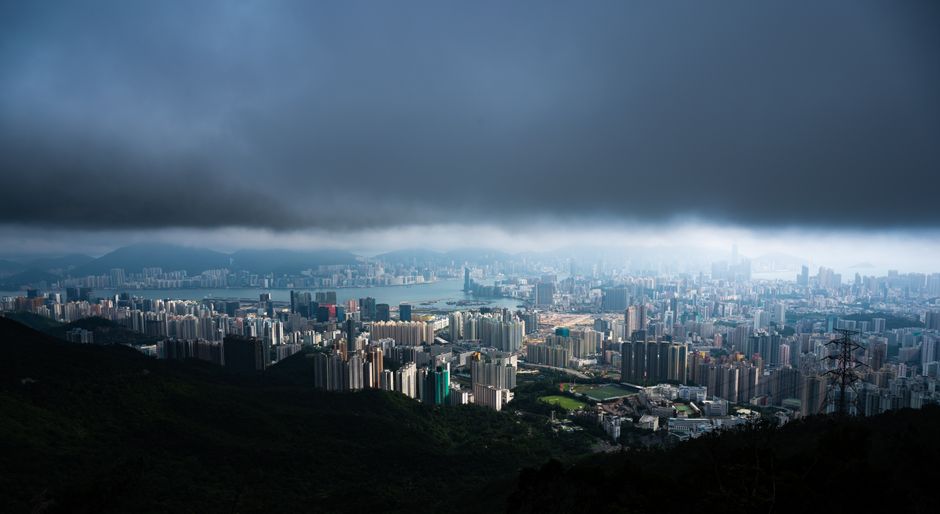
In local terms, this is playing out in specific neighborhoods and business districts across Hong Kong. For example, in the bustling streets of Causeway Bay and Mong Kok, digital billboards and advertisements are becoming increasingly ubiquitous, with major brands like HSBC and Cathay Pacific using image replacement to refresh their marketing campaigns. Meanwhile, organizations like the Hong Kong Trade Development Council and the Hong Kong Design Centre are providing support and resources for businesses looking to navigate the complexities of digital image replacement. The city's iconic skyline, which includes landmarks like the International Commerce Centre and the Bank of China Tower, is also being leveraged as a unique selling point for brands looking to make an impact with their image replacement strategies.
Data and Trends
According to data from the Hong Kong Advertising Association, the city's digital advertising market grew by 15% in 2025, with image replacement accounting for a significant proportion of this growth. The average cost of a digital billboard advertisement in Hong Kong is around HK$50,000 per month, although this can vary depending on the location and duration of the campaign. As of June 2026, the number of digital billboards in Hong Kong stood at 1,200, with this number expected to increase to 1,500 by the end of the year. With the average click-through rate for digital advertisements in Hong Kong standing at 0.5%, businesses are under pressure to optimize their image replacement strategies and maximize their return on investment.
So what happens next, and what are the key decisions ahead for businesses operating in Hong Kong's digital image replacement market? In practical terms, companies will need to stay focused on emerging technologies like AI and machine learning, which are set to play an increasingly important role in image replacement. They will also need to prioritize data-driven decision making, using metrics like click-through rates and conversion rates to inform their marketing strategies. By doing so, businesses in Hong Kong can stay ahead of the curve and capitalize on the opportunities presented by the city's rapidly evolving digital landscape. As the market continues to grow and mature, one thing is certain: the ability to navigate the complexities of duplicate image replacement will be crucial to success in Hong Kong's competitive digital advertising ecosystem.