Hong Kong's graphic design and digital publishing community spent much of this week scrambling to understand a significant shift in how major stock image platforms are handling duplicate and AI-generated content — a change that hit local agencies particularly hard because of the city's dense concentration of multilingual marketing operations serving both the Greater Bay Area and international clients.
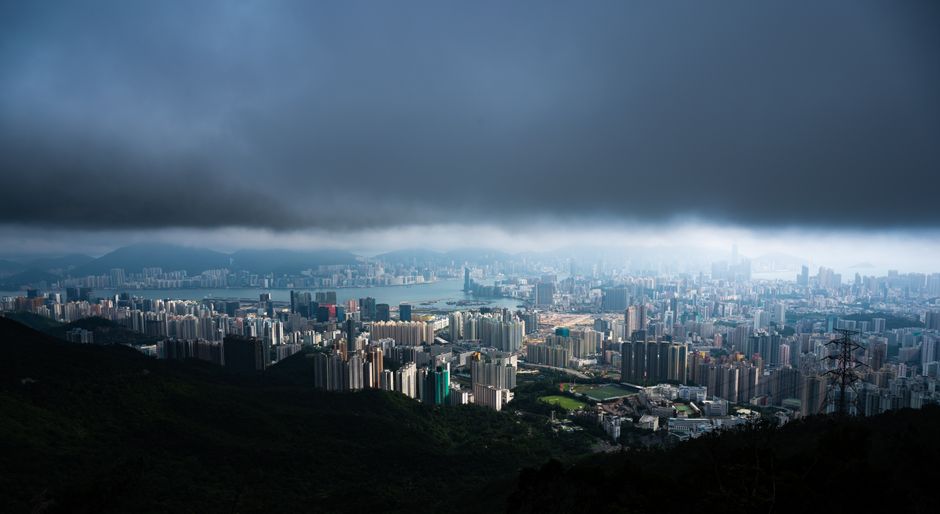
Several platforms updated their content moderation systems in late June 2026, rolling out automated tools that detect visually identical or near-identical images submitted under different contributor accounts. The effect is a wave of content removals hitting libraries that agencies in Wan Chai, Sheung Wan and Kwun Tong had spent years building into their standard production workflows. One widely used category — generic urban skyline shots of Victoria Harbour — reportedly saw bulk removals across at least two major licensing platforms, forcing art directors to source alternatives on short notice before client deadlines.
Why This Matters Now for Hong Kong
The timing lands awkwardly. Hong Kong's design and advertising sector, concentrated along Queen's Road East and in the PMQ creative hub in Central, is already navigating a tighter talent pool following significant emigration over the past four years. Agencies that once had junior staff dedicated to image curation are now asking senior creatives to absorb that work. Losing pre-licensed image banks — some of them assembled before 2020 and renewed annually at costs running into tens of thousands of Hong Kong dollars — creates direct financial exposure.
The Hong Kong Design Centre, which operates out of the PMQ complex on Aberdeen Street, has been monitoring the situation. The centre has previously run programmes connecting local studios with digital asset best-practice guidance, and industry contacts say the organisation is expected to address the issue in its next scheduled industry briefing, though no formal statement had been issued as of Friday morning.
At stake is more than inconvenience. The duplicate-detection systems being deployed are imperfect. They flag images based on perceptual hash matching, a technique that can misidentify legitimately licensed photos as unauthorised copies when the same image has been sold through multiple distribution agreements — a common arrangement in the stock photography business. For Hong Kong agencies that license content from both Western and Mainland Chinese platforms simultaneously, the risk of a false positive removal is higher than in single-market operations.
Local Industry Seeks Clearer Rules
A working group convened informally through the Hong Kong Photographers' Association met on Wednesday at a venue in the Jockey Club Creative Arts Centre in Shek Kip Mei to discuss the practical fallout. The gathering drew designers, stock contributors and a handful of media buyers. No binding decisions emerged, but participants agreed to compile a shared log of confirmed false-positive removals to present to platform operators as evidence.
The scale of the problem in Hong Kong is hard to pin down precisely without platform-level data. The city has more than 3,400 registered advertising and marketing companies, according to the Hong Kong Census and Statistics Department's most recent business register data. Even a fraction of those firms experiencing mid-project image library disruption adds up to a measurable productivity drain across the sector.
Prices for emergency replacement licensing are not trivial. A rights-managed image licensed for a single Hong Kong campaign through a major international platform typically runs between HK$2,000 and HK$8,000 depending on usage scope, and rush licensing for broadcast or out-of-home placements can push substantially higher. Agencies working on July campaign launches — including those tied to the city's annual summer sales cycle — have little margin to absorb that kind of unplanned cost.
For studios and freelancers trying to stay ahead of this, the most practical immediate step is auditing any image in active use to confirm it is licensed through a single, clearly documented channel. Building a parallel library of original photography — particularly location work shot around Hong Kong landmarks that cannot be duplicated by a Mainland or European contributor — offers longer-term protection. The working group at Shek Kip Mei is expected to circulate a summary document through the Hong Kong Photographers' Association mailing list within the next fortnight, which will likely be the most locally specific guidance available until platform operators clarify their appeals processes for the Hong Kong market.