Hong Kong's advertising and media industry is facing a new challenge with the increasing use of duplicate image replacement technology, which allows users to generate identical images using artificial intelligence. This technology has the potential to disrupt the creative industry, affecting local residents and businesses who rely on original content creation for their livelihood.
The context of this issue is crucial, as Hong Kong is a global financial hub with a thriving creative industry. The city's proximity to Mainland China and its integration into the Greater Bay Area economic zone make it an attractive location for businesses and entrepreneurs. However, the rise of duplicate image replacement technology poses a threat to the city's competitiveness in the creative sector, as it may lead to a loss of jobs and revenue for local businesses. Furthermore, the city's post-2020 National Security Law governance and Article 23 aftermath have created an environment where freedom of expression and creativity are under scrutiny, making it even more challenging for the creative industry to thrive.
Local Impact
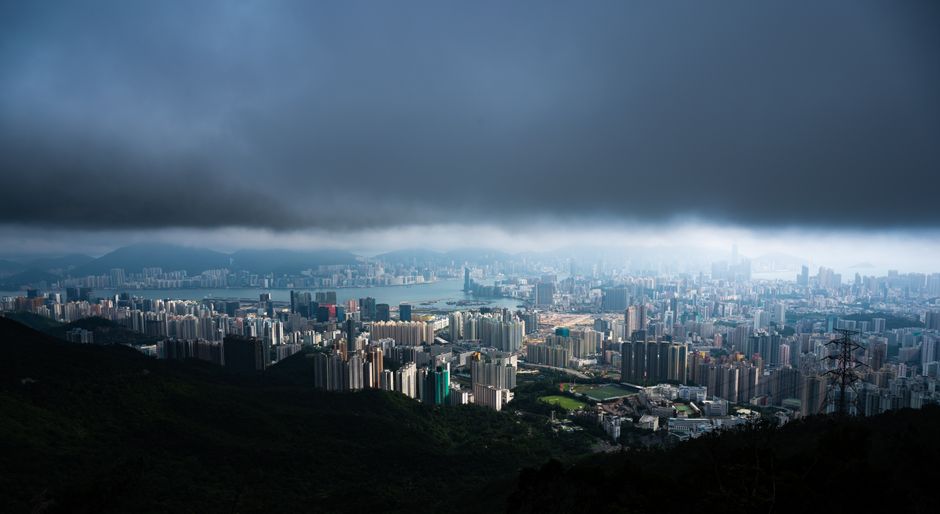
In areas like Causeway Bay and Mong Kok, where advertising and media companies are concentrated, the effects of duplicate image replacement technology are already being felt. Companies like Hong Kong Broadband Network and PCCW are investing heavily in digital content creation, but the rise of AI-generated images may lead to a decrease in demand for original content. Local landmarks like the International Commerce Centre and the Hong Kong Convention and Exhibition Centre, which often feature in advertisements and promotional materials, may also be affected. Organisations like the Hong Kong Design Centre and the Hong Kong Arts Centre, which promote local design and art, are also likely to feel the impact of this technology.
According to a report by the Hong Kong Trade Development Council, the city's creative industry accounted for 4.7% of the city's GDP in 2020, with a total value of HK$143.8 billion. The report also noted that the industry employed over 200,000 people, with an average salary of HK$43,600 per month. With the rise of duplicate image replacement technology, these numbers may be at risk, as local businesses may struggle to compete with cheaper, AI-generated content. For example, a recent survey by the Hong Kong Institute of Marketing found that 60% of local advertisers are considering using AI-generated images in their campaigns, citing cost savings as the main reason.
What Happens Next
As the use of duplicate image replacement technology becomes more widespread, it is essential for local residents and businesses to be aware of the potential implications. The Hong Kong government has announced plans to invest HK$100 million in the development of artificial intelligence and related technologies, but it is crucial that this investment also includes support for the creative industry. Local businesses and organisations can also take steps to adapt to this new technology, such as investing in AI-generated content creation and developing new business models that take into account the rise of duplicate image replacement. By working together, Hong Kong can ensure that its creative industry remains competitive and continues to thrive, even in the face of this new challenge.