Dozens of photographers, graphic designers and small-business owners across Hong Kong say they have lost original digital files after cloud storage platforms and content management systems flagged their work as duplicate imagery and deleted or replaced it without warning. The complaints, which have been circulating in local creative forums since May, accelerated sharply through June as several popular platforms updated their automated deduplication algorithms.
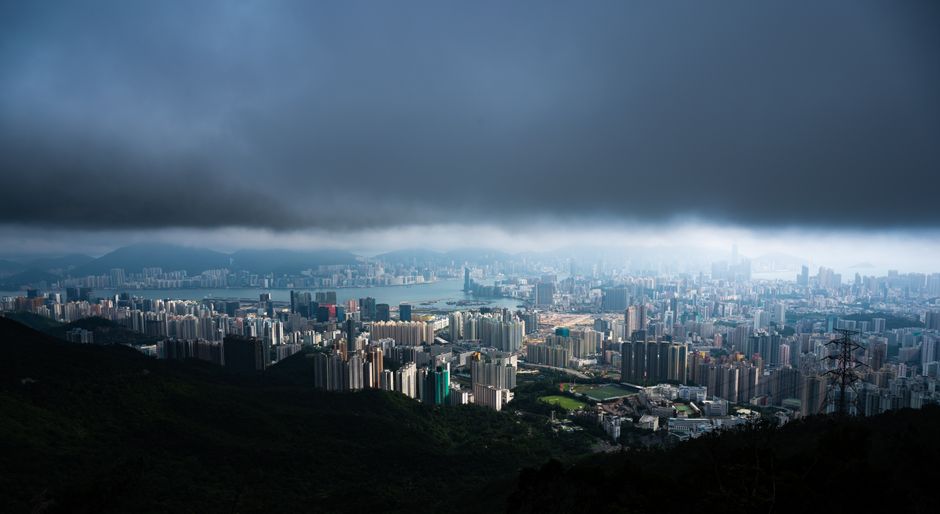
The timing matters. Hong Kong's creative economy has been under sustained pressure since 2020, and many practitioners shifted entirely to digital workflows and cloud-based storage precisely to cut costs. Losing master image files is not an inconvenience — for a freelance photographer operating out of a shared studio in Fo Tan's industrial blocks, it can mean losing the entire commercial basis of a client relationship.
One designer who rents workspace at the Jockey Club Creative Arts Centre in Shek Kip Mei said she discovered in late June that a cloud sync tool had replaced 18 months of layered source files with flattened previews, effectively making every project uneditable. Another independent videographer, based near the Kwun Tong waterfront development zone, said a backup service deleted what it classified as redundant frames from a documentary he had been shooting for four months. Neither individual could be reached for a formal on-record interview before deadline, but their accounts were corroborated by thread histories in the Hong Kong Designers Association community board reviewed by this reporter.
The Hong Kong Productivity Council, which runs digital-transformation advisory programmes for SMEs under its ITSP scheme, does not yet have a formal advisory on deduplication risks, according to its publicly available programme documentation as of July 2026. The council's SME support hotline at 2788 5678 has fielded general cloud-migration queries, though it does not publicly log complaint categories.
Where to go and what to do now
Practitioners who have already experienced file loss are being pointed toward a handful of practical steps. The Hong Kong Computer Emergency Response Team Coordination Centre, known as HKCERT, publishes guidance on data-recovery best practices and can be reached through the Hong Kong Productivity Council. For files deleted within the past 30 days, several major cloud providers maintain a recoverable trash window — though the exact retention period varies by platform and subscription tier, and some business-tier accounts have shorter windows than personal ones.
The more immediate problem is prevention. Creative-sector advisers are recommending that practitioners disable automated deduplication settings entirely on any storage platform used for professional RAW files, and maintain at least one offline backup — either an external NAS device or a physically separate drive — that no cloud service has permission to touch. Studios in Wong Chuk Hang's converted industrial buildings have begun sharing a simple checklist through the South Island creative network's WhatsApp groups, itemising which settings to audit on five commonly used platforms.
For those whose files are already gone, the options narrow quickly. Professional data-recovery firms in the Wan Chai and Mong Kok tech districts typically charge between HK$1,500 and HK$8,000 for an initial assessment, with full recovery costs running considerably higher for RAID arrays. Cloud-level deletion, however, often leaves nothing for a local recovery firm to work with.
The Hong Kong Designers Association has said it plans to issue a formal member advisory before the end of July, and is in contact with at least two major platform providers about notification standards. Whether those platforms will implement mandatory warnings before bulk deletion runs is, for now, an open question — and for the photographers of Fo Tan, one that is already arriving too late.