news
Hong Kong Officials Push Image Authentication Across Media, Legal, Tech
From government procurement desks to newsrooms in Wan Chai, the push to stamp out duplicate and manipulated images is forcing a reckoning across Hong Kong's media, legal and tech sectors.
How we reported this
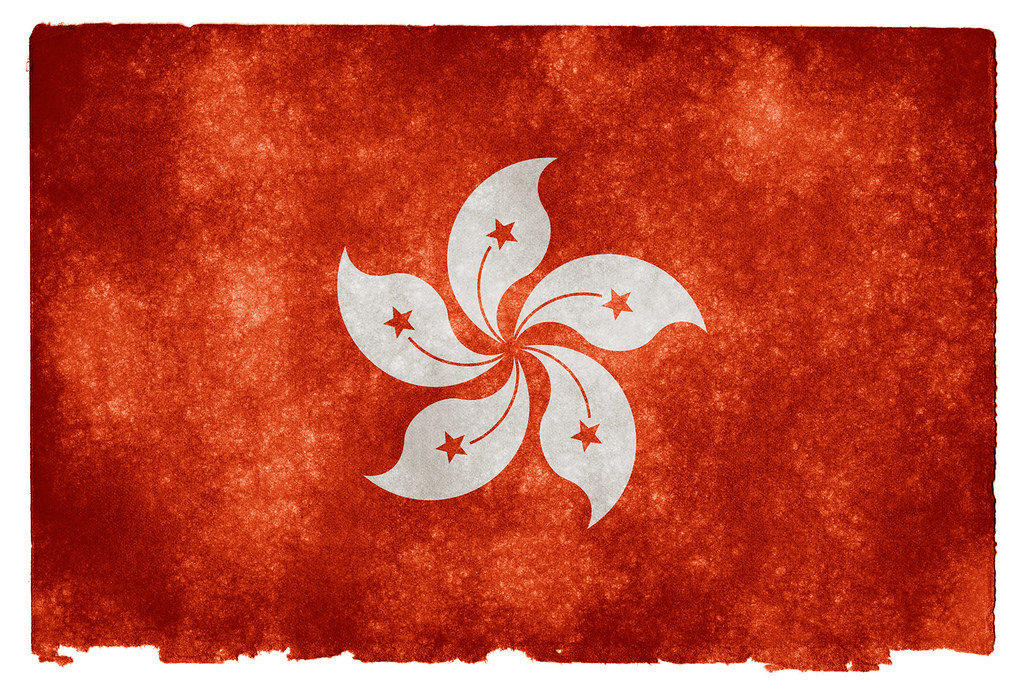
Hong Kong's digital content industry is confronting a quiet but serious problem: the unchecked circulation of duplicate and manipulated images in advertising, journalism, and official government publications. The issue landed formally on the agenda this spring when the Hong Kong Internet Registration Corporation Limited flagged a measurable rise in domain-linked image fraud cases during its annual review. Industry bodies are now pressing for standardised authentication protocols, and the debate over how to get there is getting louder.
The urgency is practical. Hong Kong's Information Services Department, which supplies photographs to dozens of government portals and press offices across Tamar, Central Government Complex, and beyond, runs on procurement rules that were last substantially updated in 2018. Those rules say little about digital watermarking or hash-based image verification. Critics argue that gap has left both public communications and commercial publishers exposed.
What the Experts Are Telling Publishers
Digital forensics specialists based at the Hong Kong Polytechnic University's School of Design have been advising newsrooms and creative agencies that the technical fix is already available, the hold-up is institutional. Perceptual hashing, a process that assigns a unique fingerprint to each image file so duplicates can be detected automatically, costs a mid-sized publisher roughly HK$15,000 to HK$40,000 to integrate into an existing content management system, according to vendor estimates circulating at industry workshops held at the Hong Kong Convention and Exhibition Centre in Wan Chai earlier this year.
The Hong Kong Press Photographers Association has been among the more vocal professional groups, arguing at a May 2026 panel discussion that automated detection tools should be considered baseline infrastructure for any outlet publishing more than a hundred images a week. The association has not yet issued a formal policy position, but members have been briefed on the Coalition for Content Provenance and Authenticity, the C2PA standard developed jointly by Adobe, Microsoft and others, as a possible framework for adoption.
Advertising agencies operating out of Quarry Bay and Tsim Sha Tsui have their own grievances. Stock image duplication, where the same licensed photograph appears across competing brand campaigns, has generated at least three formal disputes lodged with the Hong Kong Intellectual Property Department since January 2026, according to the department's public complaints register. That figure is likely an undercount; many disputes are resolved commercially before they reach regulators.
The Regulatory Picture
The Office of the Communications Authority has jurisdiction over broadcast content but its remit over digital image standards remains narrow. Officials at OFCA have indicated, without committing to a timeline, that they are monitoring how regulators in Singapore, specifically the Infocomm Media Development Authority, handle image provenance rules before deciding whether to move. Singapore's IMDA published voluntary guidelines on AI-generated and manipulated content in late 2025, a document Hong Kong officials have reportedly reviewed.
At the Legislative Council, at least two members sitting on the Information Technology and Broadcasting Panel have raised the question of whether the Copyright Ordinance, most recently amended in 2022, gives rights-holders sufficient remedies when duplicate images surface without attribution. Legal advisers consulted by publishers in the Central business district suggest the ordinance's existing provisions cover most clear-cut infringement cases, but authentication, proving an image is the original rather than a copy, remains a procedural grey area in local courts.
The Commerce and Economic Development Bureau, which oversees both intellectual property and innovation policy, has not announced a dedicated working group on image authentication. Industry observers expect that to change before year-end, particularly given Hong Kong's ambitions as a regional headquarters for technology and media companies under the government's ongoing drive to compete with Singapore for financial and creative sector investment.
For publishers and brands looking to act before formal guidance arrives, specialists recommend registering image metadata through the C2PA standard, keeping original RAW files with embedded timestamps, and logging all licensed image transactions through a documented chain of custody. The practical takeaway from every roundtable this year has been the same: the tools exist, the rules do not yet require them, but the gap is closing faster than most organisations have planned for.