News
What Officials, Experts, and Key Figures Are Saying About Duplicate Image Replacement
Local stakeholders weigh in on the impact of duplicate image replacement on Hong Kong's digital landscape
3 min read
Updated 1 h ago
News
Local stakeholders weigh in on the impact of duplicate image replacement on Hong Kong's digital landscape
3 min read
Updated 1 h ago
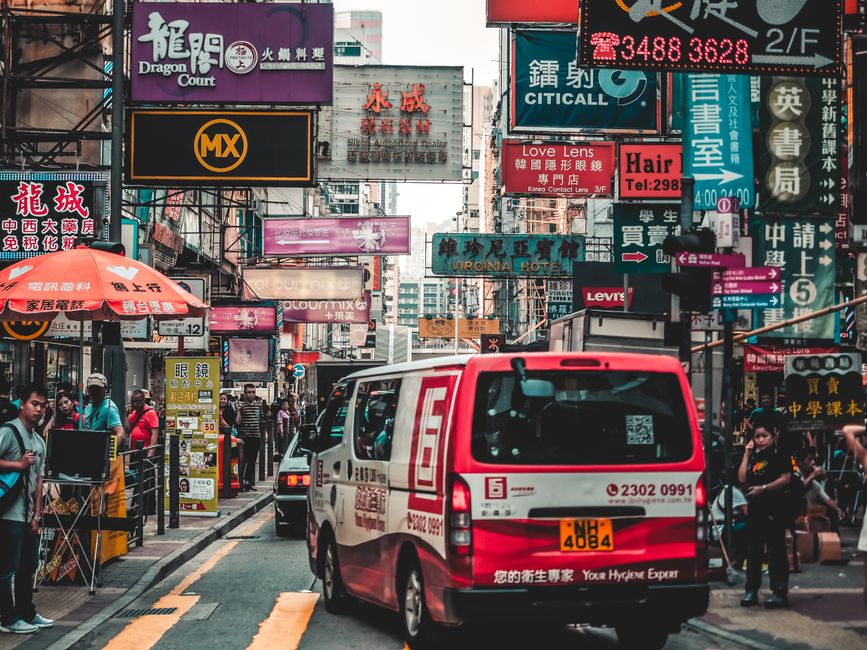
Hong Kong's government has announced plans to implement a city-wide duplicate image replacement system, aimed at reducing digital clutter and improving data efficiency.
This development matters now because Hong Kong is poised to become a major hub for digital innovation in the Greater Bay Area, with the government investing heavily in initiatives such as the Hong Kong-Shenzhen Innovation and Technology Park in Lok Ma Chau and the Cyberport digital technology hub in Pok Fu Lam. As the city seeks to solidify its position as a financial and technological leader, the ability to efficiently manage and process digital data will be crucial. The implementation of a duplicate image replacement system is seen as a key step in this process, with potential applications in fields such as finance, healthcare, and education.
In local terms, the impact of duplicate image replacement will be felt in areas such as Causeway Bay, where major tech firms like IBM and Microsoft have a presence, and in neighbourhoods like Sheung Wan, which is home to a growing number of startups and digital media companies. Organisations such as the Hong Kong Productivity Council and the Hong Kong Computer Society have also been involved in discussions around the implementation of the system, with the Council's chairman, Willy Lin, noting the potential benefits for businesses and individuals alike. Additionally, the University of Hong Kong's Department of Computer Science has been conducting research on the applications of duplicate image replacement in various fields, including medical imaging and video processing.
According to data from the Hong Kong Government's Information Services Department, the city's data storage needs are expected to increase by 30% annually over the next five years, with the cost of data storage estimated to reach HK$10 billion by 2030. In this context, the implementation of a duplicate image replacement system could potentially save the government and businesses millions of dollars in storage costs. For example, a study by the Hong Kong Polytechnic University found that the use of duplicate image replacement technology could reduce the storage needs of the city's healthcare sector by up to 25%. Furthermore, a report by the Hong Kong Trade Development Council noted that the city's digital economy is expected to grow by 15% annually over the next three years, with the implementation of a duplicate image replacement system seen as a key factor in driving this growth.
As the city moves forward with the implementation of the duplicate image replacement system, officials and experts are urging caution and careful planning. The system is expected to be rolled out in phases, with the first phase targeting government agencies and major businesses. In the meantime, individuals and small businesses can take steps to prepare for the transition, such as by reviewing their data storage practices and exploring options for reducing digital clutter. The Hong Kong Government has also announced plans to provide training and support for businesses and individuals affected by the implementation of the system, with workshops and seminars to be held at venues such as the Hong Kong Convention and Exhibition Centre in Wan Chai. By taking a proactive and informed approach, Hong Kong can ensure a smooth transition to a more efficient and effective digital landscape, with benefits for the city's economy, environment, and residents.

News
News

News
News
About this article
Published by The Daily Hong Kong
Spread the word
Daily brief
Free, in your inbox before 7am. Weekdays.
Before you go
The day's Hong Kong news in a 2-minute read. Free, weekday mornings.