Property
Hong Kong’s Rental Vacancy Rates Plunge, Intensifying Tenant Competition
Tseung Kwan O and Tai Kok Tsui see record lows as middle-income renters battle for affordable flats.
4 min read
Updated 15 min ago
Property
Tseung Kwan O and Tai Kok Tsui see record lows as middle-income renters battle for affordable flats.
4 min read
Updated 15 min ago
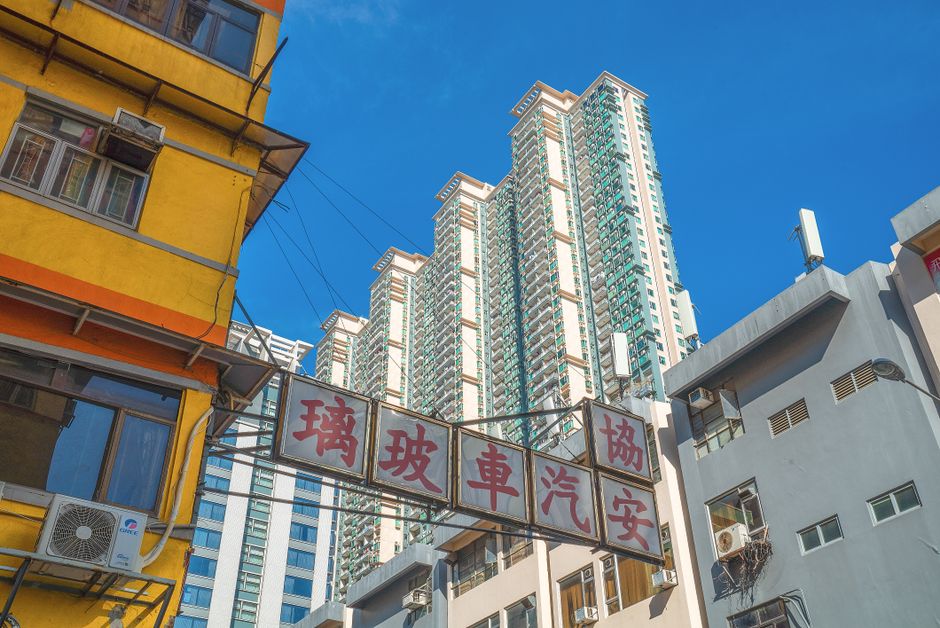
Hong Kong’s residential rental vacancy rate has dipped to just 4.1% in June, the lowest level in nearly two years, according to fresh figures from the Rating and Valuation Department. The tight market has sparked unprecedented competition for rental units from Sai Ying Pun to Tseung Kwan O, placing even greater pressure on renters priced out of homeownership.
The new data lands as hundreds of thousands of flat-hunters jostle for leases on a shrinking pool of suitable flats—the direct result of slow sales turnover, relaxed stamp duty for overseas buyers, and lingering post-pandemic migration. Amid uncertainty about rates and home prices, more locals and newcomers are turning to rental rather than braving the mortgage market. This surge has amplified tenant competition across both mid-tier and affordable neighborhoods, making fast action—and sometimes the willingness to pay over asking—essential for would-be residents.
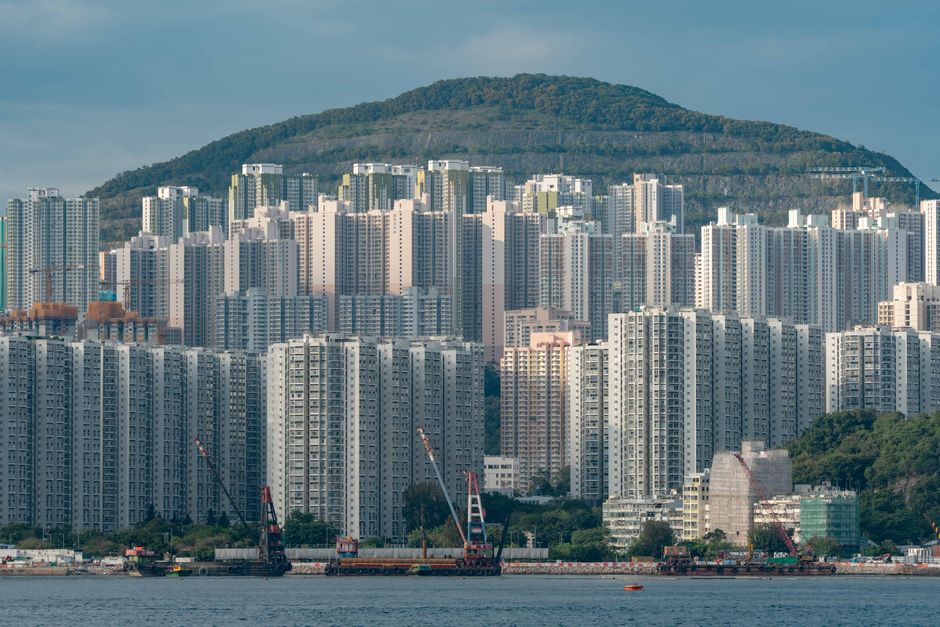
Nowhere is the squeeze more apparent than in key commuter neighborhoods. Estate agents in Tseung Kwan O say viewings at developments like Corinthia by the Park and Ocean Shores have doubled since March, with some landlords receiving multiple offers within days. In Tai Kok Tsui, long a favorite among budget-conscious professionals, smaller units in The Hermitage or Harbour Green rarely linger online for more than 48 hours. Major property management firms including Midland Realty and Centaline Property cite a new wave of interest not just from local families, but also young professionals seeking to avoid crazy commutes or older accommodations in outlying districts.
"We have tenants willing to prepay six months, just to secure a modern flat near the MTR," reported a branch manager from Tai Kok Tsui, who described this year’s market as “cutthroat.” Kowloon hotspots like Mong Kok and Yau Ma Tei—once overlooked by expats—are now clocking steady inquiries from foreigners who balk at the sky-high Peak and Mid-Levels rents but still want central access and new amenities. Even further upmarket neighborhoods, such as Happy Valley and Mid-Levels West, have seen a trickle-down effect, with vacancy rates falling below 5% for most one- and two-bedroom units.
The city’s average monthly rent for a 430-square-foot flat has climbed 6% year-on-year, resting at HK$19,800 in June, according to Centadata Property Research. By comparison, the median sale price for a similar-sized flat hovers between HK$8 million and HK$10 million—well beyond the reach of most median-income earners. The number of available rental listings on major platforms like Spacious and GoHome has shrunk by nearly a third since late 2025. Even the Urban Renewal Authority’s subsidized youth hostel project in Yau Ma Tei, launched with much fanfare last year, currently has a waitlist exceeding two applicants for every available room.
Stamp duty relaxations this spring fuelled a brief uptick in buying from mainland residents and returning Hongkongers, leading some landlords to pull flats off the rental market for sale. However, with mortgage rates holding steady and more owners shy about listing properties at a loss, residential inventory for both sale and rent remains scarce—a recipe for bidding wars and cash upfront offers, particularly in the HK$10,000–30,000 monthly bracket most sought by white-collar tenants.
Would-be renters are advised to review listings daily and act quickly: “Decisions often need to be made within 24 hours,” says a Mong Kok agent. Bringing proof of income, references, and one or even two months’ rent up front has become standard. For those feeling squeezed, newer developments in Lohas Park or eastward towards Hang Hau may offer slightly more choice, though prices continue to edge up there as well.
Industry analysts say vacancy rates could stay low for the rest of 2026, particularly if upcoming public housing completions in Tin Shui Wai and Tuen Mun fail to ease pressure. Until then, tenants across Hong Kong should brace for a market where choice is limited—and competition is only getting tougher.
Property
Property
Property
Property
About this article
Published by The Daily Hong Kong
Spread the word
Daily brief
Free, in your inbox before 7am. Weekdays.
Before you go
The day's Hong Kong news in a 2-minute read. Free, weekday mornings.