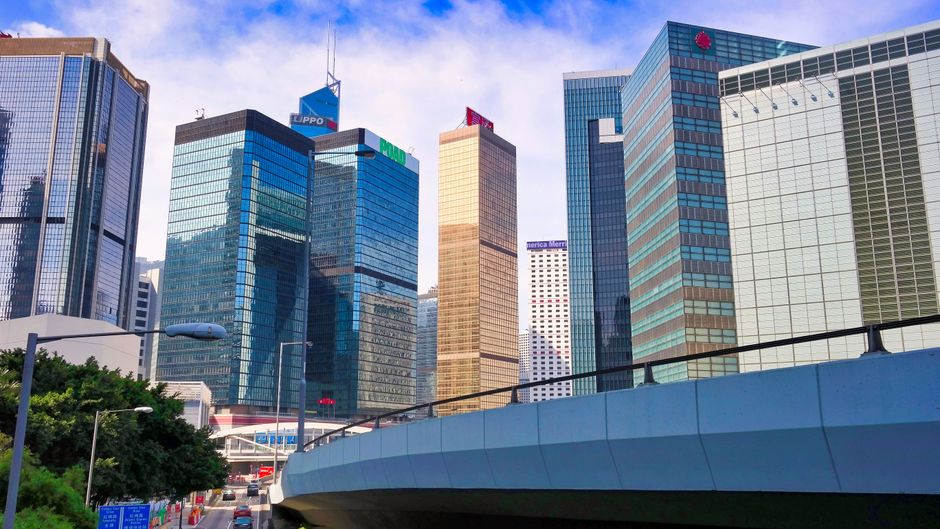
Hong Kong's recruitment landscape has shifted dramatically in the past eighteen months. Walk into any job fair in Central or Admiralty, and you'll hear the same refrain from hiring managers: candidates with AI literacy are commanding premium salaries, while those without are increasingly sidelined from mid-to-senior roles.
The numbers tell a stark story. According to recent surveys of Hong Kong's professional services sector, nearly 60% of mid-sized companies across Central, Wan Chai, and Kowloon Bay have integrated AI tools into daily operations. Yet only 35% of their workforce has received formal training in these systems. This disconnect is creating a two-tier employment market.
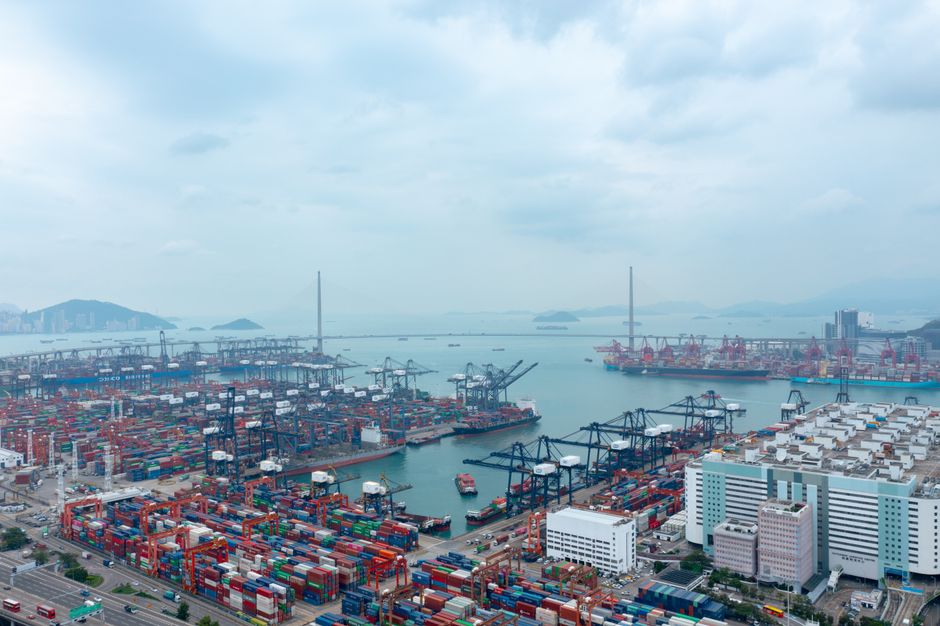
"The jobs aren't disappearing—they're transforming," explains industry observers tracking Hong Kong's tech adoption. Roles in finance, logistics, and professional services aren't being eliminated so much as redefined. A compliance officer in HSBC's Central offices or a logistics coordinator at a Port of Hong Kong-adjacent company now spends less time on routine data entry and more on strategic decision-making that AI can't replicate.
For job seekers, the message is urgent. Entry-level candidates in Causeway Bay and Sheung Wan tech companies report that familiarity with prompt engineering, data interpretation, and AI-assisted workflows has become as baseline as Excel proficiency was a decade ago. Online certifications in generative AI tools now cost between HK$2,000 and HK$8,000—a modest investment compared to salary premiums of 15-25% that AI-competent professionals command.
But technical skills alone aren't sufficient. Hong Kong employers increasingly value what AI cannot replicate: critical thinking, client relationship management, and creative problem-solving. Professionals who position themselves as "AI-augmented" rather than "AI-replaced" are navigating the transition most successfully.
The practical reality: if you're job hunting in Hong Kong right now, omitting AI experience from your resume is like omitting English fluency would have been fifteen years ago. Whether you're eyeing roles in Cyberport, the growing fintech hubs around Central, or traditional multinationals, some exposure to these tools is now table stakes.
Career advisors across Hong Kong increasingly recommend workers invest time in understanding their industry's specific AI applications rather than pursuing generic tech certifications. A marketing professional should understand AI content tools; a finance worker, predictive analytics. This targeted approach proves far more valuable in interviews than generalized knowledge.
The bottom line: Hong Kong's AI transition isn't a threat to skilled workers—it's a sorting mechanism. Those who adapt will thrive. Those who don't will find themselves competing for an ever-shrinking pool of non-AI-integrated roles.
This article was compiled by AI and screened before publishing. See our editorial standards.