For Yvonne Chan, a 34-year-old marketing executive living in Mid-Levels, the shift to digital banking has been quietly revolutionary. Three years ago, she would queue at HSBC branches on Des Voeux Road Central to transfer money to her parents in Shenzhen. Today, she does it via her smartphone in seconds, often at no cost.
"I use fintech apps for almost everything now," Chan says. "My salary arrives instantly via PayMe, I split dinner bills with friends through Tap & Go, and cross-border transfers are seamless." Her experience reflects a broader transformation sweeping through Hong Kong's financial ecosystem.
The shift is measurable. According to the Hong Kong Monetary Authority, digital payment transactions have surged 47% in the past two years. Mobile wallet usage among residents under 45 now exceeds 68%, while traditional cheques—once ubiquitous in this business hub—have plummeted to just 8% of all transactions.
In bustling neighborhoods like Causeway Bay and Mong Kok, the impact is visible everywhere. Convenience stores, dim sum restaurants, and wet markets increasingly display QR codes for instant payments. A bowl of wonton noodles at a stall near Mong Kok MTR station that costs HK$45 can now be paid for by tapping a phone, eliminating the friction of cash transactions entirely.
But the transformation extends beyond convenience. Fintech services are democratizing financial access. Apps like WeLab and ZA Bank offer personal loans and investment products to residents previously shut out by traditional banking's high barriers. A freelancer earning HK$25,000 monthly, who might struggle to secure a bank loan, can now access credit within hours through algorithmic underwriting.
Cross-border functionality has proven particularly valuable. With the Guangdong-Hong Kong-Macau Greater Bay Area integration accelerating, fintech bridges are essential. Apps allowing Hongkongers to pay directly in RMB at Shenzhen retailers, or vice versa, have reduced friction and opened commerce possibilities that seemed distant just five years ago.
However, challenges remain. Cybersecurity concerns linger despite improvements, and elderly residents—a significant demographic in neighborhoods like Stanley and Repulse Bay—remain largely excluded from the digital revolution. The Hong Kong government's push for wider digital ID adoption aims to address this gap.
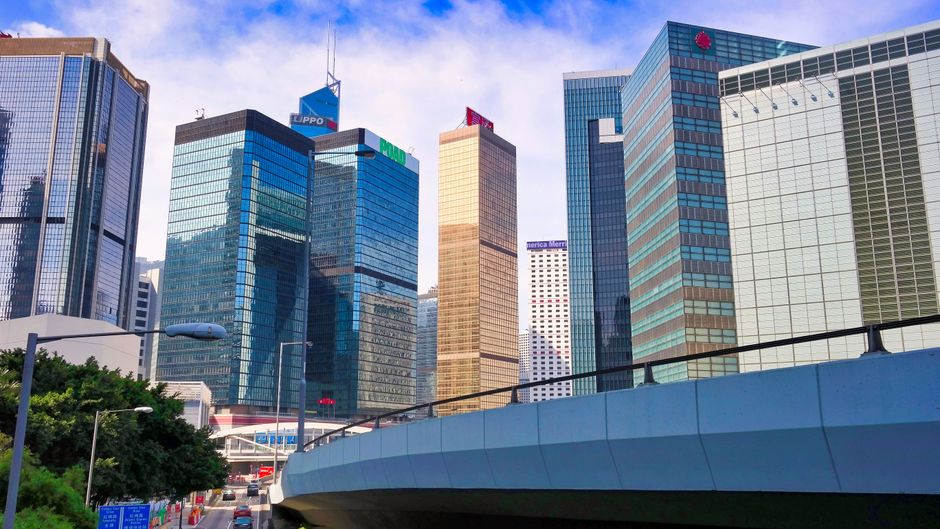
As the city continues positioning itself as Asia's fintech hub, the technology's real victory lies not in skyscrapers housing investment banks, but in the everyday ease it brings to Hongkongers conducting their daily lives—from a student buying coffee in Central to a retiree managing savings from home.
This article was compiled by AI from the sources linked above and screened before publishing. See our editorial standards.