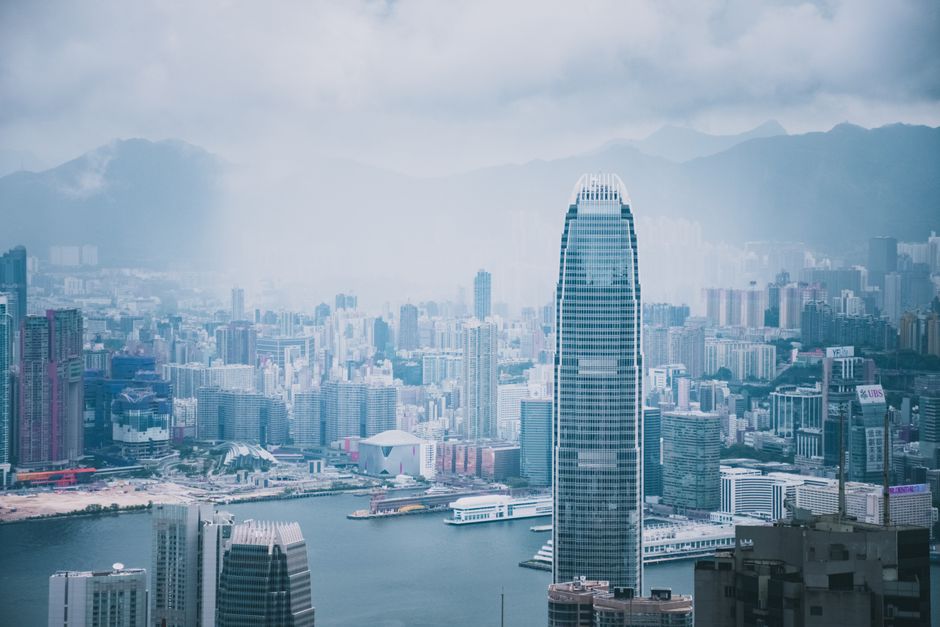
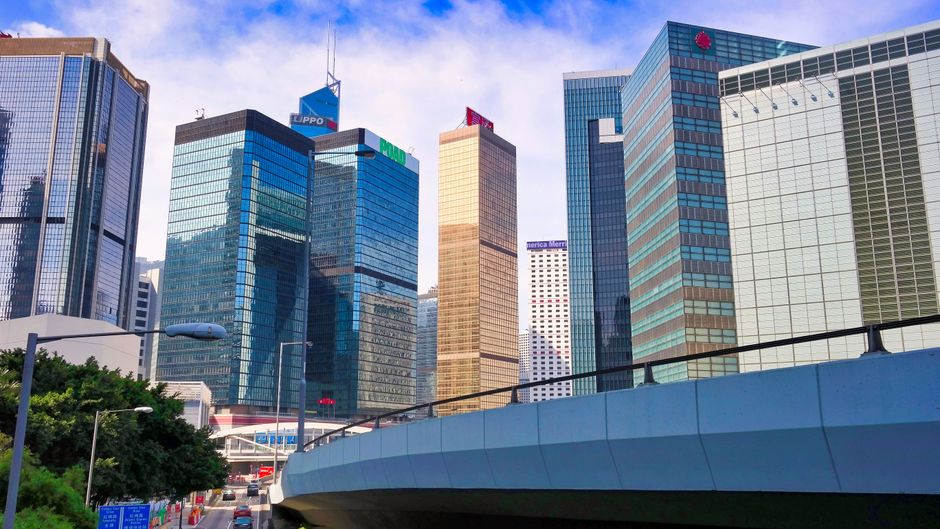
The energy in Hong Kong's tech corridor has shifted palpably over the past eighteen months. Walk through the gleaming office towers of Cyberport in Aberdeen or the converted warehouse spaces around PMQ in Central, and you'll encounter a startup ecosystem increasingly defined by one question: how do we integrate AI?
This isn't the theoretical debate of years past. The shift is operational and urgent. A recent survey by the Hong Kong Information Technology Federation found that 67% of local tech startups launched or substantially pivoted toward AI-powered solutions in the first half of 2026—a marked acceleration from the 41% figure recorded in mid-2024. The catalyst? Competition intensifying from mainland and Southeast Asian rivals, combined with the maturation of large language models that are now accessible even to bootstrapped founders.
The mechanics are visible across Hong Kong's established tech neighborhoods. Startups occupying co-working spaces in Sheung Wan and Mong Kok report that landlords are now explicitly marketing AI-ready infrastructure—high-bandwidth connectivity, GPU-optimized servers—as competitive amenities. Office rental premiums for these spaces in the Central and Western district have climbed roughly 12-15% year-on-year, according to property consultancy Savills Hong Kong.
Venture funding tells a parallel story. The Hong Kong Venture Capital Association reported that AI-focused investments accounted for 43% of total tech VC deals in Q2 2026, compared to 28% two years earlier. While absolute capital deployment remains modest relative to Singapore or Shenzhen, the velocity of dealmaking has accelerated. Seed-stage rounds averaging HK$8-12 million are closing faster, with decision timelines compressed from four months to six weeks.
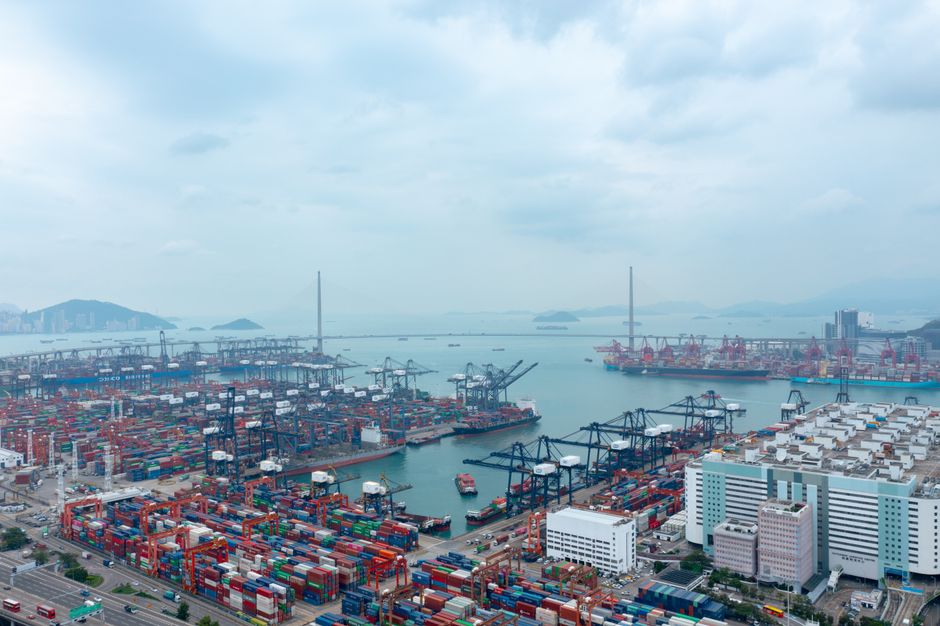
Traditional service sectors are driving unexpected demand. Logistics firms in Kwai Chung are deploying AI for route optimization. Trading desks in Central are retrofitting systems with machine learning models. A boutique law firm in Admiralty quietly embedded an AI research assistant into its practice last quarter—the first of what partners anticipate will become standard.
Yet challenges persist. Talent remains the binding constraint. Senior AI engineers command salaries 20-30% higher in Hong Kong than in equivalent roles in Bangkok or Ho Chi Minh City, yet many still migrate to the San Francisco Bay Area or return to China for opportunities. Regulatory ambiguity around data governance and AI accountability also creates friction for founders seeking institutional backing.
Still, the momentum is undeniable. Hong Kong's startup scene, long characterized as a financing and legal hub overshadowed by deeper technical ecosystems elsewhere, is now genuinely competing on product innovation. For the first time in a decade, homegrown AI ventures are attracting international press attention—and more importantly, international customers.
The question is no longer whether AI matters to Hong Kong's tech future. It is whether local founders can move fast enough to defend their own market.
This article was compiled by AI from the sources linked above and screened before publishing. See our editorial standards.