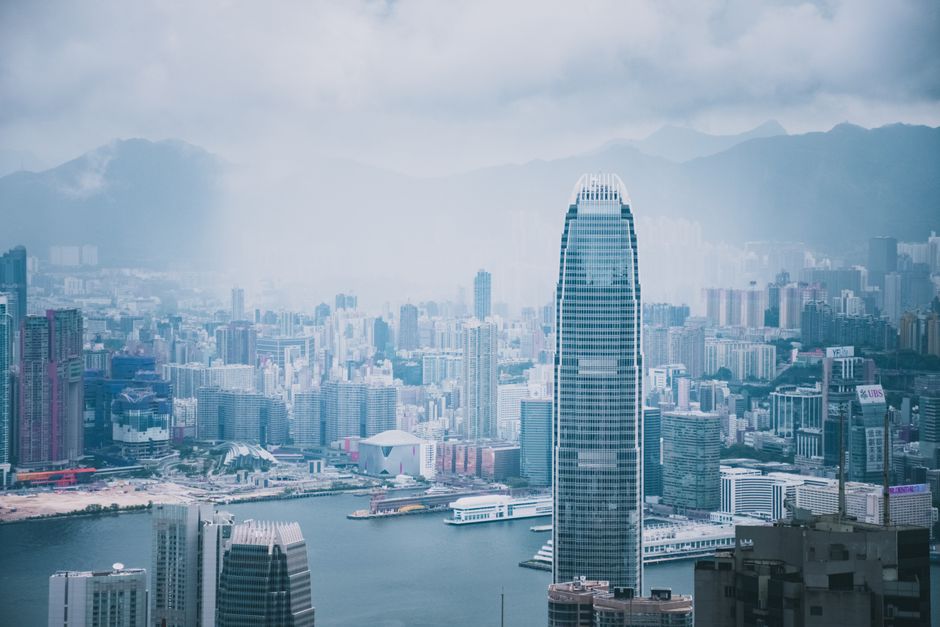
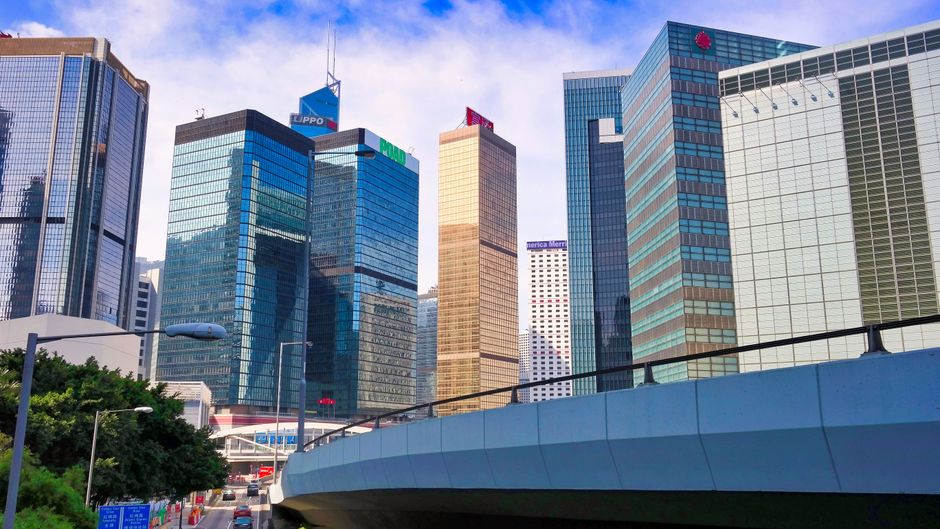
Walk through the gleaming office towers of Central or the startup hubs clustering around Wong Chuk Hang and you'll hear the same refrain: artificial intelligence is reshaping Hong Kong's business landscape. Yet beneath the enthusiasm lies a tangle of challenges that threaten to undermine the technology's promise.
Hong Kong's tech sector—worth an estimated HK$45 billion annually—is betting heavily on AI. Venture capital investment in local AI ventures nearly doubled in 2025, with firms in Causeway Bay, Quarry Bay and the emerging Cyberport precinct racing to integrate large language models, predictive analytics and autonomous systems into everything from finance to logistics. The potential is real: McKinsey estimates AI could boost Hong Kong's productivity by 22 per cent within a decade.
But the risks are equally tangible. Job displacement looms largest. A 2025 Hong Kong Institute of Productivity survey found that nearly 40 per cent of white-collar workers in finance and administration fear automation-driven redundancy. At the same time, transparency remains elusive. Many of the AI systems now screening job applicants or approving credit in Hong Kong operate as opaque black boxes, with no regulatory framework mandating explainability. When an algorithm denies a small business owner financing—as has happened to merchants in Mong Kok and Sham Shui Po—there's often no clear recourse.
Data privacy compounds the anxiety. Hong Kong's Personal Data (Privacy) Ordinance predates modern AI, and enforcement has been patchy. Companies scraping social media and transactional data to train algorithms often operate in grey zones. The Office of the Privacy Commissioner has acknowledged the gap, but guidance remains non-binding.
Then there's the ethical dimension. Which communities benefit from AI-driven efficiency gains? Landlords automating rent collection in subdivided flats see savings; tenants may see further isolation. Hospitals deploying diagnostic AI enjoy faster processing; junior radiologists watch job prospects evaporate.
Industry insiders aren't blind to these tensions. Some firms—particularly larger ones with compliance infrastructure—are exploring AI ethics boards and impact assessments. Yet smaller outfits, desperate to compete, often skip the harder questions. The Hong Kong Computer Society has called for clearer standards, but without statutory backing, adoption remains voluntary.
The window for thoughtful regulation is narrowing. Hong Kong's position as a global financial centre and innovation hub gives it leverage to shape AI governance—potentially setting standards others follow. But that requires moving beyond cheerleading to address the displacement, opacity and equity questions that will define whether AI benefits Hong Kong broadly or concentrates wealth further.
This article was compiled by AI from the sources linked above and screened before publishing. See our editorial standards.