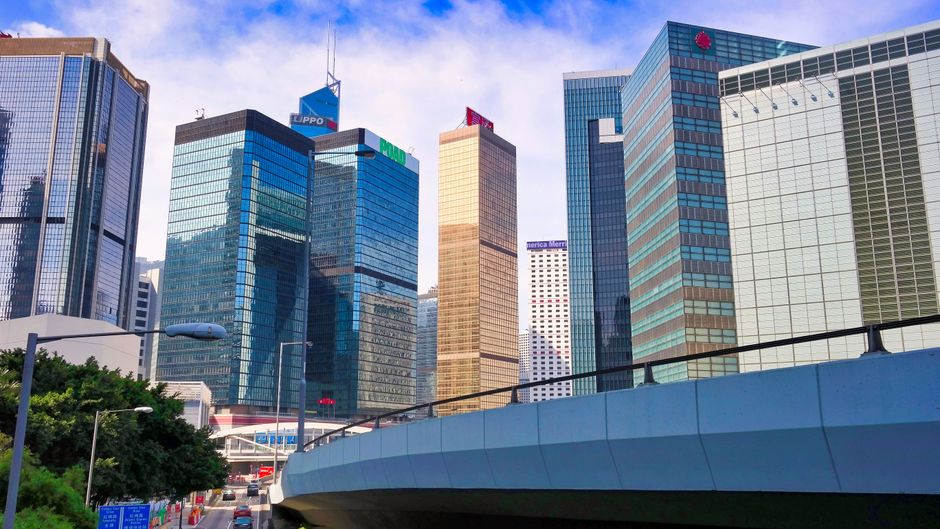
Walk through Central's gleaming office towers or grab coffee in the buzzing co-working spaces of Sheung Wan, and you'll hear an intoxicating narrative: Hong Kong is Asia's next startup powerhouse. The numbers seem to support it. According to recent reports, venture capital investment in Hong Kong startups reached approximately $3.2 billion in 2025, with the city positioning itself as a bridge between Chinese innovation and global markets.
Yet beneath this optimistic surface lies a troubling reality that few in Hong Kong's tech community openly discuss. The pressure to secure funding—particularly from overseas venture firms—has begun warping the ethical foundations of what should be a thriving ecosystem. Young entrepreneurs in Cyberport and the various innovation hubs scattered across Kowloon are increasingly facing uncomfortable choices: compromise on values or risk running out of runway.
One pressing concern centres on where capital originates. As geopolitical tensions simmer, questions about the sources of investment—and the agendas embedded within them—have become harder to ignore. Some venture firms operating out of prestigious addresses on Des Voeux Road have connections to entities with murky governance records. Startup founders report being quietly encouraged to downplay Hong Kong origins in marketing materials, a form of self-censorship that corrodes authentic local identity.
Data privacy represents another minefield. Several well-funded Hong Kong startups have faced backlash for building business models predicated on harvesting user information with minimal consent frameworks—practices that would face regulatory scrutiny in Europe or North America, yet slide past unexamined locally. The rush to scale, fuelled by investor demands for aggressive growth, often treats regulatory compliance as an afterthought rather than a foundational principle.
There's also the matter of equity dilution and founder exploitation. Many early-stage companies working out of cramped offices in Wong Chuk Hang or Mong Kok report experiencing aggressive term sheets from investors, with founders ending up with minimal stake in their own creations after multiple rounds. Without robust local mentorship networks to advise them, young entrepreneurs often capitulate to unfavourable conditions simply to stay alive.
The ecosystem's most troubling aspect may be its short-termism. Venture capital's inherent focus on rapid returns has created a culture where sustainable, community-focused innovation takes a backseat to whatever trend promises the quickest exit. Real solutions to Hong Kong's urban challenges—affordable housing tech, environmental monitoring, healthcare innovation—struggle for funding because they lack the explosive growth profile venture capitalists demand.
Hong Kong's startup community needn't abandon ambition. But it must begin asking harder questions about the capital flowing into its veins, the ethics embedded in its business models, and whether chasing valuations is worth the cost to collective integrity.
This article was compiled by AI and screened before publishing. See our editorial standards.