From Commute to Convenience: How Remote Work Technology Is Reshaping Daily Life for Hong Kong Residents
As coworking spaces proliferate across the city, thousands of Hongkongers are reclaiming hours once lost to the MTR crush, transforming their routines and neighbourhoods in the process.
This article was generated by AI from the linked public sources. The Daily Hong Kong is independently owned and covers Hong Kong news free from advertiser or sponsor influence. Read our editorial standards →
Six years ago, a commute from Tseung Kwan O to Central could easily consume two hours of a Hongkonger's day. Today, for an increasing number of professionals, that journey has been reduced to a fifteen-minute walk to a neighbourhood coworking hub—fundamentally altering how residents experience their city and spend their time.
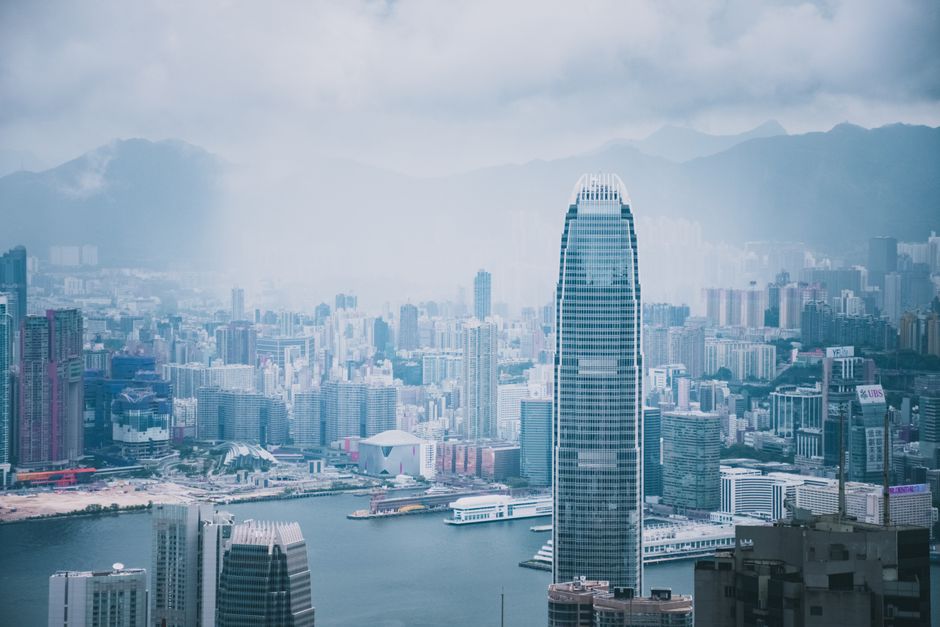
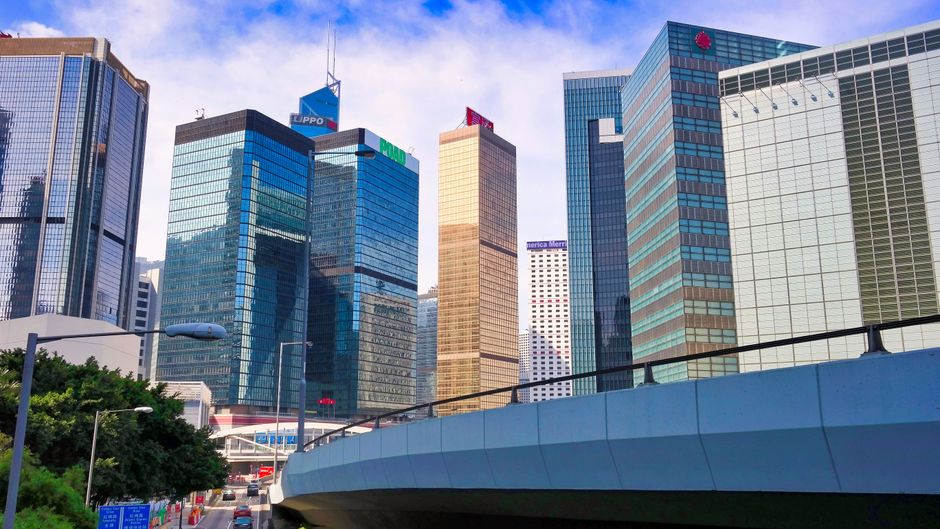
The shift is visible across Hong Kong's skyline. Coworking operators have expanded aggressively into secondary districts that were once considered peripheral to the business landscape. WeWork, Regus, and homegrown players like The Great Room now operate facilities in Causeway Bay, Quarry Bay, and Sheung Wan, with membership fees ranging from HK$3,500 to HK$8,000 monthly for dedicated desks. More significantly, micro-coworking spaces and serviced offices have sprouted in residential neighbourhoods from Chai Wan to Tin Shui Wai, making remote-first work genuinely accessible beyond the Central corridor.
The impact on daily life has been measurable. A 2025 survey by the Hong Kong Institute of Human Resource Management found that 41 per cent of knowledge workers now work remotely at least three days weekly, a figure that has nearly doubled since 2022. For residents, this has translated into unexpected gains: parents can drop children at school before settling into a local workspace, avoiding the notorious 8:30am MTR bottleneck. Lunch breaks increasingly happen at neighbourhood restaurants rather than crowded food courts, quietly revitalising local commerce in areas like Kennedy Town and Sai Ying Pun.
The technology enabling this shift—cloud collaboration tools, high-speed broadband, and sophisticated security infrastructure—has become so seamless that its presence is almost invisible. Yet its social consequences are profound. Commuting time has declined by an average of 40 minutes daily for remote-capable workers, according to transport data. That reclaimed time is being invested in hobbies, family, and local community engagement rather than evaporating into transit.
Not everyone celebrates the trend. Traditional office districts worry about footfall decline, and some worry about overwork when home and workplace blur. Yet coworking operators report sustained demand, suggesting that for many Hongkongers, the technology has genuinely improved quality of life by restoring a measure of control over their time and geography.
As firms grapple with hybrid policies and workers negotiate flexibility, Hong Kong's neighbourhoods are quietly rebalancing. The future of work here is not about abandoning offices entirely—it's about distributing them, making professional life less dependent on a single commute, and allowing residents to reclaim the hours once spent getting to Central.
This article was compiled by AI from the sources linked above and screened before publishing. See our editorial standards.
Covering tech in Hong Kong. This article was generated by AI from the linked sources and was not reviewed by a human editor before publishing. See our editorial standards.