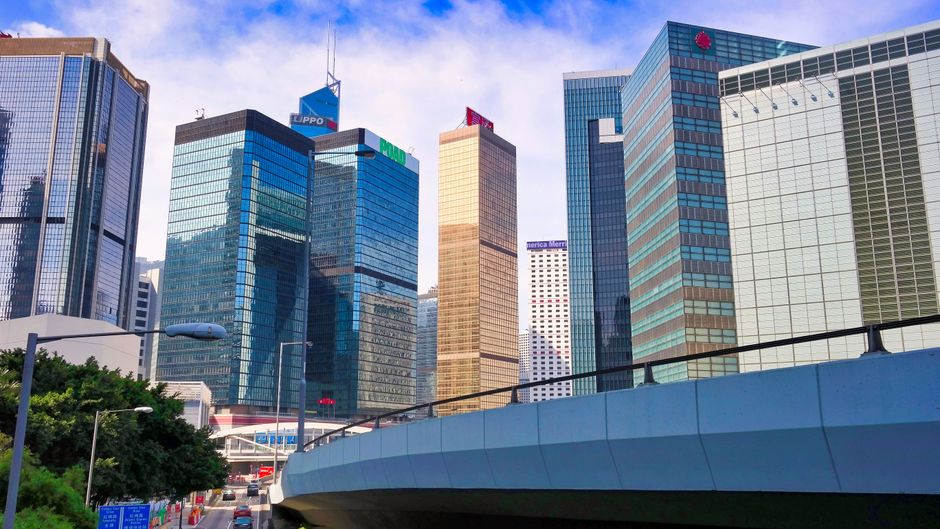
Hong Kong's fintech ecosystem is at an inflection point. With over 600 licensed financial institutions and a growing roster of digital banks operating from Central and beyond, industry leaders are unveiling product roadmaps that promise to reshape how the city's 7.5 million residents—and regional customers—move and manage money.
The convergence of artificial intelligence, regulatory maturity, and regional appetite is driving three major development trajectories. First: AI-driven wealth advisory. Multiple players incubating in Cyberport and the Central business district are preparing hyper-personalized investment platforms that parse individual financial behaviour, estate planning needs, and intergenerational wealth transfer. Expect commercial launches by Q3 2027, with entry-level account minimums pitched at HK$100,000 rather than the traditional HK$500,000 threshold.
Second: embedded finance is reshaping the transaction layer. Rather than forcing users to switch between shopping apps and banking apps, fintech teams are embedding payment and lending directly into e-commerce and lifestyle platforms. Hong Kong's unique position as a bridge between mainland China and global markets is accelerating this shift, with several firms building infrastructure to settle transactions in multiple currencies within seconds—critical for the estimated 2 million cross-border workers commuting between the SAR and Shenzhen daily.
Third: institutional-grade blockchain infrastructure. While retail cryptocurrency adoption remains modest in Hong Kong, enterprises are quietly deploying tokenized settlement networks. Conversations with fintech leaders in Sheung Wan suggest that by end-2027, several tier-one companies will have moved portions of their regional treasury operations onto permissioned blockchains, reducing settlement times from T+2 to near-instantaneous.
Regulatory clarity from the Hong Kong Monetary Authority (HKMA) is accelerating this calendar. The authority's fintech facilitation office, nestled in the business district, has been methodical in issuing guidance on algorithmic trading, stablecoin issuance, and open banking standards. This measured approach—neither Silicon Valley's move-fast-and-break-things nor Beijing's heavy-handed control—has attracted engineering talent to hubs like Cyberport and PMQ in Central.
Cost pressures remain. A junior fintech engineer in Wan Chai commands HK$35,000–HK$45,000 monthly, undercutting New York but exceeding Shanghai. Several firms are expanding engineering operations in nearby Southeast Asian hubs to manage burn rates while keeping product leadership on the ground in Hong Kong.
The message from board rooms across the city is consistent: 2027 will be the year fintech stops being a novelty and becomes the default plumbing of Hong Kong's financial system. The roadmaps are aggressive, the talent is hungry, and the regulatory runway is clear.
This article was compiled by AI from the sources linked above and screened before publishing. See our editorial standards.