Hong Kong's fintech ecosystem, already worth an estimated US$1.8 billion in venture funding last year, is entering a critical inflection point. By 2027-2028, industry insiders say the next generation of financial products will fundamentally reshape how residents and businesses conduct transactions—from AI-driven wealth management to blockchain-based trade finance.
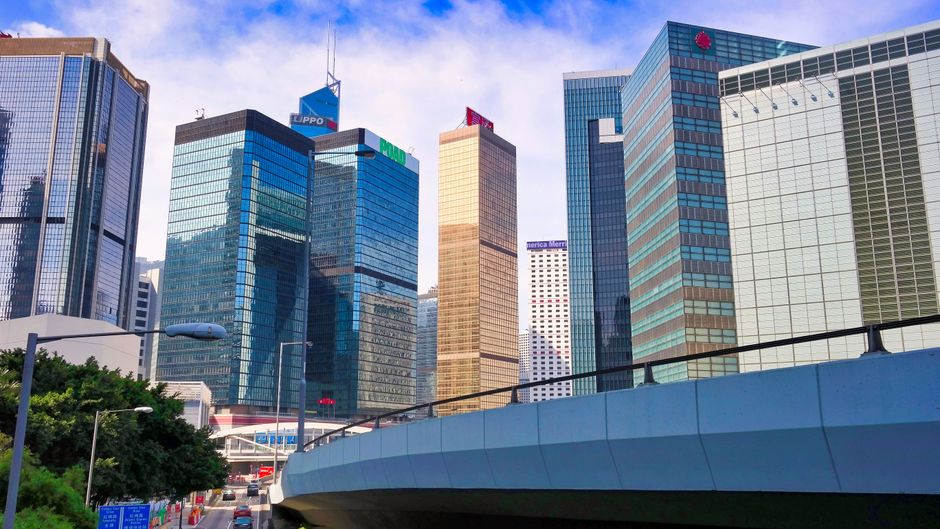
The momentum is visible across the city's tech hubs. In Central, where major digital banking operations cluster near Statue Square, development teams are quietly building the infrastructure for what several fintech leaders have described in industry forums as "conversational banking"—platforms where customers manage accounts, apply for loans, and receive investment advice entirely through natural language interfaces.
"We're moving beyond simple mobile apps," explains the fintech landscape according to recent Hong Kong Monetary Authority consultations. The HKMA, based in the Central banking district, has signalled approval for expanded use of artificial intelligence in credit decisioning, potentially cutting loan approval times from days to hours for qualified borrowers.
Payment innovation remains a cornerstone. While the Faster Payment System (FPS) processed HK$11.3 trillion in transactions last year, the next roadmap includes real-time international remittances at near-zero cost—critical for Hong Kong's 1.3 million migrant workers. Several licensed virtual banks operating from Quarry Bay tech offices are beta-testing cross-border corridors targeting Southeast Asia and South Asia.
Perhaps more intriguingly, Hong Kong's digital asset ecosystem is preparing major upgrades. Following regulatory clarification from the Securities and Futures Commission, multiple platforms expect to launch tokenised bonds and equity offerings by late 2027. These instruments, tradeable on blockchain networks, could democratise investment access—historically concentrated among high-net-worth individuals in Mid-Levels and the Peak.
Insurance technology represents another frontier. Parametric insurance products—where claims pay automatically when specific conditions are triggered—are entering beta phases. This matters for Hong Kong's typhoon-prone economy and its small-business sector.
Challenges remain. Talent acquisition in a competitive regional market, cybersecurity standards for AI systems, and cross-border regulatory harmonisation all require solutions. Yet the convergence is unmistakable: fintech has moved from experimental to essential infrastructure.
Over the next 18 months, expect announcements from both established banks with innovation labs and leaner digital-native competitors. Hong Kong's position as a global financial centre increasingly depends not on preserving legacy systems, but on moving fastest toward what comes next.
This article was compiled by AI from the sources linked above and screened before publishing. See our editorial standards.