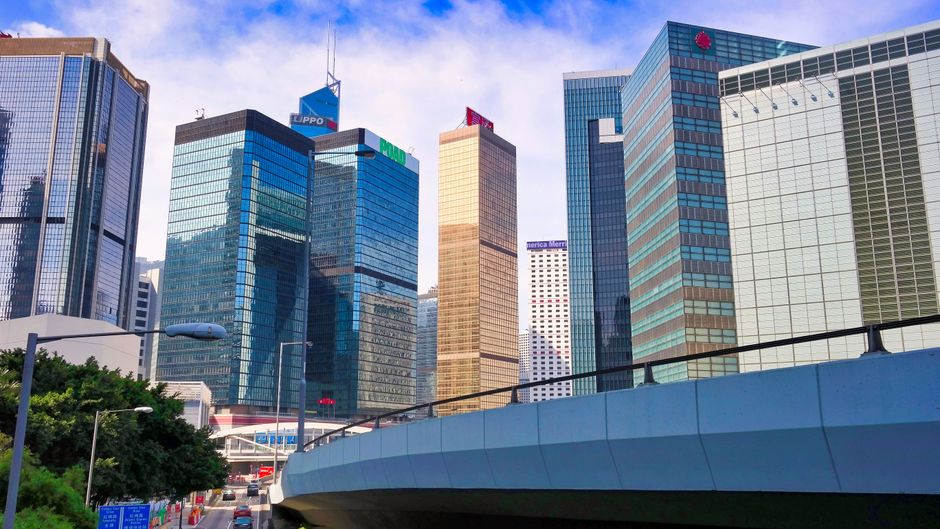
Walk down Causeway Bay's packed shopping strips or through the gleaming corridors of Central's office towers, and you'll notice something striking: fewer people are reaching for cash. The transformation is real, and it's happening faster than most realise.
Hong Kong's fintech revolution has moved beyond venture-backed startups and into the fabric of everyday life. Mobile wallets now account for nearly 40% of retail payments across the city, according to Hong Kong Monetary Authority data, up from just 12% five years ago. For commuters swiping their phones on MTR turnstiles or grabbing lunch at a Causeway Bay café, fintech isn't a buzzword—it's simply how things work.
"The shift has been remarkable," notes the broader financial services landscape. Young professionals in Wan Chai are increasingly using buy-now-pay-later platforms for everything from designer bags to electronics, spreading payments across four interest-free instalments. Meanwhile, residents in Sham Shui Po and older neighbourhoods have embraced government-backed digital payment schemes that offer cashback incentives, making the switch from coins and notes feel rewarding rather than forced.
The real game-changer is accessibility. Traditional banking—with its queues at Des Voeux Road Central branches and minimum account requirements—is becoming optional. Apps now let residents open investment accounts during their lunch break, trade stocks with commission-free transactions, and receive automated financial advice powered by artificial intelligence. A 28-year-old office worker in Sheung Wan can now build a diversified portfolio without ever speaking to a banker.
Insurance is transforming too. Micro-insurance products sold through fintech platforms—covering everything from travel delays to phone damage—are filling gaps that traditional policies ignored. A 15-minute signup process has replaced the old bureaucratic nightmare.
But not everyone has moved at the same pace. Elderly residents in districts like North Point and Kwun Tong still prefer physical branches and cash transactions, creating a two-speed financial system. Banks are struggling to balance investment in digital infrastructure with maintaining physical networks for communities still dependent on face-to-face banking.
The Hong Kong government, through its ongoing Fintech Supervisory Sandbox and strategic investments in digital infrastructure, continues positioning the city as a regional fintech hub. Yet for most residents, the real story isn't policy or technology—it's simpler. Money management has become faster, cheaper, and more transparent. That's not just convenient; it's changing how Hong Kong thinks about financial life itself.
This article was compiled by AI from the sources linked above and screened before publishing. See our editorial standards.