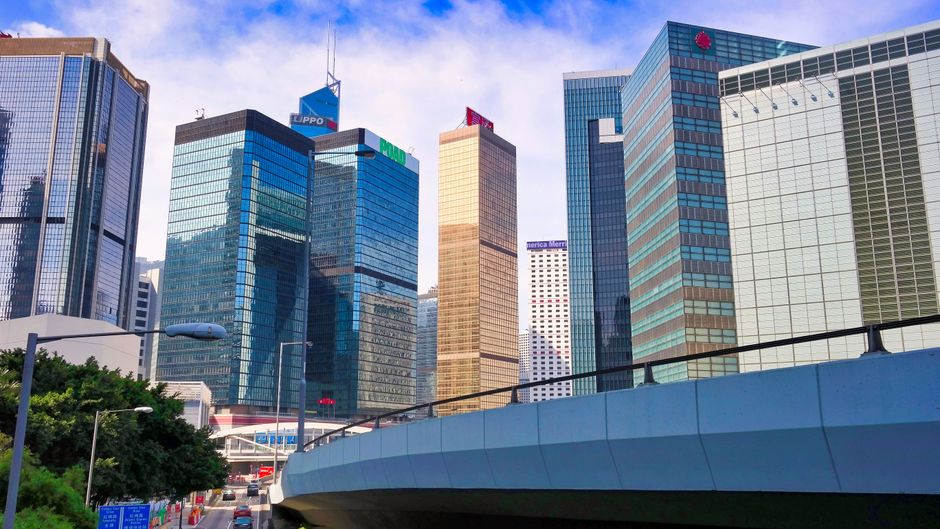
Walk through Central's gleaming office towers or venture into the startup-packed corridors of Cyberport in Aberdeen, and you'll notice something distinctive about Hong Kong's approach to smart city development: it moves at venture-capital speed within a government framework.
Unlike Silicon Valley's disruption-first ethos or Singapore's top-down smart nation mandates, Hong Kong has carved a middle path. The city's digital transformation strategy leverages its position as a financial hub with direct access to mainland Chinese markets while maintaining regulatory flexibility that attracts both Western and Asian tech talent.
Consider the numbers. Hong Kong hosts over 3,800 tech startups as of 2026, with venture funding exceeding $8 billion last year—remarkable for a city of 7.5 million. More significantly, the average VC deal size here ($2.3 million) sits between Silicon Valley's mega-rounds and Southeast Asia's smaller bets, creating a unique middle market for scale-up companies testing cross-border solutions.
The government's role differs markedly from Western counterparts. Rather than imposing strict tech mandates, Hong Kong's Innovation and Technology Bureau has adopted what observers call "regulatory sandbox" approaches. The Monetary Authority's fintech sandbox, launched over a decade ago, became a template that other Asian regulators copied. Today, that model extends to autonomous delivery systems in Sheung Wan and smart traffic management pilots across Causeway Bay.
Infrastructure interconnection proves crucial. The Greater Bay Area initiative links Hong Kong's digital systems with Shenzhen, Guangzhou, and Macau—creating the world's largest unified tech marketplace by population. A logistics startup in Wan Chai can test algorithms across four jurisdictions simultaneously, something impossible in compartmentalized Western cities.
Yet challenges persist. Data privacy frameworks still lag behind Europe's GDPR standards, and talent acquisition increasingly competes with mainland Chinese tech giants offering higher salaries. The brain drain of engineering talent to Beijing and Shanghai remains a structural concern for local entrepreneurs.
Still, Hong Kong's ecosystem shows resilience. Universities like HKUST and HKU produce world-class AI researchers, while government initiatives like the $500 million AI and Robotics Lab at ASTRI anchor deep-tech development. The city's position as a literal and digital bridge—between East and West, between startup speed and institutional capital—remains genuinely difficult to replicate.
As cities worldwide grapple with smart infrastructure, Hong Kong's real advantage isn't flashy technology. It's the permissive culture that lets multiple systems compete, collaborate, and cross-pollinate across borders.
This article was compiled by AI from the sources linked above and screened before publishing. See our editorial standards.