Hong Kong's clean energy sector is entering a critical inflection point. While the city currently sources roughly 50% of its electricity from coal-fired plants in Guangdong, the next wave of green technology deployments—from floating solar farms to next-generation battery systems—promises to fundamentally alter this equation by 2031.
The Hong Kong Science and Technology Parks Corporation, anchored in Sha Tin, has earmarked significant resources for companies developing hydrogen fuel cell applications and advanced energy storage solutions. Several startups operating from the parks' innovation hubs are racing to commercialise solid-state battery technology that could extend electric vehicle range beyond current limitations, addressing a key pain point for Hong Kong's growing EV adoption rate, which hit 14% of new vehicle registrations last year.
Perhaps most intriguingly, the offshore wind sector is accelerating. The government's commitment to deploying 10 gigawatts of renewable energy capacity by 2050 has triggered intense competition among developers eyeing waters near the South China Sea. Multiple international consortiums are preparing tender bids for seabed leases, with installations expected to commence in 2027.
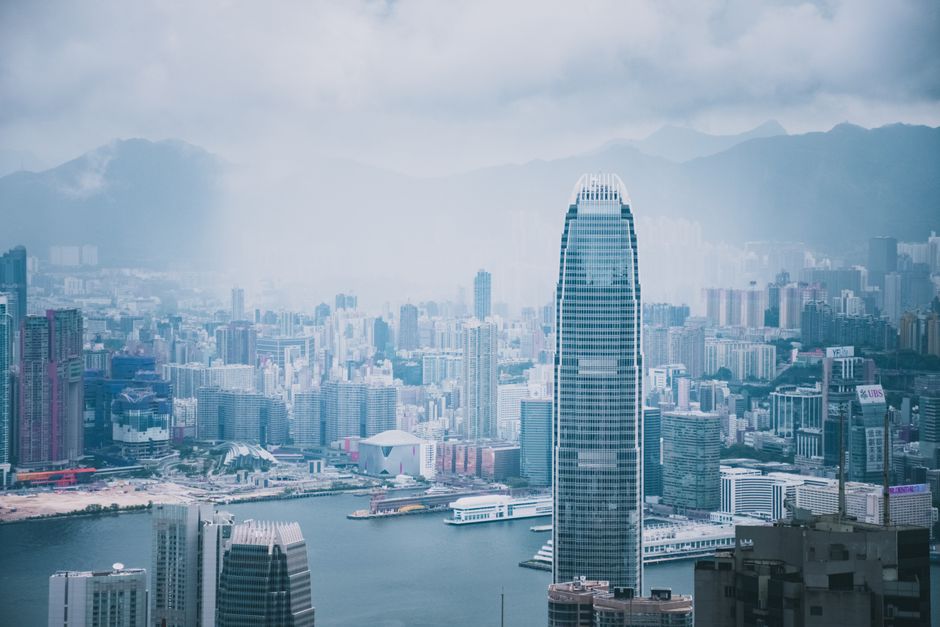
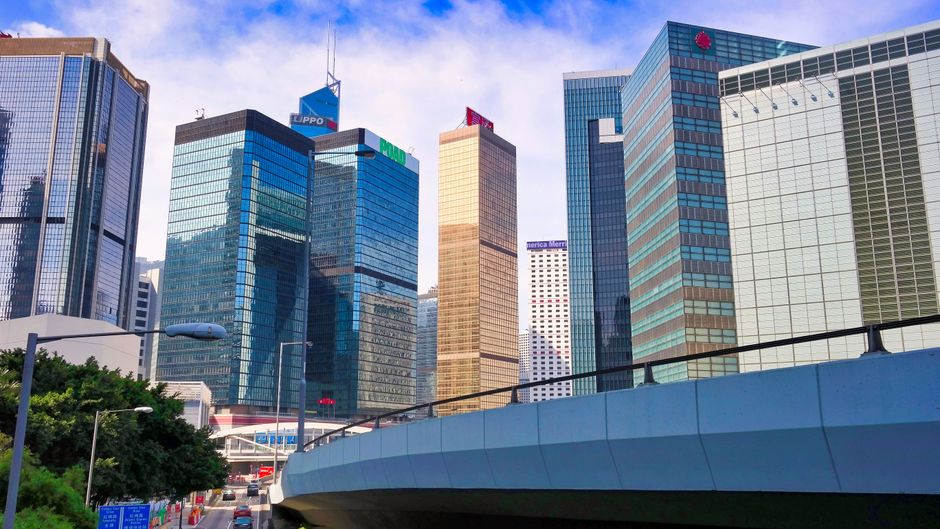
Within the urban fabric itself, green building retrofitting is gaining momentum. The MTR Corporation and major property developers in Central and Kowloon are piloting AI-powered building management systems that optimise energy consumption across office towers. Early data from trial installations suggests 15-20% reductions in baseline energy use—significant given that buildings account for roughly 90% of Hong Kong's electricity consumption.
Solar technology, too, is evolving rapidly. Thin-film photovoltaic systems capable of integration into window glass are being tested on several commercial properties in Causeway Bay and Admiralty. These semi-transparent modules could generate power while maintaining transparency—a game-changer for Hong Kong's dense urban environment where rooftop space remains scarce.
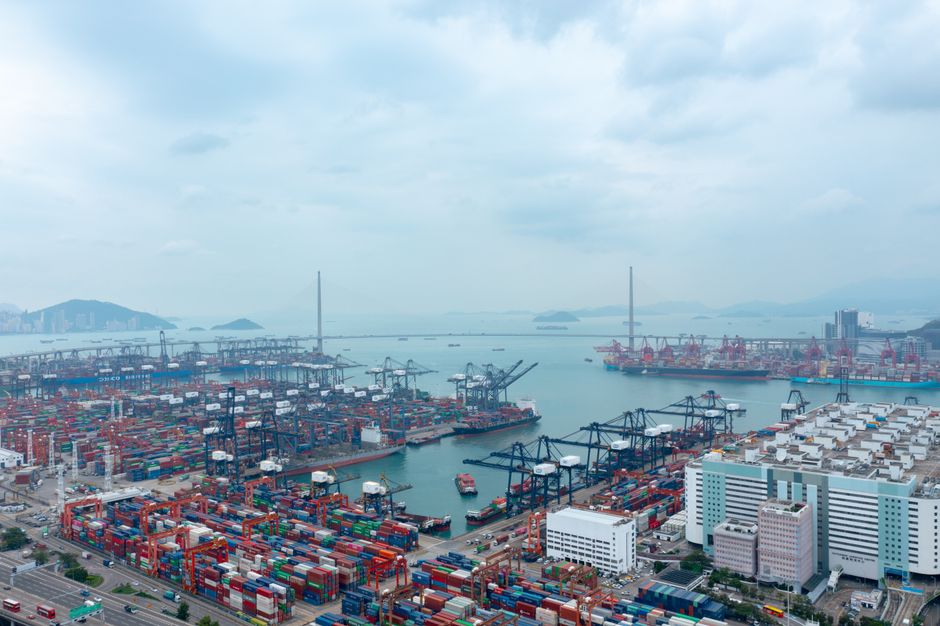
The Port Authority is also exploring electrification of container terminal operations, with plans to deploy battery-electric heavy-duty vehicles alongside hydrogen fuel cell alternatives. This matters considerably: maritime transport accounts for a substantial portion of the city's emissions profile.
Industry analysts caution that deployment speed will hinge on regulatory clarity and grid infrastructure investment. The government's ongoing consultation on expanding the electricity grid's capacity to absorb distributed renewable sources will prove pivotal. Success here could position Hong Kong as a blueprint for green energy transition in Asia's densest urban zones.
By 2030, if current trajectories hold, clean energy technologies currently in labs and pilot programmes across Sha Tin and beyond should constitute meaningful portions of the city's energy mix—reshaping not just how Hong Kong powers itself, but its economic identity in a carbon-conscious world.
This article was compiled by AI from the sources linked above and screened before publishing. See our editorial standards.